
Campine Coal and the Hunger of Year One
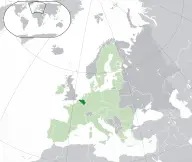
A year after the invasion, hunger is ravaging occupied Belgium. The rations are insufficient for underground work, wages have been frozen since May 1940, and prices are soaring; the black market remains out of reach for workers. Campine coal, meanwhile, is vital to the German war machine.
On 10 May 1941, the anniversary of the invasion, a movement that began in the Liège metalworking industry spreads to the mining basins. In Limburg, the miners hesitate: any halt to production is forbidden by the occupier and exposes those involved to the war tribunal, prison, or even deportation.
Feeding one's family means keeping one's job and wages. But without bread or potatoes, working underground becomes impossible. What should they do with their only weapon: the coal that Germany needs?
May 1941, you are a coal miner in the Campine basin, starving and your wages frozen: how do you react down the pit?
The miners of the Campine stop working and join en masse the strike spreading across the basins, demanding bread and wages. The movement, known as the "Strike of the 100,000," mobilizes at its peak around 70,000 workers in the Walloon and Campine basins between 10 and 18 May 1941. To break the movement, the occupier concedes a general wage increase of 8 percent — the only general increase of the entire occupation — along with additional rations and allowances. Repression follows nonetheless: in the summer of 1941, after the invasion of the USSR, waves of arrests strike strikers and communist militants, imprisoned notably at the citadel of Huy and then deported (a convoy departs for Sachsenhausen on 23 July 1941).
Learn more about this event
Related polls
10
British rationing put to the test in 1941
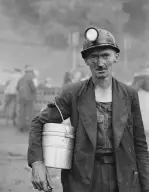
At the Dahomey pit, the morning of team-rate pay
Jobless worker: take work from the occupier?
The apothecary of the Kraków Ghetto
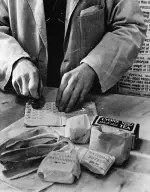
British Clothes Rationing
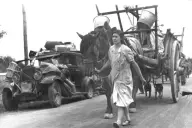
The Repatriation of the Refugees
Feeding a Family Under Rationing
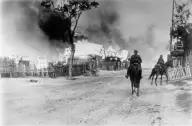
Before the enemy: the kolkhoz farm
Barred from School in the Warsaw Ghetto
Warsaw Ghetto Teachers and the Ban
British rationing put to the test in 1941
At the Dahomey pit, the morning of team-rate pay
Jobless worker: take work from the occupier?
The apothecary of the Kraków Ghetto
British Clothes Rationing
The Repatriation of the Refugees
Feeding a Family Under Rationing
Before the enemy: the kolkhoz farm
Barred from School in the Warsaw Ghetto
Warsaw Ghetto Teachers and the Ban
T07-047