
Kiev, 29 September 1941: The Posted Notice
Kiev fell on 19 September 1941. 5 days later, Soviet mines left behind by the NKVD blew apart the Khreshchatyk district where the German staff had installed itself; the fire ravaged the city centre. The occupier used it as a pretext.
On 28 September, notices are posted throughout the city: all Jews must report the next day at 8 a.m. near the cemetery, at the corner of Melnyk and Dehtiarivska streets, bringing their papers, their money, valuables and warm clothing. Rumour speaks of a "resettlement" to the east. To disobey is punishable by death; the city is sealed, the front lies far behind the German lines, and hiding requires forged papers and the help of non-Jewish neighbours.
To a family, the order seems to offer no way out: the summons resembles a labour deportation, like those known elsewhere.
Occupied Kyiv, 29 September 1941, you are a Jewish family summoned to the assembly: how should you respond to the German order?
The overwhelming majority reported, believing in a transfer. On 29 and 30 September 1941, (, under ), with auxiliaries, led the columns to the ravine of Babi Yar and shot 33,771 people there in 2 days — one of the largest single massacres of the Holocaust. The few who hid or fled, often with help, made up the small minority of survivors. Babi Yar remained a place of execution throughout the occupation: the dead there are estimated at 100,000 to 150,000.
Learn more about this event
Related polls
10
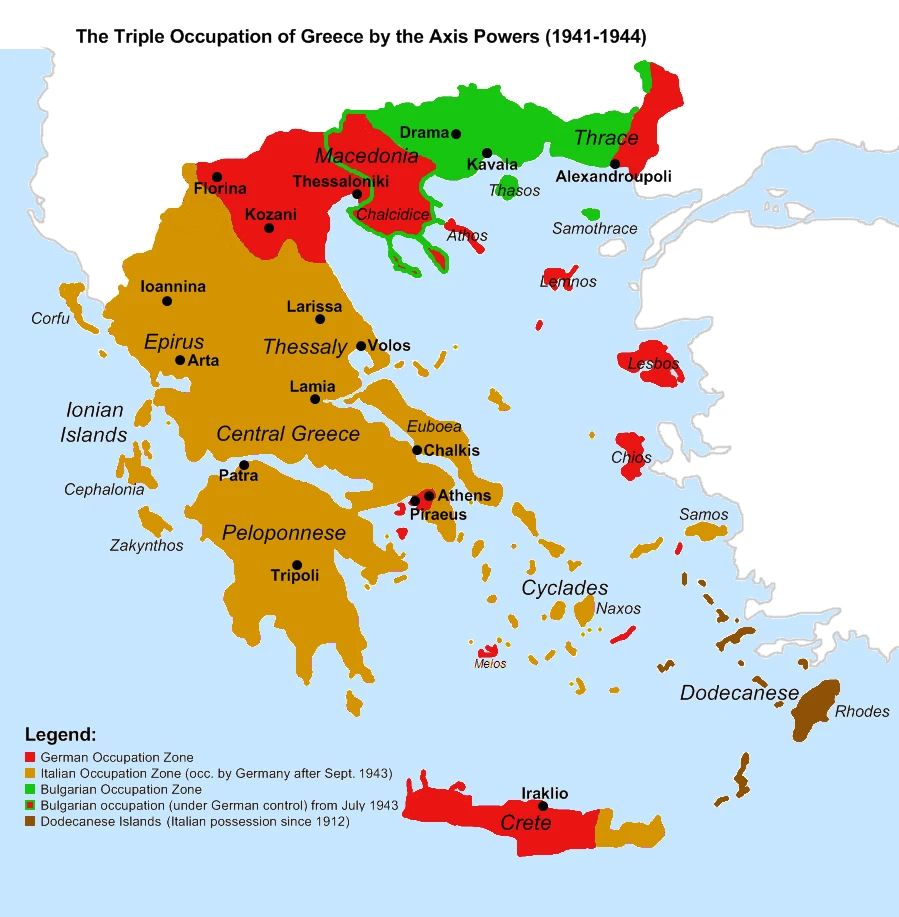
Athens, the Winter of Hunger
Czerniaków — the offer of the Judenrat
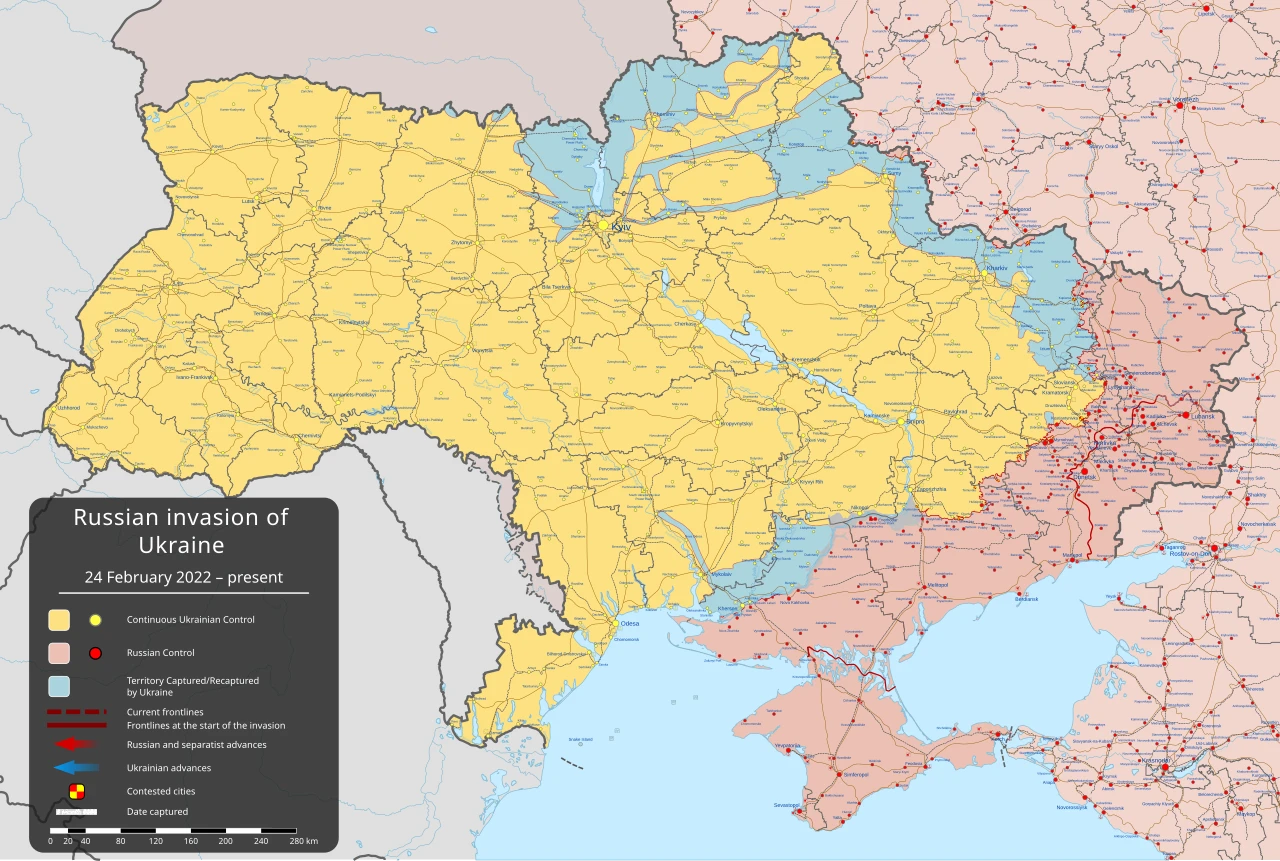
Hilfswillige: Survival or Refusal in the Transit Camp
Odessa: After the Explosion of the Romanian Headquarters
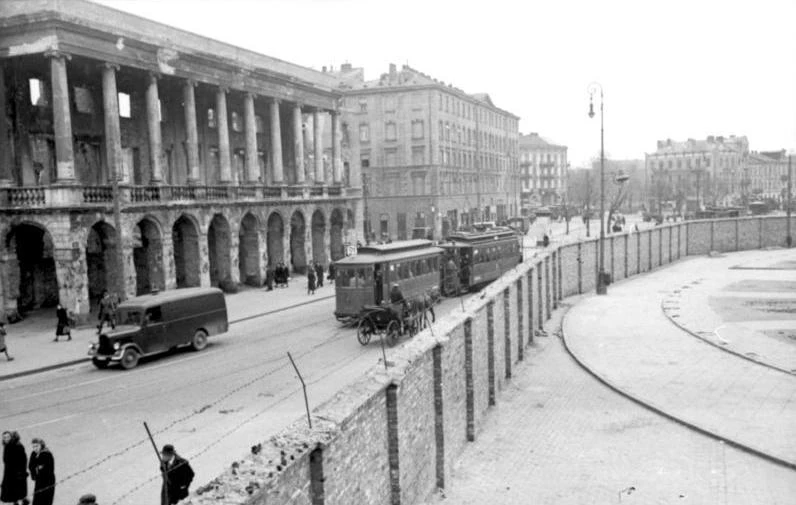
Barred from School in the Warsaw Ghetto
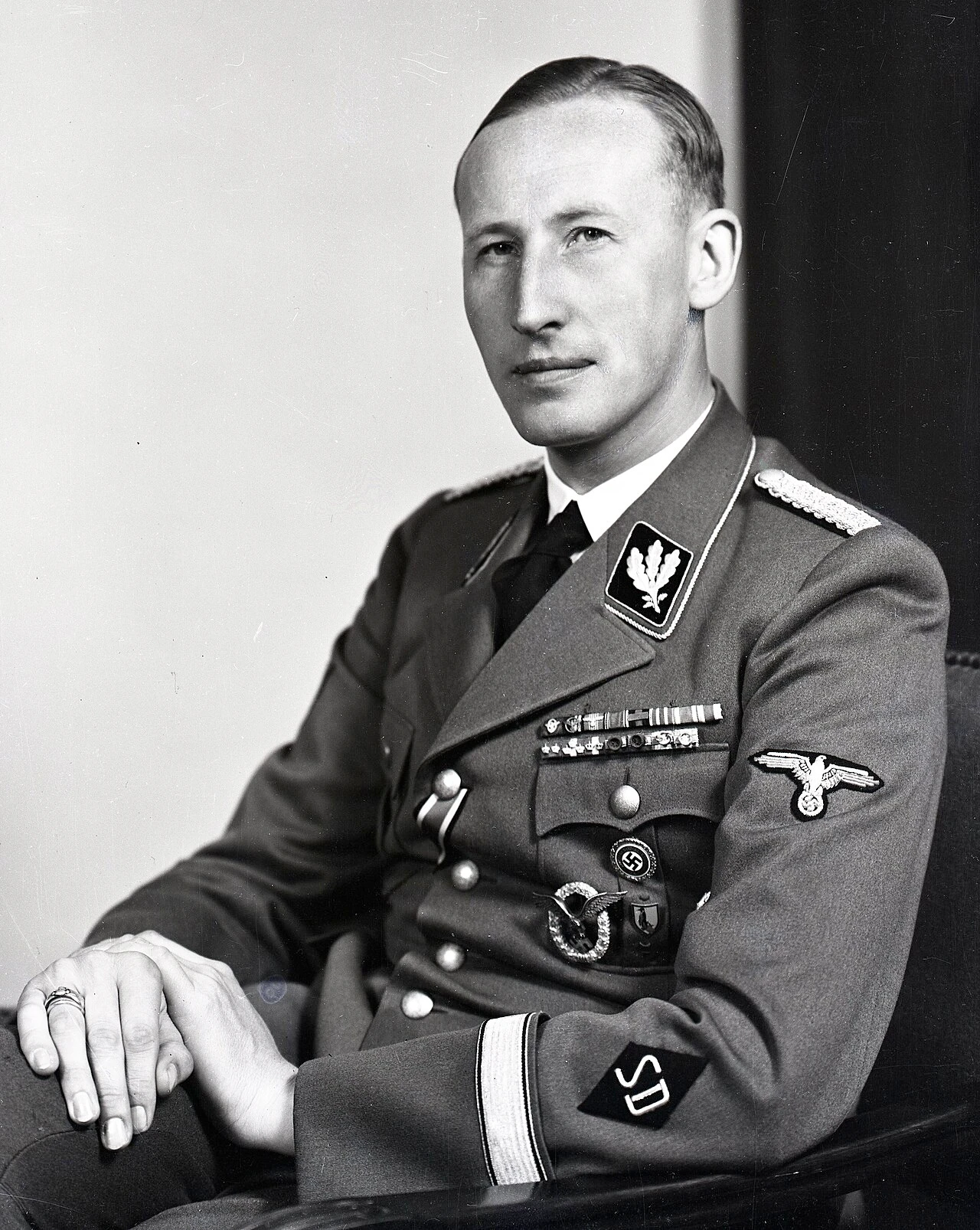
Heydrich Arrives in Prague
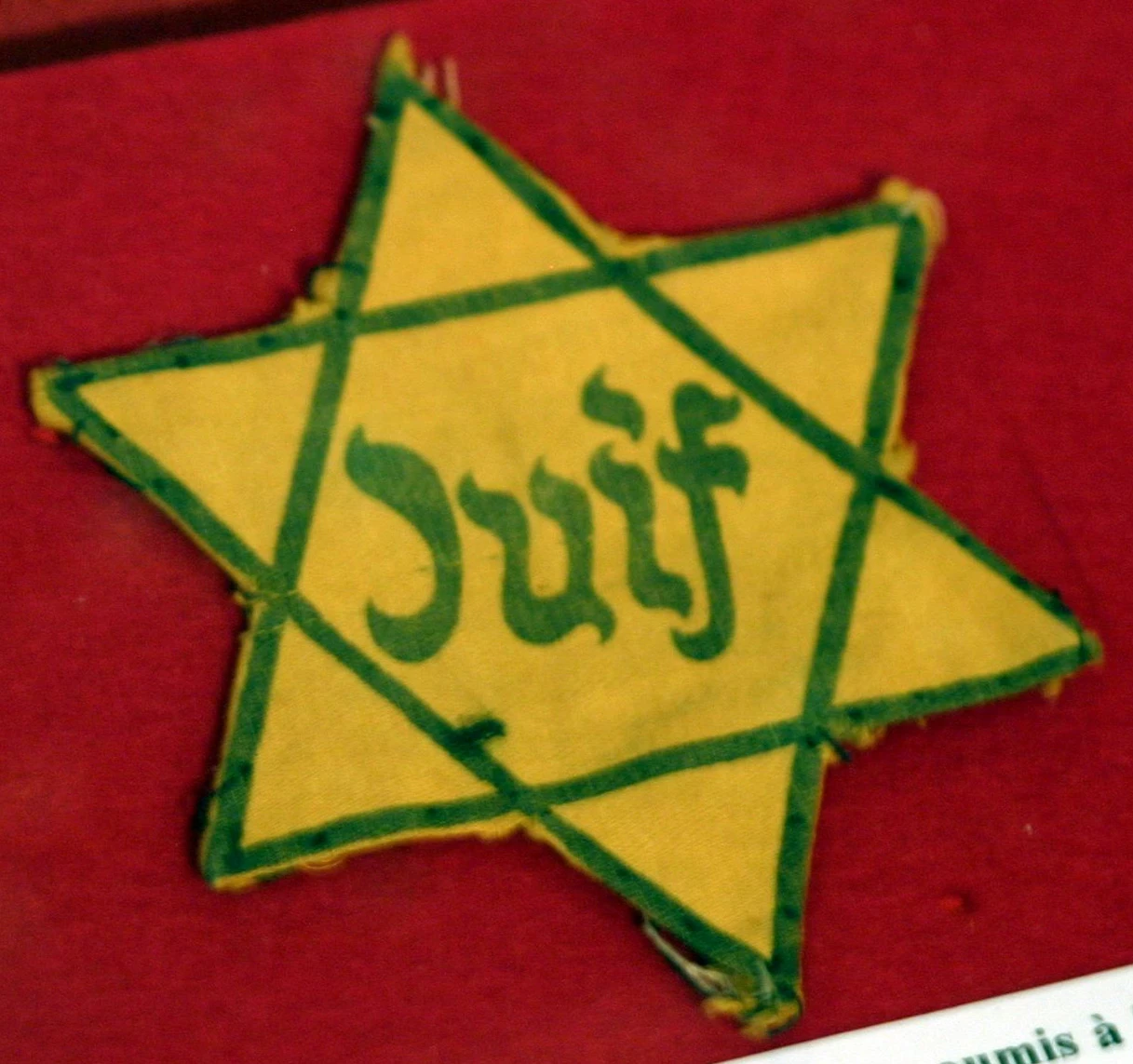
The Yellow Star in Berlin's Streets
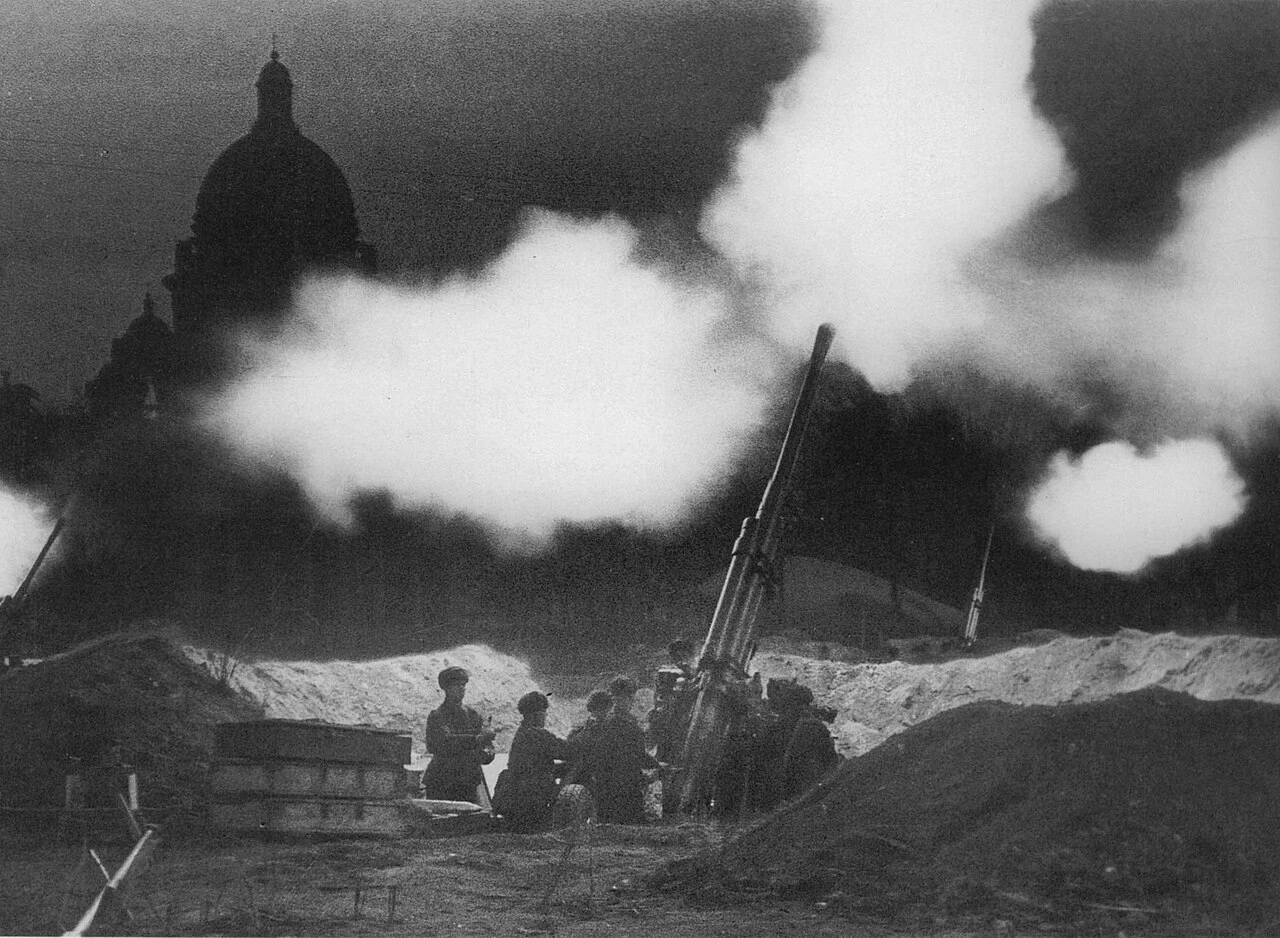
The Kirov Plant Under the Shells
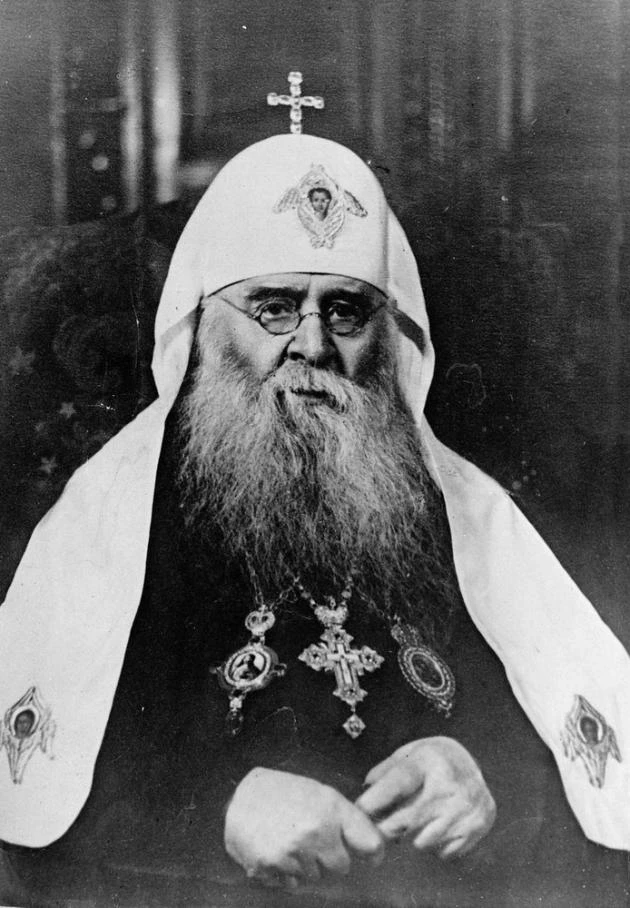
The Church in a Threatened Moscow
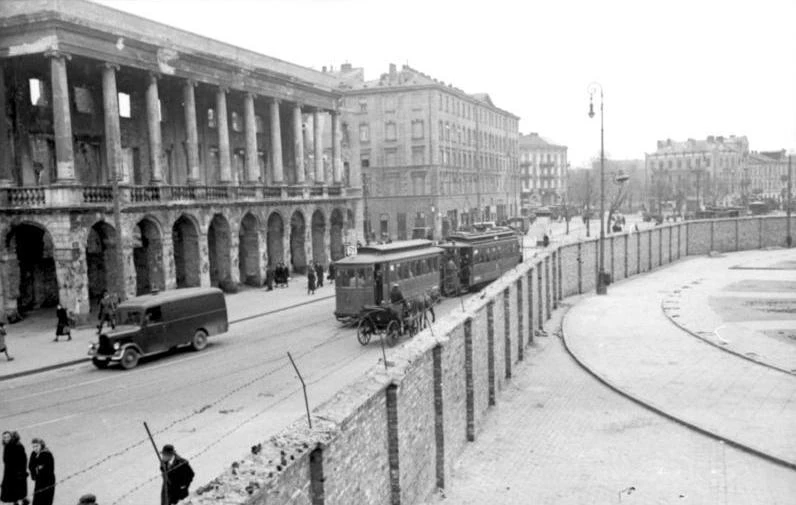
Warsaw Ghetto Teachers and the Ban
Athens, the Winter of Hunger
Czerniaków — the offer of the Judenrat
Hilfswillige: Survival or Refusal in the Transit Camp
Odessa: After the Explosion of the Romanian Headquarters
Barred from School in the Warsaw Ghetto
Heydrich Arrives in Prague
The Yellow Star in Berlin's Streets
The Kirov Plant Under the Shells
The Church in a Threatened Moscow
Warsaw Ghetto Teachers and the Ban
T09-018