
The Nazi-Soviet pact of 23 August struck like a thunderclap. By neutralising the USSR, it removes the chief obstacle to a German attack on Poland and tips Europe to the brink of war. In Berlin, there is perhaps a hope that this reversal will convince London and Paris to abandon Warsaw, as Prague had been abandoned at Munich.
's British government, advised by the Foreign Secretary , must react quickly. The guarantee given to Poland in March was a unilateral declaration; a proper treaty of alliance would carry a quite different political and legal weight.
The dilemma is clear. Transform the guarantee at once into a formal and binding alliance, to signal to that aggression against Poland would mean war with the United Kingdom — at the risk of committing irrevocably? Play for time, for fear of worsening the tension after the shock of the pact? Or seek a compromise to avoid war? The signal sent to Berlin may decide between peace and conflict.
London, 25 August 1939, in the British government: how to respond to the German-Soviet pact and to Hitler?
London signed a formal and binding treaty of alliance with Poland: on 25 August 1939, the United Kingdom and Poland sign a treaty of mutual assistance, transforming the March guarantee into a formal alliance. The message to is unambiguous: aggression against Poland will draw Britain into the war. Combined at the same moment with 's backing away, this firm gesture leads to postpone for a few days the attack planned for 26 August. The deterrence gamble fails on the substance, however: determined, does not relent. The alliance of 25 August founds the commitment that will lead London to declare war on 3 September.
Learn more about this event
Related polls
10
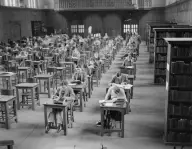
A student in 1939: enlist or keep studying?
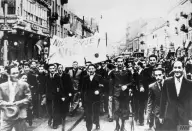
Chamberlain — 11:15 BST
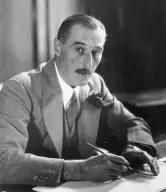
The Last-Chance Mediation
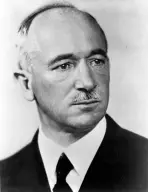
Beneš in London — autumn 1939
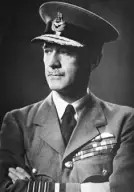
Ludlow-Hewitt and Operation Nickel
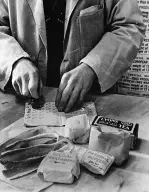
British rationing — Morrison and the principle
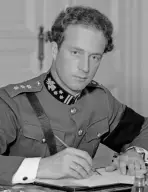
Belgium in 1939: neutrality or pick a side?
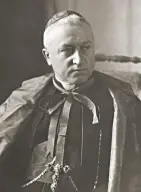
Cardinal Hlond — the Vatican's instruction
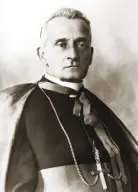
Cardinal Sapieha — Krakow under Occupation
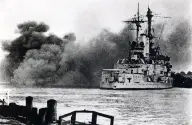
Danzig policeman: serve the annexation?
A student in 1939: enlist or keep studying?
Chamberlain — 11:15 BST
The Last-Chance Mediation
Beneš in London — autumn 1939
Ludlow-Hewitt and Operation Nickel
British rationing — Morrison and the principle
Belgium in 1939: neutrality or pick a side?
Cardinal Hlond — the Vatican's instruction
Cardinal Sapieha — Krakow under Occupation
Danzig policeman: serve the annexation?
T00-044