
Under occupation, information is locked down: a censored press, the "stolen press", omnipresent propaganda. The only window onto another truth is the radio — in particular the BBC, which broadcasts news and messages in French and Dutch for the occupied countries. But listening to "enemy" radio is progressively forbidden and punished by the occupier.
For you, the wireless set becomes an object of temptation and of risk. To listen to London in secret, in the evening, with the volume turned down, in order to know the real course of the war and keep hope alive — at the risk of denunciation and sanctions. To abstain out of caution, making do with the authorised information. Or to listen and spread what you hear, passing the news around you, which multiplies the danger.
The stakes may seem minor, but they are real: to master information is to resist the occupier's psychological grip. Listening to the BBC will become one of the most widespread acts of disobedience of the occupation, and the rumour of the news from London a powerful support to morale.
Occupied Belgium, autumn 1940, information locked down: what to do about the London radio?
Millions of people, throughout occupied Europe, choose to listen to the BBC in secret (and many to pass on its news): despite the bans and the penalties, clandestine listening to the BBC becomes widespread and turns into a ritual of moral resistance, sustaining hope and countering propaganda. In time, the occupier will attempt to confiscate radio sets in order to break this "counter-information". The news from London, passed on by word of mouth, and the BBC's coded messages will play a major role in maintaining morale and, later, in liaison with the Resistance. Listening to London, a seemingly innocuous gesture, was one of the most universal forms of refusal of the occupation.
Learn more about this event
Related polls
10

The First Arrests

Hide the Weapons or Hand Them In

An Allied Soldier at Your Door

Campine Coal and the Hunger of Year One
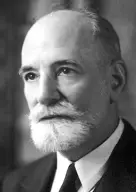
René Cassin Reaches London — 29 June
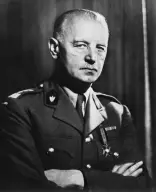
Sikorski leaves Bordeaux — 18 June
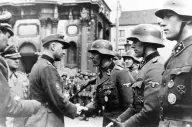
Joining the VNV or Rex
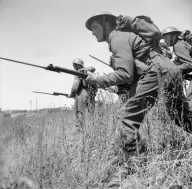
Belgians in Wales: own units or merge with the British?
Tracing Someone Lost in the Exodus
De Gaulle at the BBC microphone — 18 June, 18:00
The First Arrests
Hide the Weapons or Hand Them In
An Allied Soldier at Your Door
Campine Coal and the Hunger of Year One
René Cassin Reaches London — 29 June
Sikorski leaves Bordeaux — 18 June
Joining the VNV or Rex
Belgians in Wales: own units or merge with the British?
Tracing Someone Lost in the Exodus
De Gaulle at the BBC microphone — 18 June, 18:00
T04-145