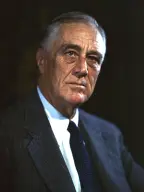
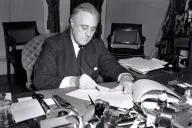
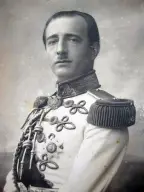
In a few weeks, Europe has seen Prague, Memel and Albania fall. President , deeply worried but bound by the neutrality laws and an isolationist Congress, seeks a way to act without being able to commit his country militarily.
He considers an unprecedented gesture: to address publicly to Hitler and Mussolini a message asking them to pledge not to attack a long list of nations — some 30 states of Europe and the Near East — for at least 10 years, or even 25.
The move is double-edged. A public appeal may place the dictators before their moral responsibilities and mobilise world opinion; but a refusal or mockery in return would expose Roosevelt to a humiliating setback and underline American impotence. Should he launch this solemn, public appeal, act more discreetly by diplomatic channels, or abstain so as not to display the weakness of the United States? The president must weigh a solemn public gesture against the risk of laying American impotence bare.
Washington, April 1939, you are Roosevelt: how to influence Europe without being able to act militarily?
Roosevelt launched a solemn public appeal listing the nations not to attack: on 14 April 1939, he sends Hitler and Mussolini a public message asking them to guarantee that they will not attack some 30 named nations for at least 10 years. The response is withering: neither Hitler nor Mussolini answers directly, and on 28 April, before the Reichstag, Hitler turns the appeal to ridicule by reading out the list of countries to the laughter of the assembly. Roosevelt's gesture fails to sway the dictators, but it marks American and international opinion, and publicly places the United States on the side of the threatened nations — a milestone in Washington's slow drift out of isolationism.
Learn more about this event
Related polls
10
The Royal Visit of George VI
Charles Lindbergh — at the NBC Microphone
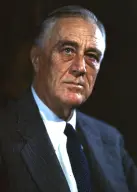
Roosevelt and the Arms Embargo
Roosevelt — revising the Neutrality Act

Join the Party?
Aiding London without entering the war?
Albania Invaded — King Zog
Should Stalin Be Armed?
Lindbergh's speech: name the culprits?
Neutrality laws: open up arms sales?
The Royal Visit of George VI
Charles Lindbergh — at the NBC Microphone
Roosevelt and the Arms Embargo
Roosevelt — revising the Neutrality Act
Join the Party?
Aiding London without entering the war?
Albania Invaded — King Zog
Should Stalin Be Armed?
Lindbergh's speech: name the culprits?
Neutrality laws: open up arms sales?
T00-063