
Vichy, 13 December — the fate of the dauphin
Since the Montoire meeting in October, , Vice-President of the Council and Pétain's designated heir, has been driving the policy of collaboration with Germany. But the man is detested by much of the Marshal's entourage, who resent his brutal manner, his taste for secrecy and his German leanings. At Vichy the court intrigues multiply.
The quarrel comes to a head over a symbolic gesture: the return to Paris of the ashes of the Aiglon, Napoleon's son, which the Germans are offering as a gift. Laval wants Pétain to attend, which the entourage suspects of being a trap to lure him into the occupied zone. Personal mistrust compounds a power struggle: ministers such as Peyrouton and Admiral Darlan are pressing to be rid of Laval.
On 13 December 1940 Pétain calls his council together. He must decide the fate of his heir: keep Laval despite the general hostility and German pressure; dismiss him at the risk of angering Berlin; or try to contain him by stripping him of his powers. The cohesion of the regime and the future of collaboration are at stake.
Vichy, December 1940, you are Pétain: what to do with Laval, contested by your entourage?
Pétain dismissed Laval, even at the cost of provoking German anger: on 13 December he had Laval arrested and dismissed in an almost conspiratorial scene. The German reaction was sharp — Ambassador Abetz came to Vichy demanding explanations and obtained Laval's release, but not his return to power. succeeded him briefly at Foreign Affairs before Admiral Darlan, in February 1941, became the regime's true number 2 and the architect of a still deeper collaboration. The dismissal of 13 December marked no real change of course: it was a palace crisis, not a change of policy. Laval, sidelined for a time, would return to power in April 1942 with German backing, to lead Vichy through to the end of collaboration.
Learn more about this event
Related polls
10
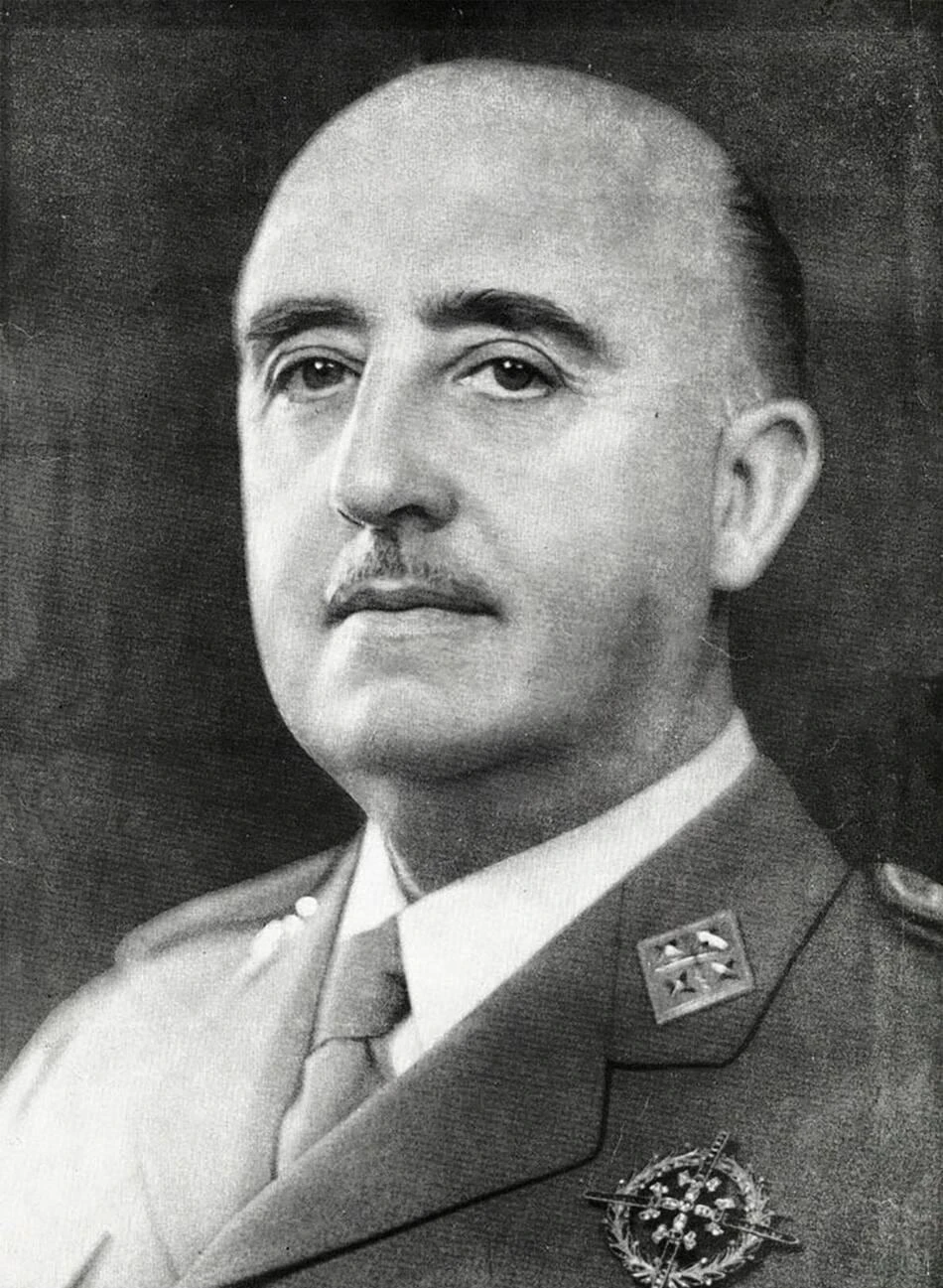
Franco at Hendaye — October 23
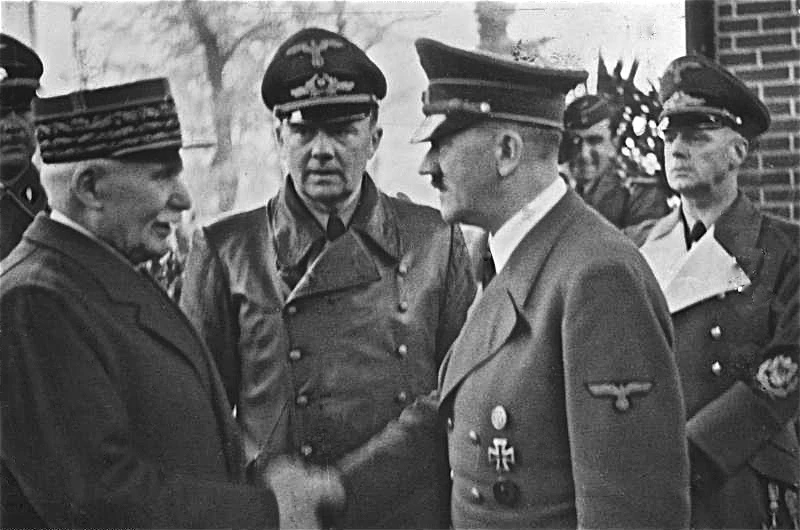
Pétain at Montoire — October 24
Huntziger in Foch's Carriage — 22 June
Mérignac — de Gaulle and Spears's aircraft
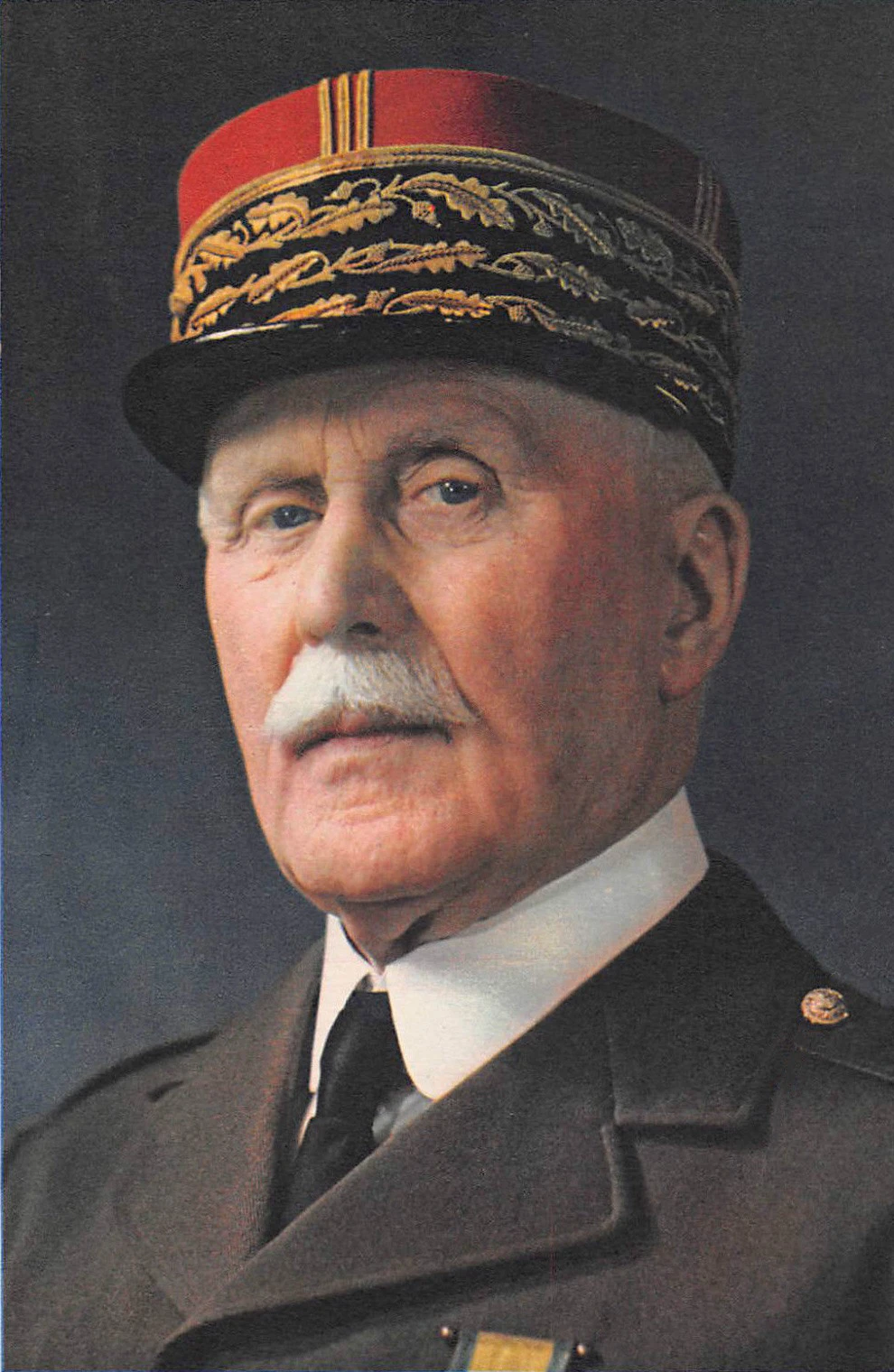
Pétain at the microphone — Bordeaux, 17 June, noon
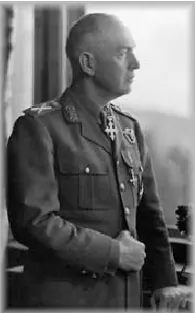
Bucharest — the Legionary rebellion
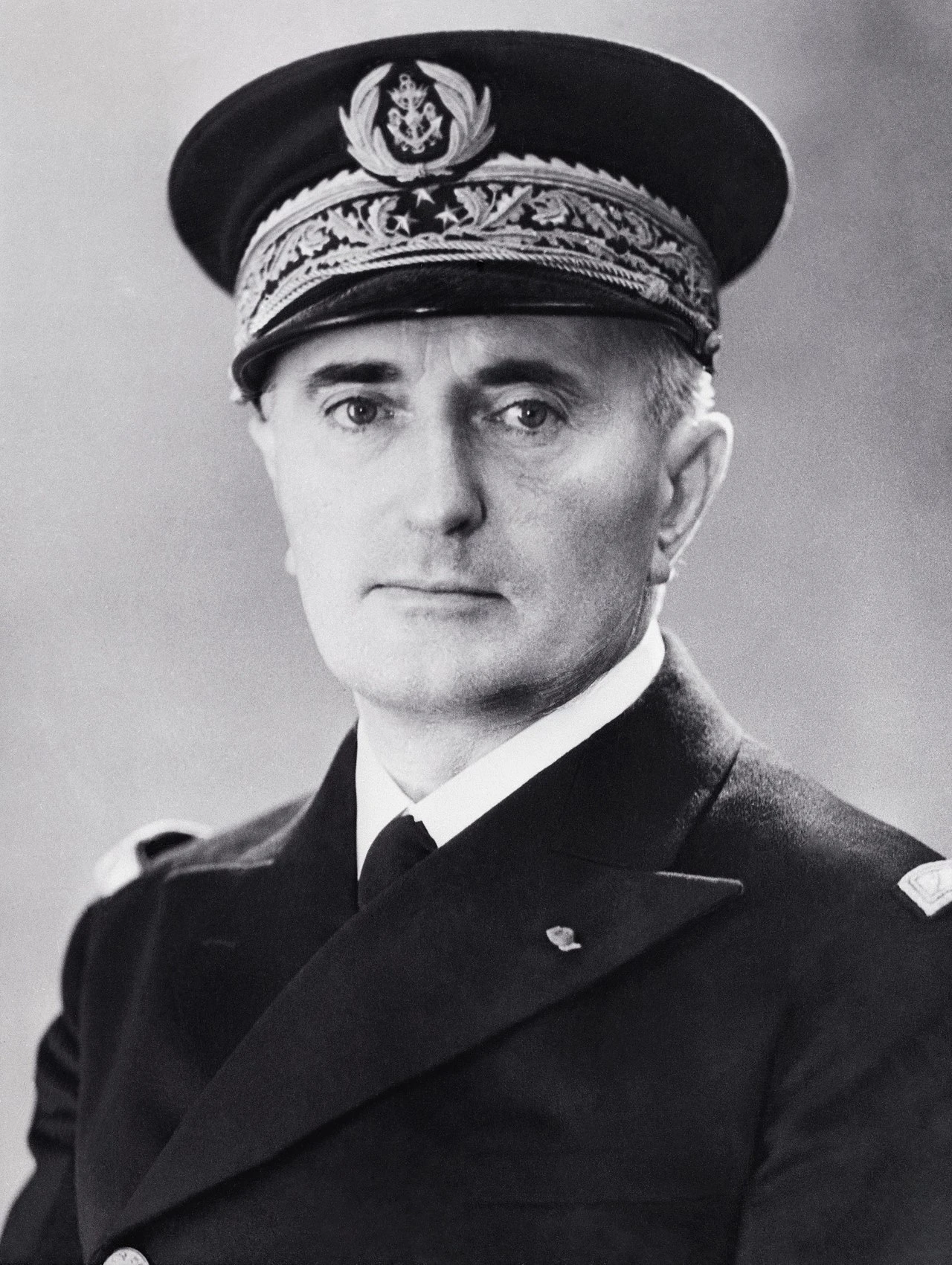
Darlan faces Axis demands in the Levant
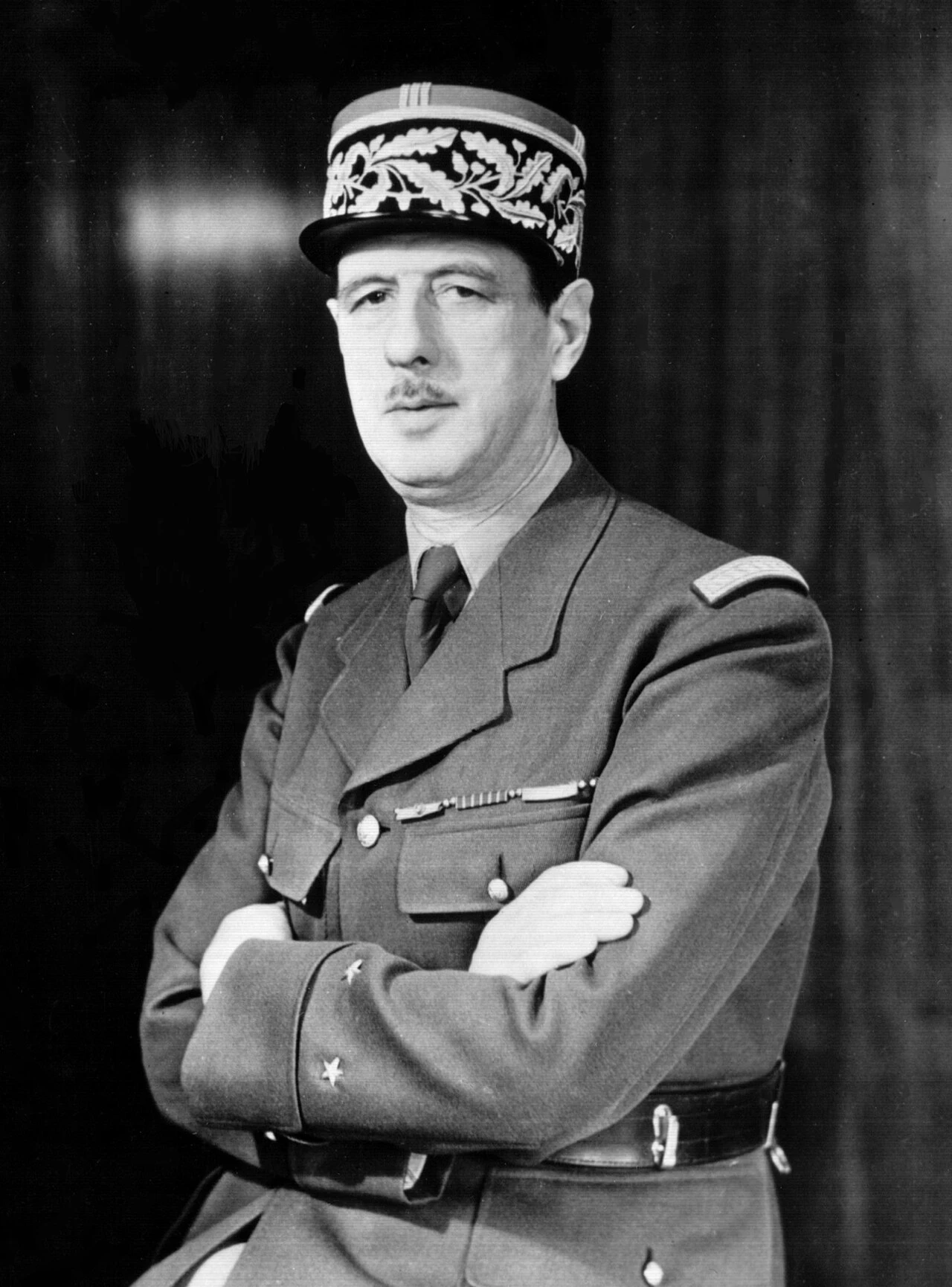
De Gaulle joins the government — 5 June
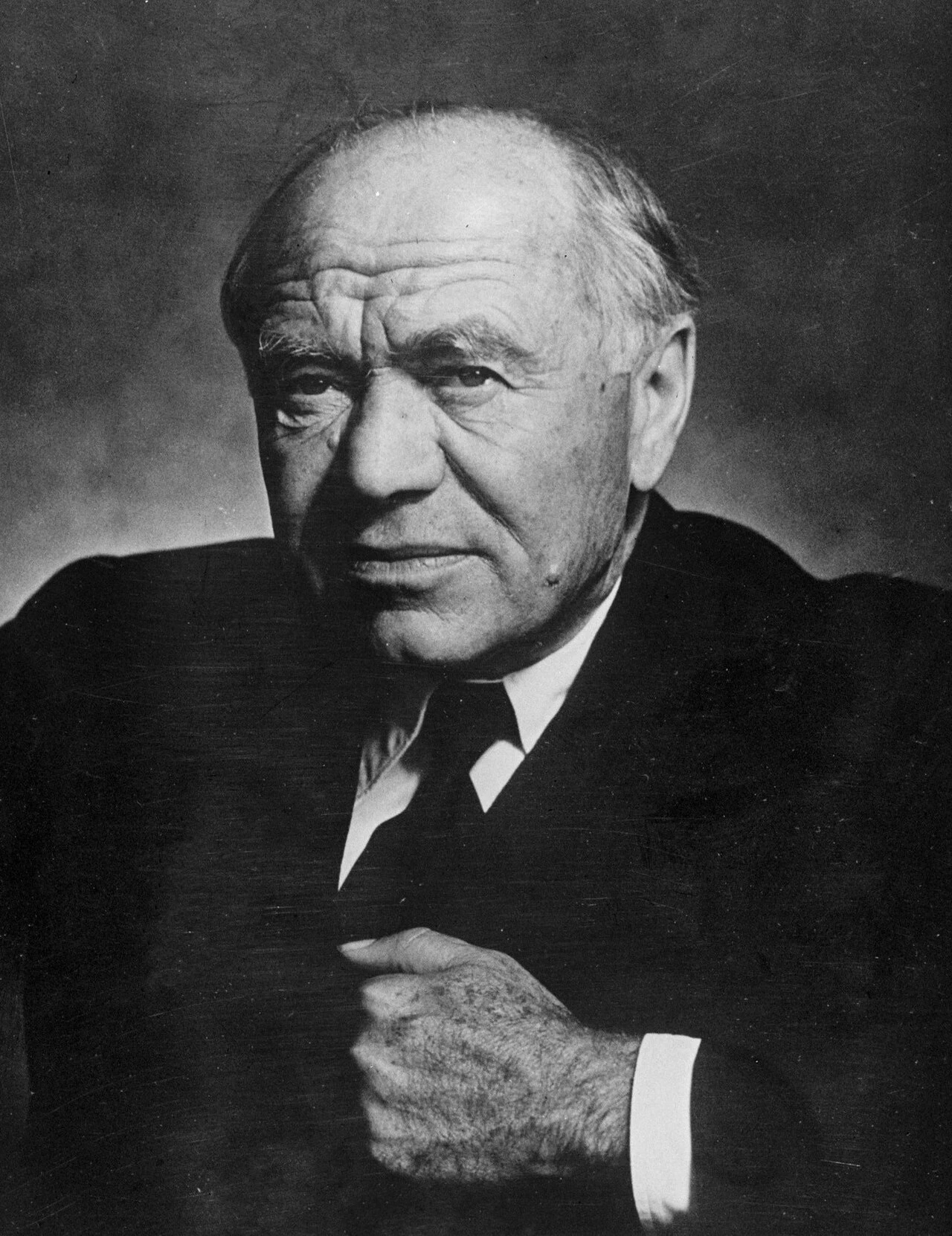
The fate of the victors — Air Ministry, November 1940
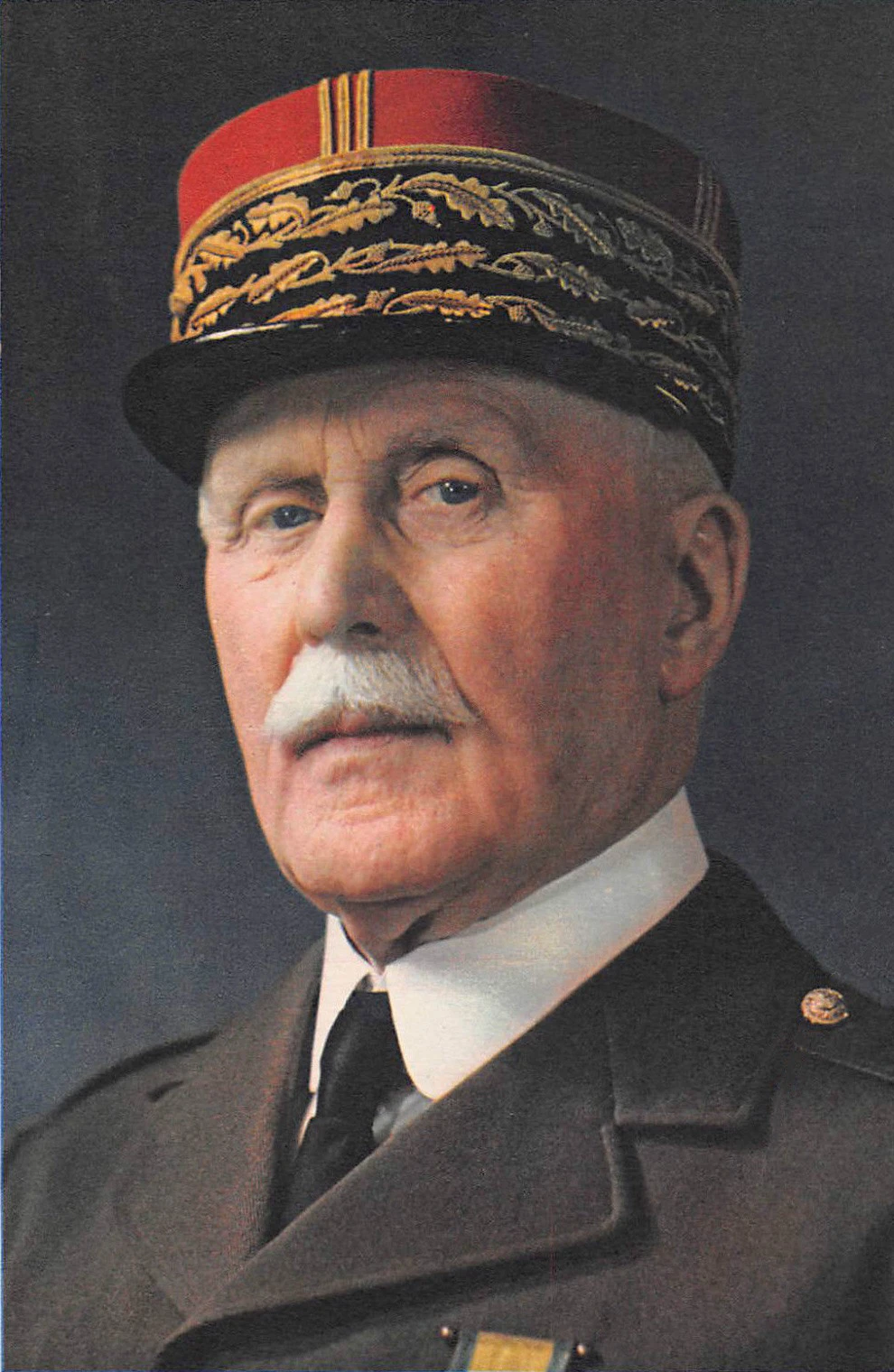
The hero of Verdun recalled from Madrid
Franco at Hendaye — October 23
Pétain at Montoire — October 24
Huntziger in Foch's Carriage — 22 June
Mérignac — de Gaulle and Spears's aircraft
Pétain at the microphone — Bordeaux, 17 June, noon
Bucharest — the Legionary rebellion
Darlan faces Axis demands in the Levant
De Gaulle joins the government — 5 June
The fate of the victors — Air Ministry, November 1940
The hero of Verdun recalled from Madrid
T06-002