The Belgian Congo and the Choice of 1940
After Belgium's capitulation and the captivity of the King, the immense Belgian Congo — a colony rich in strategic resources (copper, tin, rubber, and above all the uranium of Katanga) — faces a decisive question. The legal Belgian government has taken refuge in London to continue the war; the King, for his part, is a prisoner in the country. What course to follow?
Governor-General must decide. To commit the Congo alongside the Allies, under the authority of the London government, by placing its resources and its at the service of the war effort. To remain neutral or wait and see, pending clarification of the Belgian political situation. Or to seek an accommodation with the occupier, as some in the homeland advocate.
The stakes are considerable: the colony represents a base, substantial resources and troops. A Congo rallied to the Allied cause would give free Belgium real weight in the war; a Congo neutralised or fallen under enemy influence would deprive the Allies of precious assets — including, before long, a uranium of historic destiny.
Pierre Ryckmans, governor of the Belgian Congo, summer 1940: which side to choose for this strategic colony?
Ryckmans clearly chooses to commit the Congo alongside the Allies: from 1940, he keeps the Belgian Congo in the war alongside the Allies, under the authority of the Belgian government in London. The colony becomes a major source of strategic resources for the Allied war effort and a decisive source of financial support for the government in exile; its will fight in East Africa against the Italians. The Congo will also supply rubber, copper, and the uranium of Katanga — the very uranium that would later feed the Manhattan Project. The Congo's commitment, in contrast to the uncertain situation of the occupied homeland, secures for Belgium a real presence in the Allied camp and will weigh in the international recognition of the London government.
Learn more about this event
Related polls
10
Churchill and the ultimatum on the Burma Road
The Empire — Vichy or de Gaulle
The War Cabinet — Negotiate or Carry On
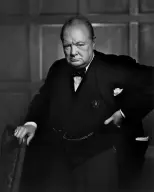
Dunkirk: should the French be saved alongside the British?
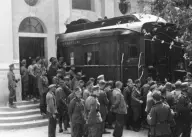
Reynaud or Pétain — Carry On or the Armistice
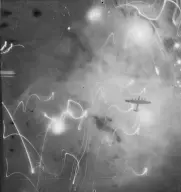
First Bombs on London — 25 August 1940
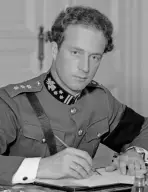
The Capitulation of 28 May
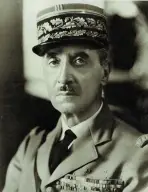
Catroux and Tokyo's pressure on Indochina
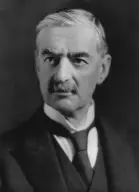
War council — leave central Norway?
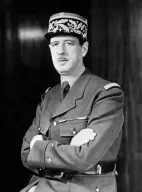
De Gaulle calls on Churchill — 9 June
Churchill and the ultimatum on the Burma Road
The Empire — Vichy or de Gaulle
The War Cabinet — Negotiate or Carry On
Dunkirk: should the French be saved alongside the British?
Reynaud or Pétain — Carry On or the Armistice
First Bombs on London — 25 August 1940
The Capitulation of 28 May
Catroux and Tokyo's pressure on Indochina
War council — leave central Norway?
De Gaulle calls on Churchill — 9 June
T04-133