In the Railway Carriage at Rethondes
On 22 June 1940, the French delegation came to sign the armistice requested by . had chosen its setting and staging with vengeful care: the clearing of Rethondes, near Compiègne, and the very railway carriage in which Germany had signed its defeat in November 1918. The symbolism was overwhelming: to erase the humiliation of 1918 by imposing it on France in the same place.
The German conditions were harsh: occupation of two-thirds of the country (the entire Atlantic seaboard and the north), demobilisation of the army, surrender of German political refugees, exorbitant occupation costs, retention of the prisoners of war. The French delegation had virtually no room for manoeuvre.
The delegation could sign the conditions imposed, in order to halt the fighting and preserve a "free" zone and the empire. Refuse and break off negotiations, which would reignite a war already lost on national soil. Or contest certain clauses point by point (the fleet, the empire, the prisoners) in the hope of concessions. The aim was to limit the damage of a total defeat.
Rethondes, 22 June 1940, you lead the French delegation facing Hitler's imposed armistice: what stance to take?
The delegation signed the conditions imposed in order to halt the fighting, with a few attempts at adjustment: the armistice was signed on 22 June 1940 at Rethondes, in the 1918 carriage, after which ordered the site destroyed to erase the symbol of the German defeat. France was cut into an occupied zone and a "free" zone, its army reduced, its fleet neutralised (a clause that would lead to the tragedy of Mers-el-Kébir), its prisoners retained. The armistice put an end to the fighting but opened the period of Vichy, of occupation and of collaboration. The staging at Rethondes would remain one of the most powerful symbols of French humiliation and of the momentary triumph of the Third Reich in the West.
Learn more about this event
Related polls
10
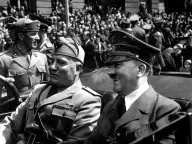
Hitler at Compiègne — 22 June 4:30 p.m.
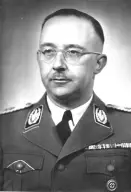
Himmler's memorandum to the Führer
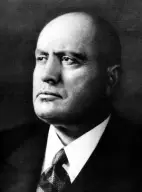
Mussolini and the entry into the war
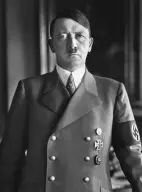
The Triumph of Berlin
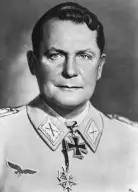
Göring at Carinhall — Dunkirk on the Line
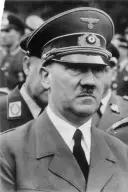
Hitler After Molotov — Berlin, November 1940
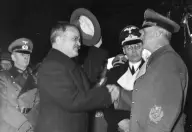
Molotov in Berlin — November 12
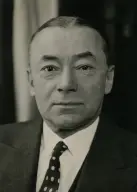
Reynaud faces the Council — Bordeaux, 16 June, 22:00
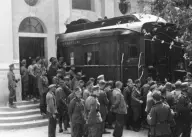
Reynaud or Pétain — Carry On or the Armistice
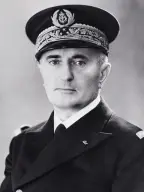
Darlan and the fleet — 20 June
Hitler at Compiègne — 22 June 4:30 p.m.
Himmler's memorandum to the Führer
Mussolini and the entry into the war
The Triumph of Berlin
Göring at Carinhall — Dunkirk on the Line
Hitler After Molotov — Berlin, November 1940
Molotov in Berlin — November 12
Reynaud faces the Council — Bordeaux, 16 June, 22:00
Reynaud or Pétain — Carry On or the Armistice
Darlan and the fleet — 20 June
T04-114