Mers-el-Kébir
After the Franco-German armistice, the fate of the powerful French fleet — one of the foremost in the world — became an obsession for London. Were it to fall into Axis hands, the naval balance in the Mediterranean and the Atlantic would tip over. At Mers-el-Kébir, near Oran, a large part of this fleet lay at anchor.
Churchill demanded guarantees. Admiral , commanding , was charged with presenting an ultimatum to the French: to rally to the British, to make for a neutral port or the Antilles, or to scuttle. Failing that, he was to open fire — on the navy of a country that had been an ally only the day before, and whose crews were not enemies.
Somerville, loath to commit this act, had to carry it out. To open fire on the French fleet if the ultimatum was rejected, to prevent any risk of it serving the Axis. To play for time and negotiate beyond the deadline, at the risk of disobeying Churchill. Or to renounce the attack, gambling on the French word never to deliver up their ships. The stakes went beyond Oran: it was British determination to continue the war, alone, that the world was watching.
Admiral Somerville, Mers-el-Kébir, 3 July 1940: what to do with the French fleet that must not fall to the Axis?
On Churchill's orders, Somerville carried out A: the ultimatum rejected, opened fire on the French fleet on 3 July 1940. Within minutes, several ships were destroyed or damaged (the Bretagne blew up) and nearly 1,300 French sailors were killed. The tragedy of Mers-el-Kébir provoked deep resentment in France and poisoned Franco-British relations, serving Vichy propaganda. But it demonstrated to the world — and above all to the United States — Churchill's determination to pursue the war at any price, even against a former ally. It is one of the most tragic and controversial episodes of 1940.
Learn more about this event
Related polls
10
Dakar — de Gaulle and Operation Menace
March 1943 — where to place the escorts?
The Cabinet and Operation Catapult — 1 July
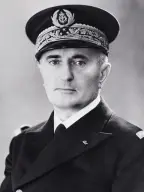
The French navy disperses
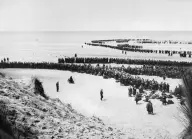
Ramsay at Dover Castle — Dynamo
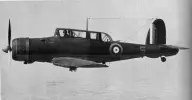
Bergen — the Skuas at extreme range
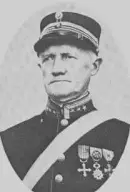
Oscarsborg — the intruder in the Oslofjord
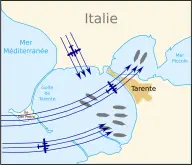
Cunningham faces Taranto — November 1940
Whitworth and the Warspite — 13 April
Convoy HG-76 — the escort under the wolf-pack
Dakar — de Gaulle and Operation Menace
March 1943 — where to place the escorts?
The Cabinet and Operation Catapult — 1 July
The French navy disperses
Ramsay at Dover Castle — Dynamo
Bergen — the Skuas at extreme range
Oscarsborg — the intruder in the Oslofjord
Cunningham faces Taranto — November 1940
Whitworth and the Warspite — 13 April
Convoy HG-76 — the escort under the wolf-pack
T04-125