
In 1939, Japan wavers between 2 schools of thought. The first, the Hokushin-ron, advocates a thrust to the north against the USSR, into Manchuria and Siberia. The second, the Nanshin-ron, targets the south and its resources: oil, tin, rubber from the Dutch East Indies, Malaya, and the Philippines.
The 2 paths do not require the same weapons. The north calls for tanks, artillery, and land-based aviation; the south demands a powerful navy, naval aviation, and amphibious capabilities. Industry cannot finance everything at once.
In the summer of 1939, the clash with the at Khalkhin Gol (Nomonhan) turns into a disaster for the Japanese troops. The General Staff must decide which axis to commit to for the long term.
At the Japanese imperial staff, 1939: where to direct the military and industrial effort?
After the heavy defeat at Nomonhan (August-September 1939), which dispelled any illusion of an easy victory over the USSR, Japan shifted toward the Nanshin-ron, the southern strategy. The industrial effort was redirected toward the navy and naval aviation. This choice would lead to the conquest of the resources of Southeast Asia and, in December 1941, to the attack on Pearl Harbor, opening a fatal conflict with the United States.
Learn more about this event
Related polls
10
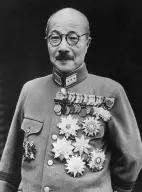
Japan and the Southern Resource Zone
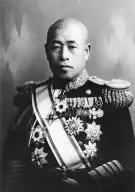
Pearl Harbor: force the raid or yield?

Yamamoto and the Next Offensive
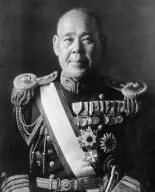
Imperial conference: keep talking or set war?

Tokyo and the Lure of Southern Indochina
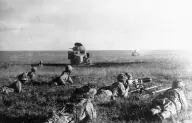
Kharkiv 1939 — track or wheel?

Tokyo and the Axis Alliance Offer

Brauchitsch — Reich Chancellery, 5 November

Goering — the economic mobilization plan
Hitler and Fall Gelb — Setting the Date
Japan and the Southern Resource Zone
Pearl Harbor: force the raid or yield?
Yamamoto and the Next Offensive
Imperial conference: keep talking or set war?
Tokyo and the Lure of Southern Indochina
Kharkiv 1939 — track or wheel?
Tokyo and the Axis Alliance Offer
Brauchitsch — Reich Chancellery, 5 November
Goering — the economic mobilization plan
Hitler and Fall Gelb — Setting the Date
T00-077