
Yamamoto and the Next Offensive
Admiral takes stock of an extraordinary imbalance. In ten weeks, the Imperial Navy has swept through , Malaya, Singapore, and the Dutch East Indies. Japanese carriers now roam waters the empire had always coveted. Yet one obsession gnaws at the commander in chief: three American carriers slipped through the net on 7 December. As long as they remain at sea, Japanese supremacy is fragile, and American factories swell the enemy fleet with every passing month.
Imperial headquarters wavers. The army demands the consolidation of a defensive perimeter stretching from Burma to the Gilbert Islands, convinced that holding is wiser than overreaching. Some admirals look west: a thrust toward and the Indian Ocean could sever British supply lines. Others look south, toward an invasion of Australia to deny the Americans their southern Pacific springboard.
Yamamoto dismisses these detours. His conviction is mathematical: Japan has roughly 18 months before American industrial power makes any victory impossible. He wants to force a decisive encounter, lure the Americans into a trap at , and destroy their carriers before they multiply. The choice remains: provoke that decisive battle at ; direct the main effort toward and the Indian Ocean to break Britain's position; or consolidate the conquered perimeter without risking the fleet in a distant offensive.
Hashirajima, 20 February 1942, Commander in Chief of the Combined Fleet: in which direction should Yamamoto thrust Japan's next major strike?
Yamamoto forced the plan through a reluctant Naval General Staff. The Doolittle Raid on Tokyo on 18 April 1942 silenced the last objectors by exposing the vulnerability of the home islands. In June 1942, American codebreakers read the Japanese operational plan and sprung the ambush at : in a few decisive minutes, 4 Japanese carriers were doomed, along with the core of their veteran aircrews. The decisive battle Yamamoto had sought became the decisive disaster that reversed the course of the Pacific War.
Learn more about this event
Related polls
10
Strike America or hold the Atlantic?
Nagumo off Oahu — the third wave
Pearl Harbor: force the raid or yield?
Dönitz and Operation Drumbeat
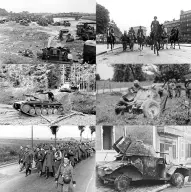
Fall Gelb — the order of 9 May 20:00
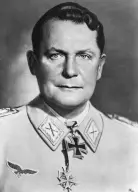
Göring at Cap Gris-Nez — September 7
Hitler signs the Barbarossa directive
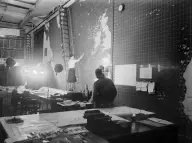
March 1943 — where to place the escorts?
Mussolini and the Greek plan — Rome, 15 October 1940
The Manstein Plan Under Debate
Strike America or hold the Atlantic?
Nagumo off Oahu — the third wave
Pearl Harbor: force the raid or yield?
Dönitz and Operation Drumbeat
Fall Gelb — the order of 9 May 20:00
Göring at Cap Gris-Nez — September 7
Hitler signs the Barbarossa directive
March 1943 — where to place the escorts?
Mussolini and the Greek plan — Rome, 15 October 1940
The Manstein Plan Under Debate
T10-042