learns on 7 December of the Japanese attack on with barely concealed satisfaction. The of September 1940 binds Germany, Italy, and Japan in a defensive alliance: the mutual-assistance clause is triggered only when one of the signatories is attacked — yet it is Japan that struck first. Hitler is therefore under no legal obligation to act. For months he has kept his U-boats on a tight leash to avoid a fatal naval incident with Washington, well aware that American isolationist opinion remains the best bulwark against massive intervention in Europe. does not yet hold a war mandate against the Reich.
Yet the decision Hitler must make in the hours that follow will shape the entire course of the war. He can seize the momentum of and immediately declare war on the United States, cementing the alliance with and finally unleashing the in the Atlantic. He can instead stay out of it, letting the Americans bog down in the Pacific while limiting himself to controlled naval incidents. Or he can play for time, deferring any formal declaration and negotiating behind the scenes the terms of solidarity with Japan.
's pressure, pride and ideological logic push him toward the dramatic gesture. But the stakes go far beyond a show of solidarity: it means opening a second oceanic front against the foremost industrial power on earth.
Berlin, 11 December 1941, Reich Chancellor: does Japan's attack on Pearl Harbor compel Germany to go to war against the United States?
Hitler took the podium of the on 11 December 1941 and declared war on the United States. The decision freed Roosevelt from isolationist opposition and enabled the formal adoption of the 'Europe First' strategy, committing America's vast industrial and military resources primarily against Germany. Widely judged as one of the most consequential strategic blunders of the war, it sealed in large part the fate of the Third Reich.
Learn more about this event
Related polls
10
Before Moscow: stand fast or retreat?
Hitler — the Eve of Barbarossa
Brauchitsch — Reich Chancellery, 5 November
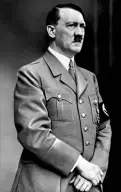
Gibraltar after the rebuff at Hendaye
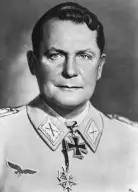
Göring at Carinhall — Dunkirk on the Line
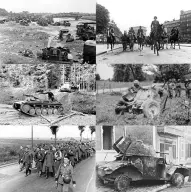
Hitler and Fall Gelb — Setting the Date
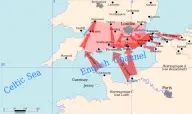
Hitler faces Sea Lion — September 17
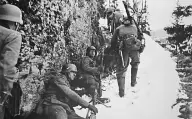
Saving an ally bogged down in the mountains
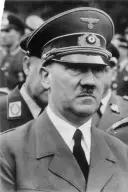
Weserübung — directive of 1 March
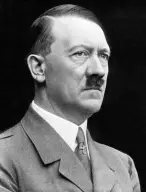
Hitler After Molotov — Berlin, November 1940
Before Moscow: stand fast or retreat?
Hitler — the Eve of Barbarossa
Brauchitsch — Reich Chancellery, 5 November
Gibraltar after the rebuff at Hendaye
Göring at Carinhall — Dunkirk on the Line
Hitler and Fall Gelb — Setting the Date
Hitler faces Sea Lion — September 17
Saving an ally bogged down in the mountains
Weserübung — directive of 1 March
Hitler After Molotov — Berlin, November 1940
T10-014