
After the crushing of Poland (1939) and the dismemberment of Czechoslovakia (1938–1939), tens of thousands of Polish and Czechoslovak servicemen had fled to France to continue the fight. Their governments in exile ( for Poland, for Czechoslovakia) organised themselves on French soil and sought to give these men a future.
These men, who had already lost everything, faced a choice of commitment. To reconstitute units and fight alongside the French, despite the makeshift equipment and the uncertainty. To wait for better organisation before committing. Or, for some, to seek to reach other theatres (the Middle East, the United Kingdom).
For the Allies, these foreign forces represented a potential reinforcement and a symbol: the war of the occupied nations could continue from exile. But their employment raised questions of command, equipment and morale. Many burned to fight the occupier of their homeland; France offered them a base. What were these soldiers without a country to decide?
Refugees in France, winter-spring 1940, you are a Polish or Czech officer: how should you return to the fight?
Poles and Czechoslovaks overwhelmingly reconstituted units to fight alongside the French: as early as the winter of 1939–1940, Poles and Czechoslovaks reconstituted significant forces in France (the Polish army in France would number several tens of thousands of men) which would fight in the 1940 campaign (notably in Norway at Narvik, and on the French front). After the defeat, many evacuated to the United Kingdom to continue the struggle: the Polish pilots would distinguish themselves in the Battle of Britain, and the Czech and Polish units would serve through to the victory. The commitment of these exiles, fighting to liberate their occupied homeland, illustrates the international dimension of resistance to the Axis from as early as 1939–1940 — and the role of France, and then of England, as a base for the war of the free nations.
Learn more about this event
Related polls
10
The Supreme Allied Council faces Finland
Baku in the crosshairs — Operation Pike
Reynaud against Daladier — February 1940
The Altmark affair
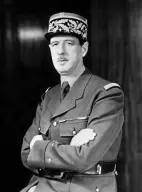
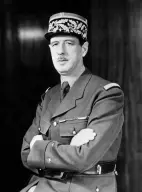
De Gaulle joins the government — 5 June
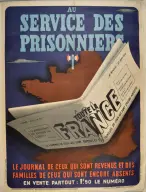
French propaganda: reassure or tell the truth?
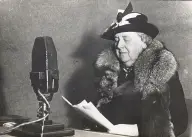
The war of the airwaves
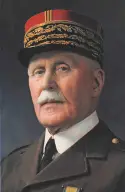
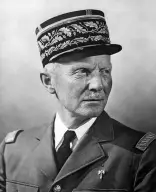
The hero of Verdun recalled from Madrid
Huntziger in Foch's Carriage — 22 June
Mérignac — de Gaulle and Spears's aircraft
The Supreme Allied Council faces Finland
Baku in the crosshairs — Operation Pike
Reynaud against Daladier — February 1940
The Altmark affair
De Gaulle joins the government — 5 June
French propaganda: reassure or tell the truth?
The war of the airwaves
The hero of Verdun recalled from Madrid
Huntziger in Foch's Carriage — 22 June
Mérignac — de Gaulle and Spears's aircraft
T02-088