
The West Coast Under Pressure — Roosevelt and EO 9066
leads a nation in shock: 10 weeks after , fear of invasion grips the West Coast. General , commander of the Western Defense Command, insists that every person of Japanese ancestry poses a sabotage or espionage risk and demands mass evacuation. Governors, congressmen, and a frenzied press amplify the call. Roughly 120,000 people of Japanese descent live along those shores — two-thirds of them American-born citizens, the — but the legal distinction between citizens and aliens has all but collapsed in the political clamour.
Behind the scenes, the picture is more complicated. argues that his FBI has already detained the genuinely dangerous individuals; several legal advisers raise constitutional doubts about a mass removal based solely on ancestry. Secretary of War hesitates, noting that such a measure would be 'repugnant to the principles' of the country.
Roosevelt must choose among competing imperatives: sign , which would authorize the forced exclusion and internment of tens of thousands of civilians — citizens and non-citizens alike — without charge or trial; reject the order and limit action to targeted arrests of confirmed suspects only; or confine himself to a strict curfew and mandatory registration of enemy nationals. Three logics collide: collective fear, constitutional law, and political pressure.
Washington, 19 February 1942, President of the United States: how to respond to the pressure to remove Americans of Japanese ancestry from the West Coast?
Roosevelt signed on 19 February 1942. Within months, some 120,000 people of Japanese ancestry — two-thirds of them American citizens — were forced from their homes and held in camps run by the until 1945. The Supreme Court upheld the order in 1944 ( v. United States), a ruling later acknowledged as gravely mistaken. In 1988, the delivered a formal apology from the U.S. government and a $20,000 payment to each surviving internee.
Learn more about this event
Related polls
10
Blockade and Famine: A Gap for Greece?
Czerniaków — the offer of the Judenrat
Danzig policeman: serve the annexation?
Darwin: what to tell the nation?
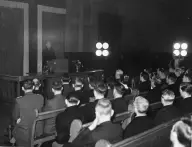
The Circular That Divided Norway's Schools
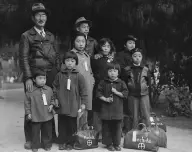
A Few Days to Settle Everything Before Evacuation

Stalin and the Volga Germans
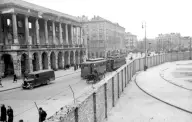
Barred from School in the Warsaw Ghetto
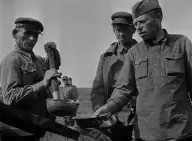
Hilfswillige: Survival or Refusal in the Transit Camp

The Church in a Threatened Moscow
Blockade and Famine: A Gap for Greece?
Czerniaków — the offer of the Judenrat
Danzig policeman: serve the annexation?
Darwin: what to tell the nation?
The Circular That Divided Norway's Schools
A Few Days to Settle Everything Before Evacuation
Stalin and the Volga Germans
Barred from School in the Warsaw Ghetto
Hilfswillige: Survival or Refusal in the Transit Camp
The Church in a Threatened Moscow
T10-020