
The Uxbridge plotter
In the underground bunker of at Uxbridge, a WAAF plotter (Women's Auxiliary Air Force, the female auxiliary of the Royal Air Force) pushes counters across a vast plotting table. Around her, controllers watch a lit board showing, squadron by squadron, which units are on the ground, on standby, or already airborne.
The system, designed by Dowding, captures the returns of coastal radar stations — about 50, from Land's End to the Orkneys — supplemented by the spotters of the Observer Corps. , the most exposed, covers south-east England and London: it sees the most action, being closest to France. The data arrive fragmentary: a bearing, an approximate altitude, an aircraft count often inflated, sometimes a decoy meant to empty airfields of their fighters.
In August 1940 the Luftwaffe launches daily waves against the southern airfields. The controller has only a few minutes: taking off too early exhausts pilots on the ground; too late leaves them prey to an enemy diving from above. Every alert demands a snap decision.
Uxbridge, August 1940, 11 Group ops room: with incomplete radar and minutes to spare, which squadrons do you scramble?
controllers, under , favour launching a single squadron to intercept and keeping the rest on the ground in reserve: staggered engagements, squadron by squadron, to harass continuously and preserve reserves — at the cost of fighting often in numerical inferiority. This sparing method clashes with the 'Big Wing' doctrine championed by neighbouring , which wanted to mass several squadrons before striking. The quarrel, known as the Big Wing controversy, will poison the post-battle years. The Dowding-Park system, by distributing radar information to the pilot within minutes, allows a numerically inferior force to be almost always in the right place. The WAAF plotters, several of whom will remain at their posts under the bombs when airfields are struck, become the enduring image of this operations-room war.
Learn more about this event
Related polls
10

The Polish Pilots of 303 Squadron
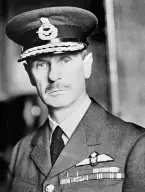
Dowding and the Last Reserves — 15 September 1940
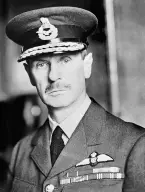
Dowding — Keep the Fighters?
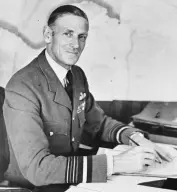
Keith Park at Uxbridge — September 15
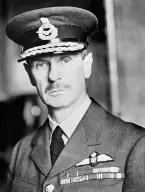
Dowding and the Defence of British Skies
Coventry — the night of November 14
The Second Great Fire of London

Belgian air force: disperse or concentrate the planes?
The last great night of the Blitz
The Kanalkampf — withdraw the destroyers?
The Polish Pilots of 303 Squadron
Dowding and the Last Reserves — 15 September 1940
Dowding — Keep the Fighters?
Keith Park at Uxbridge — September 15
Dowding and the Defence of British Skies
Coventry — the night of November 14
The Second Great Fire of London
Belgian air force: disperse or concentrate the planes?
The last great night of the Blitz
The Kanalkampf — withdraw the destroyers?
T04-062