Close Combat
Anecdote
The debut work of American studio Atomic Games led by Keith Zabalaoui and published by Microsoft in August 1996, Close Combat offered a revolutionary approach to real-time tactical wargaming: the psychological simulation of individual soldiers. The title covers the Normandy campaign of June 1944, from the parachute drop at Sainte-Mère-Église to the liberation of Carentan, across fifteen scenarios playable from the American or German side. Each modelled soldier has a name, a rank, a fatigue level, a fluctuating morale, specific skills and a risk of panic under fire. When a section comes under machine-gun fire, some men dive for cover, others return fire, and others crawl away from their position: the player does not control all of their reactions but must work around their simulated humanity. This approach, championed by Keith Zabalaoui after a study of United States Army War College research on combat psychology, still underpins the best tactical simulators today. The two-dimensional isometric engine provides a clear representation of troops and terrain, and scenarios unfold in real time without an active pause. A mission lasts between twenty minutes and one hour. The sweeping soundtrack by Phil Taylor blends orchestral themes with combat sound effects. Atomic Games subsequently delivered a long lineage — Close Combat: A Bridge Too Far, The Russian Front, Invasion: Normandy, Battle of the Bulge, Modern Tactics, Last Stand: Arnhem, Wacht am Rhein, Cross of Iron — making the title an institution. Several military versions were commissioned by the U.S. Marine Corps for tactical training. Close Combat remains an absolute reference for wargames that simulate the human dimension of combat.
Popularity & reception
Awards — Computer Gaming World – Strategy Game of the Year nominated (1996) · GameSpot – Best Strategy Game PC nominated (1996) · official adoption by the U.S. Marine Corps as a training tool
Learn more about this game
Related games
10
▾
Steel Division: Normandy 44
Company of Heroes
Sudden Strike
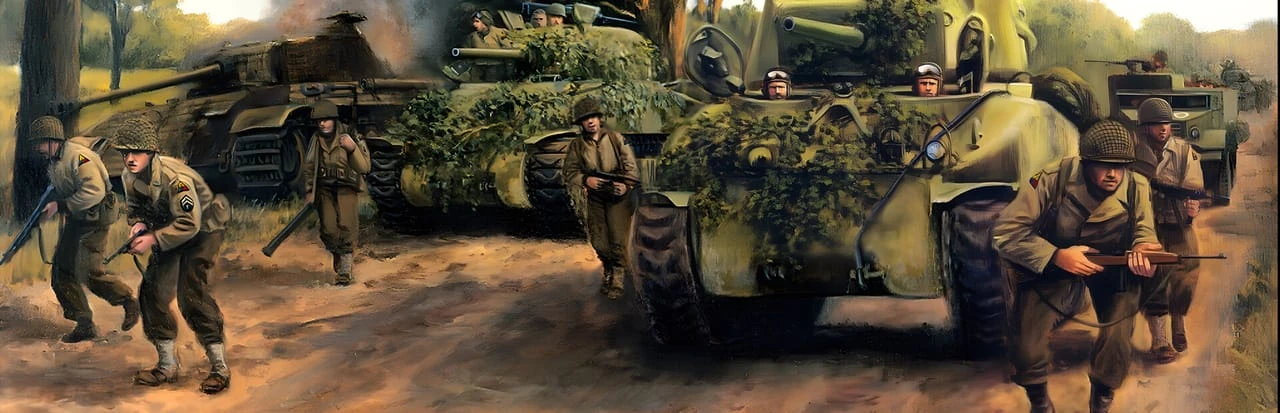
Combat Mission: Beyond Overlord
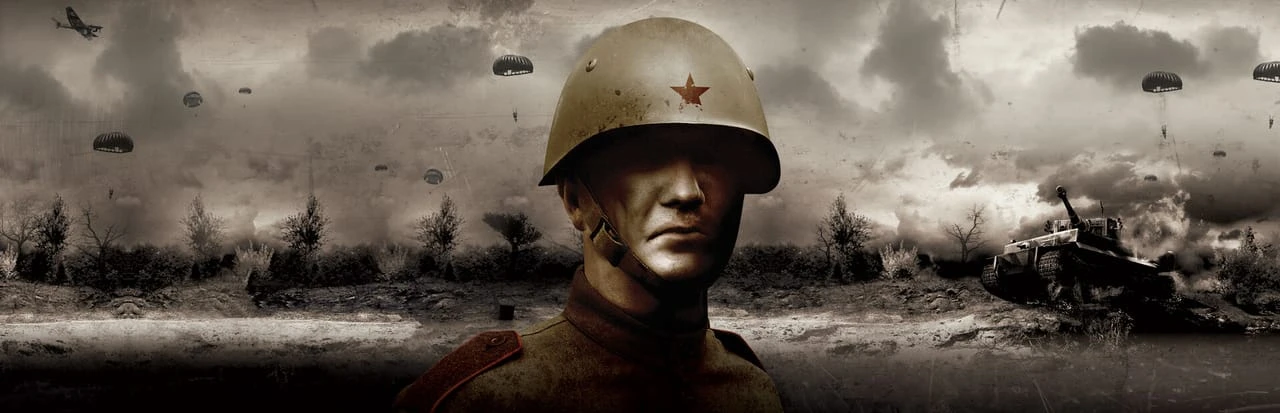
Men of War
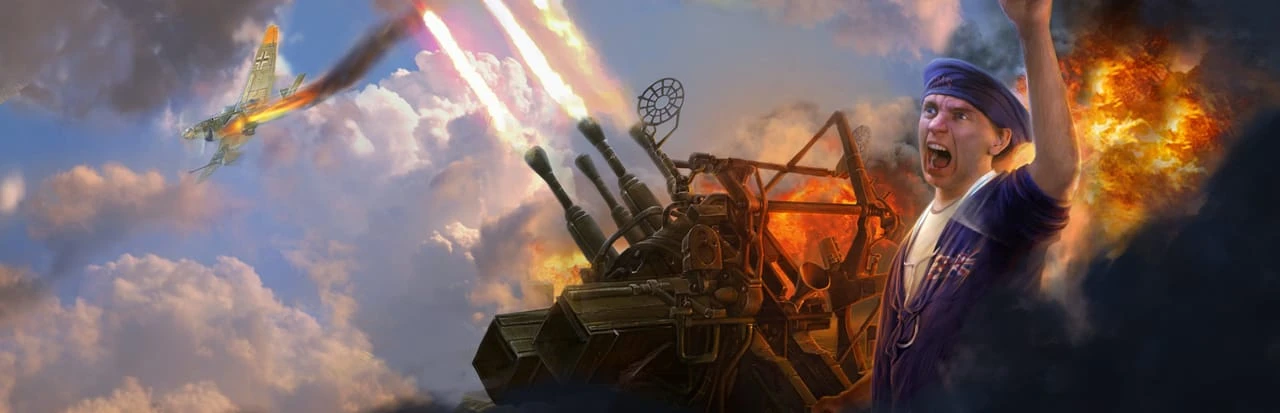
Blitzkrieg

Steel Panthers

Panzer Corps
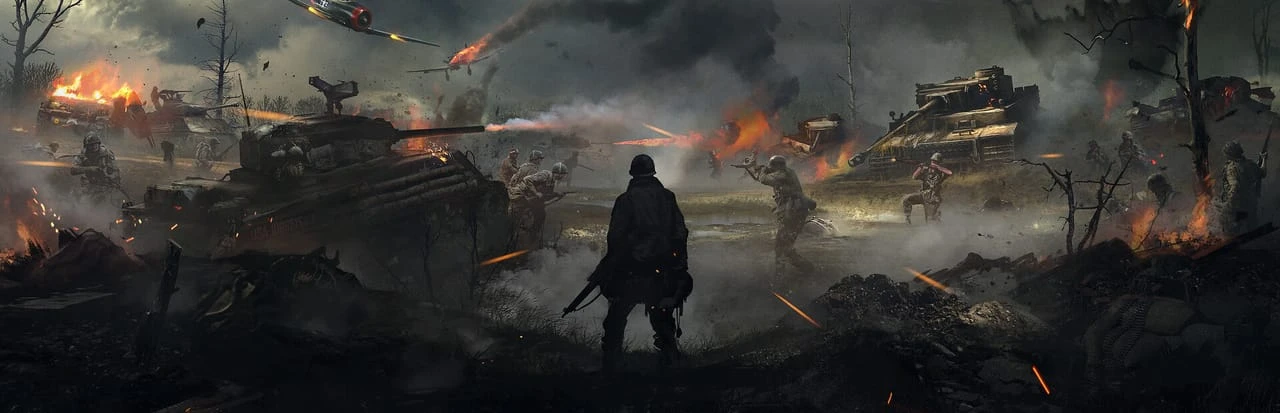
Hell Let Loose
Panzer General
Steel Division: Normandy 44
Company of Heroes
Sudden Strike
Combat Mission: Beyond Overlord
Men of War
Blitzkrieg
Steel Panthers
Panzer Corps
Hell Let Loose