
Hong Kong's Christmas — Maltby and the Surrender
Major-General commands a garrison of some 14,000 men — British, Canadian, Indian and local volunteers — holding the island since the Japanese 38th Division crossed the strait on the night of 18 December. In 17 days, the has been breached, has fallen, and the attackers have seized the water reservoirs that supply the city: thirst now compounds exhaustion. The garrison has been split in 2; atrocities have already stained the hospitals.
Maltby faces a brutal arithmetic. Surrendering this Christmas morning would halt the bloodshed and spare the civilian population a massacre field reports deem imminent — yet handing over 14,000 soldiers to a captivity whose harshness no one yet grasps is irreversible. Fighting to the last man in the peninsula, the final defensible redoubt, would preserve military honour but sacrifice thousands of wounded without altering the outcome. Launching a counter-attack to retake the reservoirs would restore a lifeline and a bargaining chip — provided troops still capable of fighting can be found, which Maltby gravely doubts.
Governor Sir awaits his recommendation. The city is burning, communications are breaking down, and every additional hour of resistance is paid for in soldiers and civilians.
Hong Kong, 25 December 1941, major-general commanding the garrison: what course remains open as the island's defence collapses?
Maltby advised Governor Young to surrender. In the late afternoon, Young made his way to Japanese headquarters and signed the capitulation — the '' — ending 17 days of resistance. Nearly 12,000 prisoners of war would endure years of brutal captivity in camps such as , marked by starvation, disease and ill-treatment.
Learn more about this event
Related polls
10
Brześć — Plisowski faces Guderian
Bulson — Lafontaine and the 02:00 rumour
Calais — Nicholson facing the ultimatum
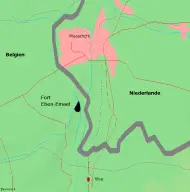
Eben-Emael — Jottrand under the explosions
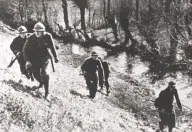
Kock — Kleeberg on the morning of 6 October
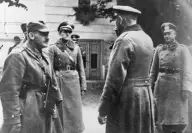
Modlin — Thommée at the last fortress
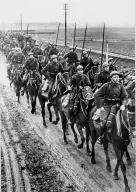
Mokra — Filipowicz and the Volhynian Brigade
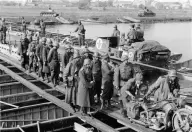
Monthermé — Portzert in the Meuse loop
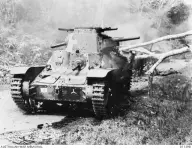
Slim River: Hold or Break?
Stonne — Billotte facing the Panzer column
Brześć — Plisowski faces Guderian
Bulson — Lafontaine and the 02:00 rumour
Calais — Nicholson facing the ultimatum
Eben-Emael — Jottrand under the explosions
Kock — Kleeberg on the morning of 6 October
Modlin — Thommée at the last fortress
Mokra — Filipowicz and the Volhynian Brigade
Monthermé — Portzert in the Meuse loop
Slim River: Hold or Break?
Stonne — Billotte facing the Panzer column
T10-017