
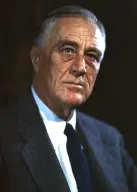
Roosevelt — signing Lend-Lease
After weeks of impassioned national debate, the U.S. Congress passed in early March 1941 the Lend-Lease Act, which authorised the president to supply war materiel to nations whose defence was deemed vital to the United States, without immediate payment. Roosevelt now held a powerful instrument, but had to define its concrete scope.
Great Britain, out of foreign currency, was awaiting massive and rapid aid. But other candidates were emerging: China at war with Japan, invaded Greece, and soon perhaps others. Roosevelt also knew that every dollar and every ship sent abroad meant resources withdrawn from a still-fledgling American rearmament, and that the isolationists were watching for any misstep.
The president had to decide on the first major allocation of credits — 7 billion dollars — and on the scope of the scheme: concentrate the aid on Great Britain alone, the first bulwark; open it from the outset to all of the Axis's adversaries; or dose it prudently so as not to weaken America's own defence. The choice engaged the very nature of the American role in the war.
How should Roosevelt orient Lend-Lease aid?
Roosevelt signed the law on 11 March 1941 and in the immediate term favoured A — Great Britain was the great beneficiary — while laying the foundations of B: the scheme would be extended to China, then, after June 1941, to the USSR. Entrusted to 's administration but in reality steered by , Lend-Lease became the great material instrument of the Allied coalition: tens of billions of dollars of weapons, food and raw materials, with no immediate repayment requirement. It was the act that made the still-neutral United States the effective 'arsenal of democracy,' and that sealed their commitment to the war nearly 9 months before Pearl Harbor. Churchill would call it 'the most unsordid act in history.'
Learn more about this event
Related polls
10
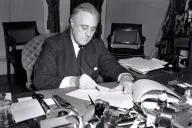
Aiding London without entering the war?
Secret staff talks in Washington
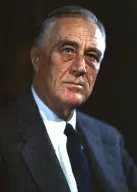
Roosevelt and aid to Britain — December 1940
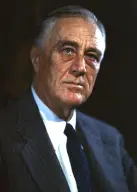
Roosevelt and the Japanese Advance
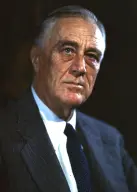
Roosevelt — Lend-Lease before Congress
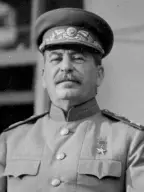
Stalin and the warnings of spring 1941
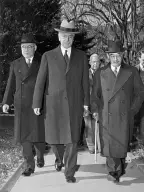
Nomura and the Hull Note: Diplomacy on the Brink
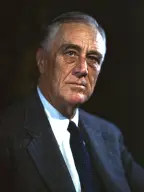
Roosevelt — Arm England?
Roosevelt — destroyers for bases
Arcadia — Germany or Japan First?
Aiding London without entering the war?
Secret staff talks in Washington
Roosevelt and aid to Britain — December 1940
Roosevelt and the Japanese Advance
Roosevelt — Lend-Lease before Congress
Stalin and the warnings of spring 1941
Nomura and the Hull Note: Diplomacy on the Brink
Roosevelt — Arm England?
Roosevelt — destroyers for bases
Arcadia — Germany or Japan First?
T07-003