
Bataan: Holding On Through Hunger and Fever
An American-Filipino soldier of the garrison has been fighting since early January 1942 in the mountainous jungle of the peninsula, on the island of . He and his comrades call themselves the Battling Bastards of , the men the homeland has left to hold out alone: no air cover, no naval support, no near hope of reinforcement or resupply.
The garrison, several tens of thousands of men, has fallen back onto the tip of the peninsula, its back to the sea. From the opening of the battle, food was cut to half rations; by early February rice is running short and meat is hunted among the carabao, the monkeys and the snakes. Without quinine, the ranks are eaten away by malaria, dysentery and dengue: evacuations to the field hospitals climb week by week. Many men have already lost part of their body weight and stay on their feet out of habit.
The soldier must decide how to endure on this line: hold his position at all costs despite hunger and fever; spare his strength by cutting back offensive patrols to fight only on the defensive; or take to the mountains to join the Filipino irregulars and carry on the fight as a guerrilla.
Bataan, February 1942, a soldier of the besieged garrison: how to hold on against hunger and disease?
The vast majority of the defenders held the line to the end. Rations collapsed further — from about 2,000 calories to under 1,000 by March-April — and malaria became overwhelming: hospitalisations rose from 500 a day in early March to 1,000 a day in early April, with nearly every man afflicted. Starving, fever-ridden and out of everything, the garrison resisted for 99 days before General Edward King surrendered on 9 April 1942 — the largest surrender in American military history. The prisoners were at once subjected to what became known as the Death March. A few fighters, refusing captivity, took to the mountains and swelled the ranks of the Filipino guerrillas, who harried the occupier until 1945.
Learn more about this event
Related polls
10
At the Gates of Moscow, in the November Frost
Manila or Bataan?
Vyazma, October 1941: the militia faces the onslaught
Dunkirk: the Beach Under the Bombs
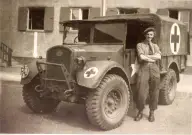
Rosendaël, 2 June 1940: the Wounded Who Cannot Leave
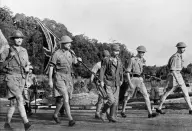
Percival and Yamashita's Ultimatum
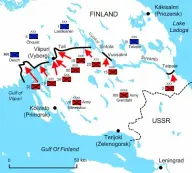
Talvela at Vyborg — 17 February
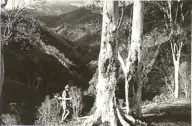
The Lost Company of Timor
Demyansk: hold the pocket or break out?
Grodno — the harcerze on Skidelska Street
At the Gates of Moscow, in the November Frost
Manila or Bataan?
Vyazma, October 1941: the militia faces the onslaught
Dunkirk: the Beach Under the Bombs
Rosendaël, 2 June 1940: the Wounded Who Cannot Leave
Percival and Yamashita's Ultimatum
Talvela at Vyborg — 17 February
The Lost Company of Timor
Demyansk: hold the pocket or break out?
Grodno — the harcerze on Skidelska Street
T10-079