Lieutenant-General holds an ultimatum signed by General : surrender before the end of the day, or face a final assault by the Imperial 25th Army on the city itself. Since 8 February, Yamashita's troops have crossed the Strait and torn through the island's outer defences. This morning, the chief engineer informs him that the water reservoirs supplying the city will hold for no more than 24 hours: nearly a million civilians stand on the edge of a major sanitary crisis.
Yet has cabled his orders without ambiguity: 'There must be no thought of surrender.' Percival knows his roughly 85,000 soldiers — British, Australian, Indian — are falling back into a perimeter that shrinks by the hour. What he does not know is that Yamashita is bluffing: his supply lines stretch across 1,100 kilometres of peninsula, and his ammunition stocks are nearly spent.
Percival must choose: surrender to spare the troops and the waterless population from slaughter, at the cost of a historic humiliation; fight street by street, obeying London's order and gambling that Japanese casualties will break the enemy's momentum; or attempt a counter-attack northward to pierce the noose and reopen the supply lines before thirst consumes his own ranks.
Singapore, 15 February 1942, lieutenant-general commanding Commonwealth forces in Malaya: how to answer Yamashita's ultimatum as the water runs out?
Percival surrendered in the late afternoon at the Ford Factory in . Around 80,000 Commonwealth soldiers were taken prisoner — the largest capitulation in British military history. called it the 'worst disaster' ever to befall Britain. The prisoners endured brutal captivity: prison camp, the Burma 'Death Railway'. What Percival never knew: Yamashita was himself running out of ammunition for a sustained assault.
Learn more about this event
Related polls
10
Snow Before Moscow — Zhukov and the Counter-Offensive
Touchon on the Aisne — Fall Rot
Hong Kong's Christmas — Maltby and the Surrender
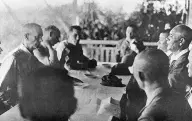
Manila or Bataan?
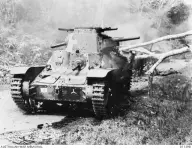
Slim River: Hold or Break?
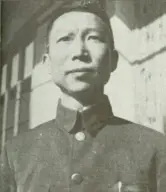
Changsha 1941: Xue Yue Faces the Japanese Offensive
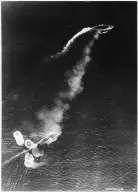
Phillips and Force Z — sail without air cover?
How far to press the advantage?
Zhukov Facing the Void Before Moscow
Kirponos, Kiev and Stalin's Prohibition
Snow Before Moscow — Zhukov and the Counter-Offensive
Touchon on the Aisne — Fall Rot
Hong Kong's Christmas — Maltby and the Surrender
Manila or Bataan?
Slim River: Hold or Break?
Changsha 1941: Xue Yue Faces the Japanese Offensive
Phillips and Force Z — sail without air cover?
How far to press the advantage?
Zhukov Facing the Void Before Moscow
Kirponos, Kiev and Stalin's Prohibition
T10-019