Habbaniya — the RAF base surrounded
In early April 1941, a coup d'etat brought to power in Iraq and the nationalist officers of the 'Golden Square,' hostile to the British presence and favourable to a rapprochement with the Axis. The stake was immense: Iraq and its oil, and the overland route to India. Berlin, preoccupied with the Balkans and the preparation of Barbarossa, promised air aid routed via Vichy Syria.
The British held by treaty the great air base of Habbaniya, west of Baghdad — but it was above all a flying school, equipped with obsolete aircraft and surrounded by a simple wire fence, where some 2,200 servicemen and 9,000 civilians were enclosed. On 30 April, the Iraqi army occupied the plateau overlooking the base and summoned the British to halt all flying.
The base commander, Air Vice-Marshal , was forced to choose: submit to the Iraqi ultimatum and ground his aircraft, hoping for a diplomatic outcome; attempt a ground sortie to break the encirclement; or strike first, by a preventive air attack on the Iraqi troops massed on the plateau, at the risk of openly igniting war.
Habbaniya, May 1941, you command the RAF base surrounded by Iraqi forces: how to react to the ultimatum?
Smart chose to strike first with a preventive air attack. At dawn on 2 May 1941, Habbaniya's training aircraft, flown by instructors and pupils, bombed the Iraqi positions on the plateau; the Anglo-Iraqi War was unleashed. Despite their dilapidated equipment, the British inflicted heavy losses on the exposed Iraqi columns and broke the siege; reinforcements from Palestine (the 'Habforce' column) completed the campaign. Rashid Ali fled in late May, the pro-British regent was restored, and the meagre German air aid arrived too late and in too small numbers. The victory secured Iraqi oil and the British Middle East rear, and would soon precipitate Allied intervention against Vichy Syria, an Axis transit base.
Learn more about this event
Related polls
10
Władysław Gnyś — the Dorniers over Olkusz
Barbarossa — 3:15 a.m.
The last great night of the Blitz
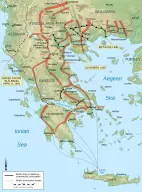
Fort Roupel faces the German summons
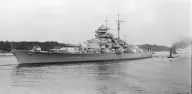
Tovey — the Bismarck running for France
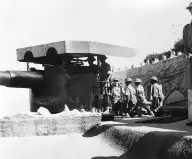
Hong Kong's Christmas — Maltby and the Surrender
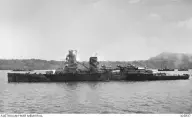
Java Sea — Doorman and the ABDA Squadron
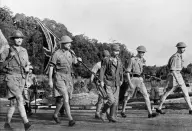
Percival and Yamashita's Ultimatum
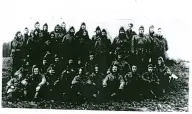
The first jump: a raid with no safety net for the return
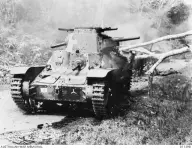
Slim River: Hold or Break?
Władysław Gnyś — the Dorniers over Olkusz
Barbarossa — 3:15 a.m.
The last great night of the Blitz
Fort Roupel faces the German summons
Tovey — the Bismarck running for France
Hong Kong's Christmas — Maltby and the Surrender
Java Sea — Doorman and the ABDA Squadron
Percival and Yamashita's Ultimatum
The first jump: a raid with no safety net for the return
Slim River: Hold or Break?
T07-014