
A Woman at the War Plant Gate
An American woman lives in , in a city the war is reshaping. A mother of young children, she grew up with the idea that a wife keeps her home and that the factory is a man's affair. Yet the men around her are leaving: since Pearl Harbor, the recruiting offices have been packed, and the lines of the great automobile plants are draining of their male workforce.
Since the start of 1942, has become the heart of the : the manufacturers have stopped building civilian cars to turn out tanks, aircraft engines, trucks and ammunition. As mobilisation pulls workers toward the front, the industrialists open their shops to women, recruit through posters and classified ads, and promise wages unheard of in the jobs until now reserved for women. Prejudice runs strong — her strength, her seriousness, her place on a line are all doubted — and nothing is arranged for childcare during the long working shifts.
She must decide how to answer this new offer: report for hiring and enter the war plant despite the stares and the childcare problem; stay home as custom demands and keep the house while the men are away; or instead join the auxiliary services or volunteer work, judged more proper for a woman.
Detroit, February 1942, an American woman: should she walk through the war plant gates when society expects her to stay home?
Driven by the labour shortage and the patriotic appeal, millions of women walked through the war plant gates between 1942 and 1945, embodied in the figure of — born of a 1942 song before becoming the icon of the home front. The female share of the U.S. workforce rose from about 27% to nearly 37%, and more than 6 million women joined industry; in and Michigan, which alone produced nearly 30% of the country's war material, they became indispensable to the aircraft and armament lines. Their work sustained a historic surge in production. But once victory came, they were sent back home to return the jobs to demobilised soldiers: as early as 1945, women workers at a Ford plant in Michigan publicly protested their dismissal in favour of less experienced men.
Learn more about this event
Related polls
10
The Coastal Lights and the U-boats
The West Coast Under Pressure — Roosevelt and EO 9066

The First Ration Books: Keeping Shop Under Rationing
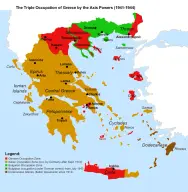
Athens, the Winter of Hunger
Kiev, 29 September 1941: The Posted Notice

The Church in a Threatened Moscow

The Hermitage as the siege closes in
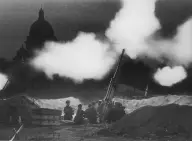
The Kirov Plant Under the Shells
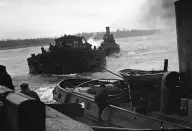
Leningrad: The First Ice on Lake Ladoga
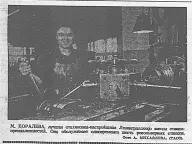
Moscow, 16 October 1941: The Day of Great Panic
The Coastal Lights and the U-boats
The West Coast Under Pressure — Roosevelt and EO 9066
The First Ration Books: Keeping Shop Under Rationing
Athens, the Winter of Hunger
Kiev, 29 September 1941: The Posted Notice
The Church in a Threatened Moscow
The Hermitage as the siege closes in
The Kirov Plant Under the Shells
Leningrad: The First Ice on Lake Ladoga
Moscow, 16 October 1941: The Day of Great Panic
T10-098