
The Coastal Lights and the U-boats
A mayor of a resort town on the Florida coast runs a city that lives off winter: the seafront hotels are full, the lit boardwalks draw visitors fleeing the cold of the North, and the season's takings sustain shopkeepers, restaurateurs and workers. The war, declared since , still feels distant on this sunlit shore.
Since January, however, German submarines have launched Operation Paukenschlag — "drumbeat," codenamed Drumbeat — along the American east coast. At night the U-boats surface offshore and lie in wait for the tankers and freighters hugging the coastline. These ships stand out in sharp silhouettes against the lights of the coastal cities, from to , which keep their boardwalks and signs ablaze. Every glow of light turns a vessel into an easy target for a torpedo. The Navy and federal authorities press the municipalities to switch off, yet no strict obligation is imposed on the towns.
The mayor must decide: impose a full blackout of the seafront despite the looming collapse of tourist revenue; negotiate a partial dimout that mutes the signs without plunging the city into darkness; or refuse, judging the threat exaggerated and the season too precious.
Florida, February 1942, a seaside-town mayor: should a blackout be imposed at the risk of ruining the tourist season?
The east-coast resort towns resisted at first, fearing for tourism, and the lights stayed on for weeks. Only in the spring of 1942 was a coastal dimout truly imposed — first recommended, then made mandatory along the shore from Florida to New Jersey. The delay was paid for dearly: during this U-boat "happy time," hundreds of Allied ships were sunk off the American coast in the early months of 1942, among them more than 120 tankers in a matter of months, their crews killed or burned a few miles from shore. The merchant marine suffered one of its heaviest bleedings of the war there, until blackout, convoys and escorts finally closed the hunting ground.
Learn more about this event
Related polls
10

A Woman at the War Plant Gate
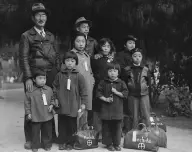
A Few Days to Settle Everything Before Evacuation
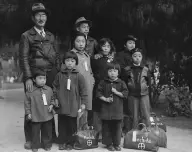
The West Coast Under Pressure — Roosevelt and EO 9066
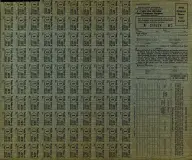
The First Ration Books: Keeping Shop Under Rationing
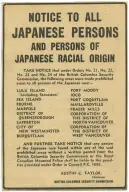
Pacific Coast: Stay or Report to the Assembly Centre?
Burma: Fleeing Rangoon Before the Japanese Tide
Before the Tribunal: Conscience Against the Uniform
Darwin: what to tell the nation?
Feeding Her Children in the Paris Winter of 1942
The Circular That Divided Norway's Schools
A Woman at the War Plant Gate
A Few Days to Settle Everything Before Evacuation
The West Coast Under Pressure — Roosevelt and EO 9066
The First Ration Books: Keeping Shop Under Rationing
Pacific Coast: Stay or Report to the Assembly Centre?
Burma: Fleeing Rangoon Before the Japanese Tide
Before the Tribunal: Conscience Against the Uniform
Darwin: what to tell the nation?
Feeding Her Children in the Paris Winter of 1942
The Circular That Divided Norway's Schools
T10-095