
The First Ration Books: Keeping Shop Under Rationing
An American neighborhood shopkeeper has run a modest grocery in Chicago for years, knowing his customers by their first names and settling his orders at the counter. Seven weeks after the attack on , the civilian economy tips under the control of the war effort, and the daily life of a corner store changes its rules overnight.
Rubber, cut off by Japanese conquests in Southeast Asia, is running short for the army. The , the federal agency created under to regulate prices and distribution, launched tire rationing in late December 1941: no more than 5 tires per driver, doled out sparingly by local boards. Since 1 January 1942, the sale of new automobiles has been frozen. Sugar, whose shipments from the Caribbean are growing scarce, will be the next item to be rationed, with coupon books handed out family by family. Prices, meanwhile, are capped.
The shopkeeper must decide how to get through this tightening: comply with the 's rules, reorganize his runs into carpooling and accept reduced stock; hurriedly build up reserves of sugar and tires before the restrictions bite; or turn to the gray market, where tires and goods change hands under the table at a steep price.
Chicago, January 1942, a neighborhood shopkeeper: how to weather the start of wartime rationing?
The great majority of shopkeepers and families complied with rationing, which spread in 1942 to sugar, gasoline, coffee, meat, and shoes, overseen by the and nearly 8,000 local boards. Coupon books, beginning with the "Sugar Book" of May 1942, became part of daily life until 1945. Preventive hoarding was denounced as unpatriotic, and the black market, though real, stayed marginal: the rubber shortage above all encouraged carpooling and speed limits. Rationing, presented as a civic contribution to victory, drew broad support and made the home front an accepted cog in the American war effort.
Learn more about this event
Related polls
10

A Woman at the War Plant Gate
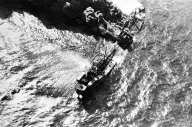
The Coastal Lights and the U-boats
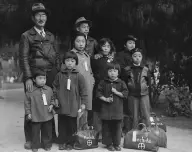
A Few Days to Settle Everything Before Evacuation
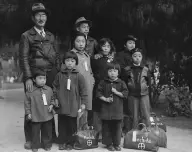
The West Coast Under Pressure — Roosevelt and EO 9066
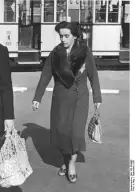
Berlin: An Order for "Evacuation to the East"
Blockade and Famine: A Gap for Greece?
Feeding Her Children in the Paris Winter of 1942
Pacific Coast: Stay or Report to the Assembly Centre?
Le Chambon-sur-Lignon: Hide Them or Hand Them Over?
The Village and the Men of the Woods
A Woman at the War Plant Gate
The Coastal Lights and the U-boats
A Few Days to Settle Everything Before Evacuation
The West Coast Under Pressure — Roosevelt and EO 9066
Berlin: An Order for "Evacuation to the East"
Blockade and Famine: A Gap for Greece?
Feeding Her Children in the Paris Winter of 1942
Pacific Coast: Stay or Report to the Assembly Centre?
Le Chambon-sur-Lignon: Hide Them or Hand Them Over?
The Village and the Men of the Woods
T10-094