
General holds in his hands the fate of , 's only major port and the strategic linchpin without which neither the armies of the subcontinent nor 's China can be supplied. Since the front collapsed, Japanese columns have been swallowing miles every day, while British, Indian and Burmese defenders, nerves shredded, fall back in disorder. In the city itself, the civilian exodus and looting have paralysed the port districts; the docks are cluttered with stores that no one has yet had time to destroy.
Hutton weighs 3 options of unequal promise. Ordering a methodical evacuation, blowing up the refineries, depots and port facilities, then withdrawing northward to preserve a fighting army, would irreversibly sever the . Holding street by street and keeping the port open at all costs would maintain the logistical lifeline, but at the risk of encircling a garrison already exhausted. Launching a counter-attack to drive the Japanese back beyond the would appeal to headquarters in Delhi and Chongqing, but the units available lack artillery, armour and any offensive momentum.
Every hour that passes narrows the options. The demolition parties are standing by for orders; the last merchant vessels are still at the quays. Hutton knows that the decision he makes tonight will commit hundreds of thousands of fighting men and the fate of a supply route linking 2 theatres of war.
Rangoon, 25 February 1942, Commander of British Forces in Burma: what must Hutton do to salvage whatever can still be saved?
Hutton orders the evacuation. falls on 8 March 1942. The is cut, severing China's main supply corridor; must now rely on the airlift over the Himalayas. For the British, the longest retreat in their military history begins: nearly 1,500 kilometres on foot to India, through monsoon rains, harassed by a Japanese army that grants them no respite.
Learn more about this event
Related polls
10
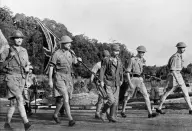
Percival and Yamashita's Ultimatum
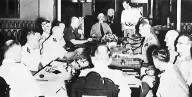
The Impossible Command
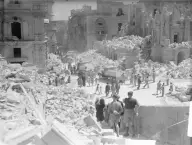
Malta under the bombs: sacrifice the island vs Rommel?
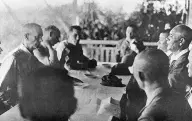
Manila or Bataan?
Phillips and Force Z — sail without air cover?
The Sittang Bridge: Blow It With the Division Behind?
Odessa: evacuate or hold the siege?
Wake: should a carrier be risked to save the garrison?
The Polish Army and the Deployment
"Cromwell" — England, 7 September 1940
Percival and Yamashita's Ultimatum
The Impossible Command
Malta under the bombs: sacrifice the island vs Rommel?
Manila or Bataan?
Phillips and Force Z — sail without air cover?
The Sittang Bridge: Blow It With the Division Behind?
Odessa: evacuate or hold the siege?
Wake: should a carrier be risked to save the garrison?
The Polish Army and the Deployment
"Cromwell" — England, 7 September 1940
T10-046