
Ceylon Under Threat — Defending the Gate of the Indian Ocean
The British commander-in-chief responsible for Ceylon, in this month of February 1942, takes the measure of the disaster that has just struck the Empire. Singapore fell on 15 February, handing the Japanese tens of thousands of prisoners and the great Far Eastern naval base. The Japanese drive westward now seems unchecked, and the island of Ceylon finds itself in the front line.
Ceylon is not just one possession among others. Its ports — Colombo on the western coast and Trincomalee in the east — command the sea route to India and the Middle East, through which pass the oil, reinforcements, and vital supplies of the Allied war effort. To lose the island is to open the Indian Ocean to the carriers of the Imperial Navy and to threaten the junction between the Asian and African theatres. Yet the forces on hand are meagre: a few ageing cruisers and warships, sparse aviation, unfinished coastal defences.
Intelligence warns of a possible surprise carrier strike. The commander must settle his course without delay: concentrate fleet and aviation at Ceylon to defend the ports, at the risk of offering them as a target to a sudden attack; disperse the forces to a secret base in the Maldives, Addu Atoll, to preserve the bulk of the fleet; or give priority to the ground reinforcement of Colombo and Trincomalee, accepting that the sea will be left more exposed.
Colombo, February 1942, the commander-in-chief in Ceylon: how to parry a Japanese thrust into the Indian Ocean?
The British command chose to preserve its fleet rather than expose it in Ceylon's ports. A secret base was built at Addu Atoll in the Maldives ("Port T"), and the , entrusted in March 1942 to Admiral , operated there at a distance, its Ceylon ports judged indefensible against a determined attack. From 31 March to 10 April 1942, the carrier force of struck Colombo on 5 April, then Trincomalee on 9 April; its aircraft sank the cruisers Cornwall and Dorsetshire, then the carrier , stripped of its aircraft, off Batticaloa — about 307 sailors perished. Having failed to destroy the bulk of the British fleet, the Japanese withdrew; but the , finding the region untenable, fell its main base back to Kilindini in Kenya, temporarily ceding the eastern Indian Ocean to the enemy.
Learn more about this event
Related polls
10
Yamamoto and the Next Offensive
Strike America or hold the Atlantic?
Phillips and Force Z — sail without air cover?
The Route of the Worst Journey in the World
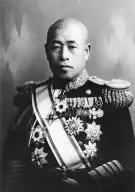
Yamamoto Faces a Strategic Choice, Autumn 1941
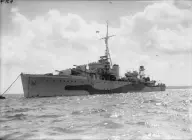
Convoy HG-76 — the escort under the wolf-pack
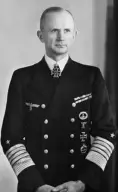
Dönitz and Operation Drumbeat
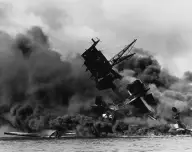
Nagumo off Oahu — the third wave
Odessa, October 1941: The Sea or Death
Wake: should a carrier be risked to save the garrison?
Yamamoto and the Next Offensive
Strike America or hold the Atlantic?
Phillips and Force Z — sail without air cover?
The Route of the Worst Journey in the World
Yamamoto Faces a Strategic Choice, Autumn 1941
Convoy HG-76 — the escort under the wolf-pack
Dönitz and Operation Drumbeat
Nagumo off Oahu — the third wave
Odessa, October 1941: The Sea or Death
Wake: should a carrier be risked to save the garrison?
T10-109