Battleships Stuck in Port for Want of Fuel — Central Mediterranean
Admiral commands in chief the battle forces of the , Italy's navy. A career sailor, he has already led the fleet into action — notably off Cape Matapan in March 1941, where he lost three heavy cruisers and nearly lost his flagship, the battleship . Since then, every sortie by the major units is weighed by the litre of fuel.
The lifeblood of the war in the Mediterranean is the resupply of 's in Libya: without fuel, ammunition and reinforcements carried by sea, the German offensive in North Africa stalls. Yet the Italian convoys crossing to Tripoli are harried without respite by British submarines, aircraft and surface forces based at Malta. To protect them, the battleships would have to be committed. But Italy is desperately short of fuel oil: reserves are so low that the naval staff, the , already rations the fleet's movements and keeps its largest ships in port.
A fresh, crucial convoy is due to sail. Iachino must decide: send out the major units to cover it despite the fuel they burn; dispatch only cruisers and destroyers to save fuel; or leave the fleet in port and entrust protection to aircraft alone.
Central Mediterranean, February 1942, at the head of the Regia Marina, Admiral Angelo Iachino: how should he escort the vital convoys to Libya?
In 1942, the fuel-oil shortage became the decisive factor in Italian naval strategy. Reserves fell so low that the could no longer freely sail its battleships: most convoy escorts to Libya were entrusted to the more economical cruisers and destroyers, the major units sortieing only for operations judged vital. Iachino thus ran escorts on the tightest margins, as at the Second Battle of Sirte in March 1942, where his fleet covered a convoy while driving off the escort of a British convoy bound for Malta. The "Battle of the Convoys" was ferocious: the and the Italian merchant navy paid a heavy toll in ships sunk by Allied submarines, aircraft and surface forces from Malta. With too little fuel landed, Rommel's was in the end starved of the supplies it needed, and the fate of the desert war was settled as much on the sea lanes as in the sands.
Learn more about this event
Related polls
10
Decima MAS: Where to Strike After Alexandria?
Campioni faces Cunningham off Calabria
The Regia Marina against Force H — Cape Spartivento
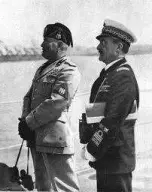
Taranto: The Italian Fleet at Anchor Under the Aerial Threat
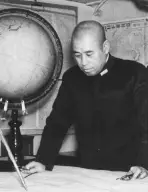
Yamamoto and the Next Offensive
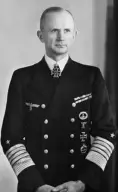
Dönitz and Operation Drumbeat
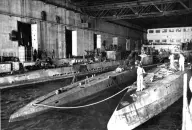
Strike America or hold the Atlantic?
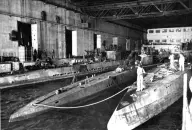
U-123 off the American Coast
An unescorted convoy in the grey morning
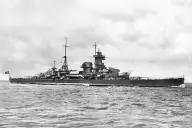
An escort battleship on the convoy's route
Decima MAS: Where to Strike After Alexandria?
Campioni faces Cunningham off Calabria
The Regia Marina against Force H — Cape Spartivento
Taranto: The Italian Fleet at Anchor Under the Aerial Threat
Yamamoto and the Next Offensive
Dönitz and Operation Drumbeat
Strike America or hold the Atlantic?
U-123 off the American Coast
An unescorted convoy in the grey morning
An escort battleship on the convoy's route
T10-107