
1.8 million prisoners
The defeat of 1940 ended in a mass capture: around 1.8 million French soldiers fell into German hands, a large proportion of them in the final days, after Pétain's call to cease fighting. Transferred to Germany, they were distributed among camps — Stalags for the rank and file, Oflags for officers.
For you, the prisoner, captivity settled in for the long term, with no known end. You could endure your detention while awaiting a hypothetical release or the end of the war, working (often by force) for the German economy. Attempt to escape, at the risk of heavy penalties and a most probable recapture. Or seek a particular status (medical, "transformation" into a free worker, the relève scheme) to soften your lot.
The armistice kept the prisoners in captivity as a means of pressure on Vichy. Hundreds of thousands of men, in the prime of life, were thus withdrawn from national life, weighing on families, the economy and the morale of the country. What course will you adopt?
Should our prisoner endure his captivity, attempt to escape, or seek a particular status?
The vast majority lived C: around 1.5 to 1.6 million French prisoners remained held in Germany, many until 1945, employed at labour on farms and in factories. Escapes occurred but remained a minority and risky. Vichy would negotiate limited arrangements (the relève, transformation into "free" workers). The continued captivity of this mass of men — one of the conditions of the armistice — was a German lever of pressure on Pétain's regime and a major social tragedy: families deprived of their breadwinner, the "absent generation", a central theme of Vichy propaganda ("Marshal, give us back our prisoners"). The fate of the prisoners of 1940 weighed on all of occupied France.
Learn more about this event
Related polls
10
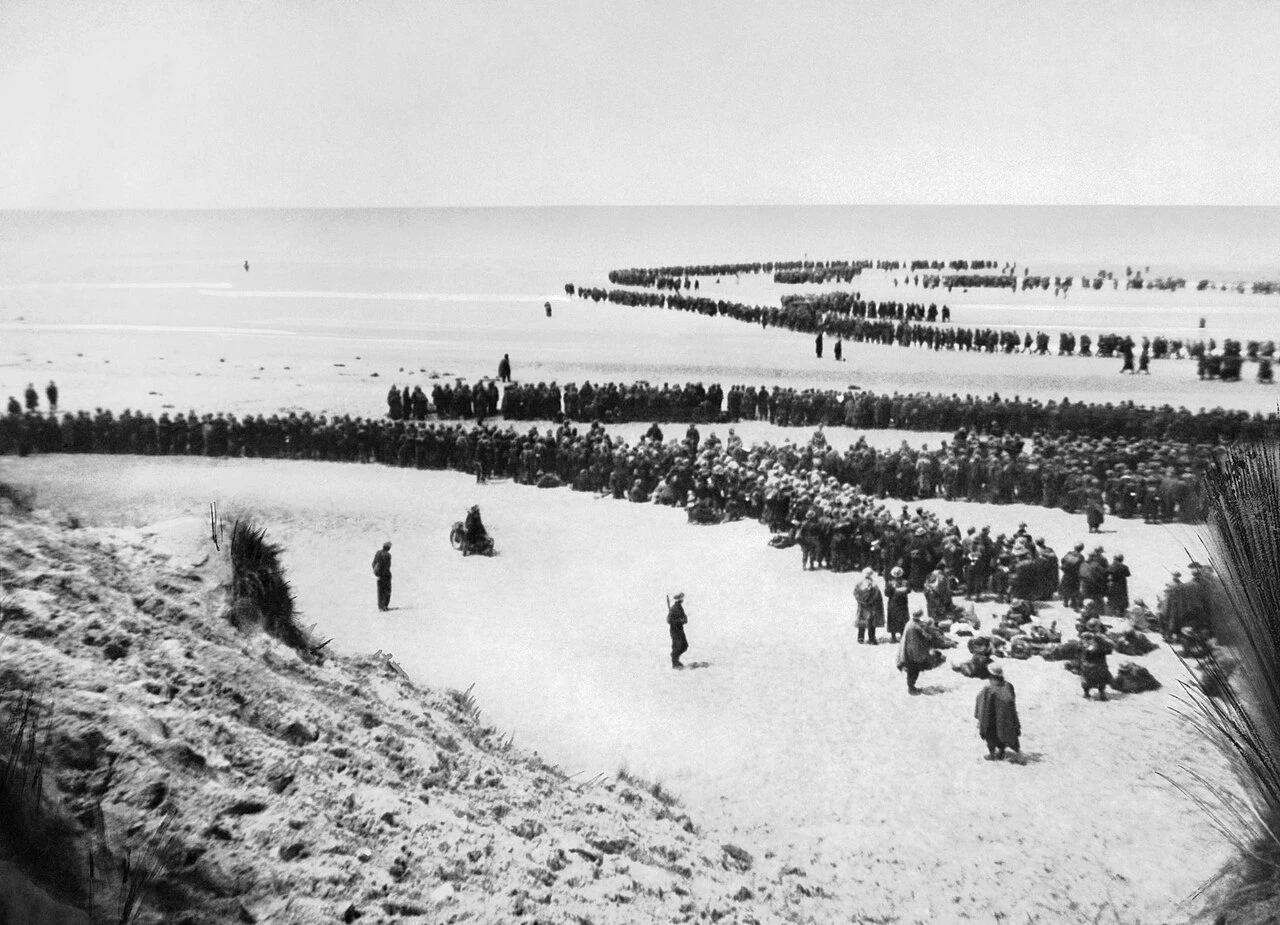
Dunkirk: holding the line under the bombs
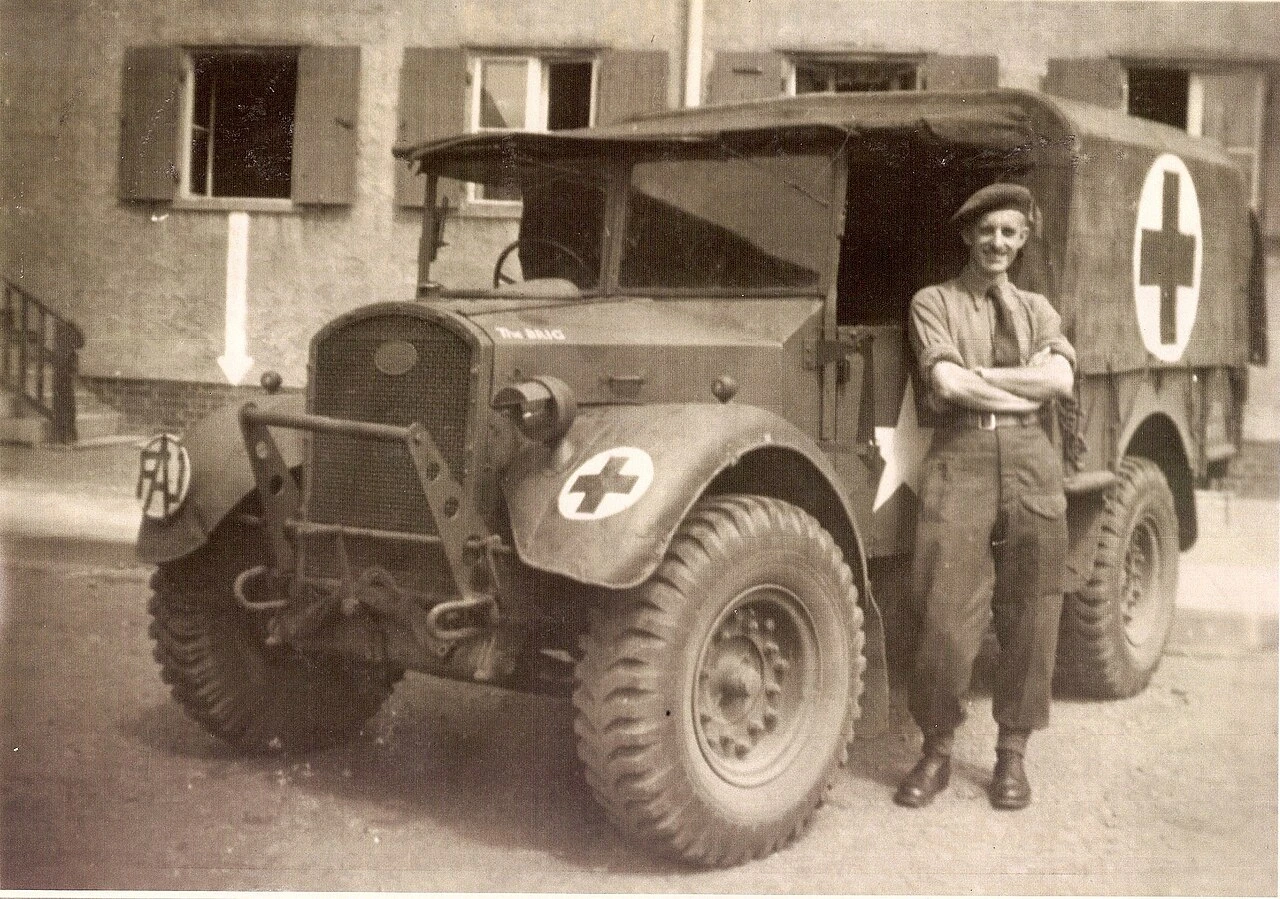
The Drawing of Lots at Rosendaël
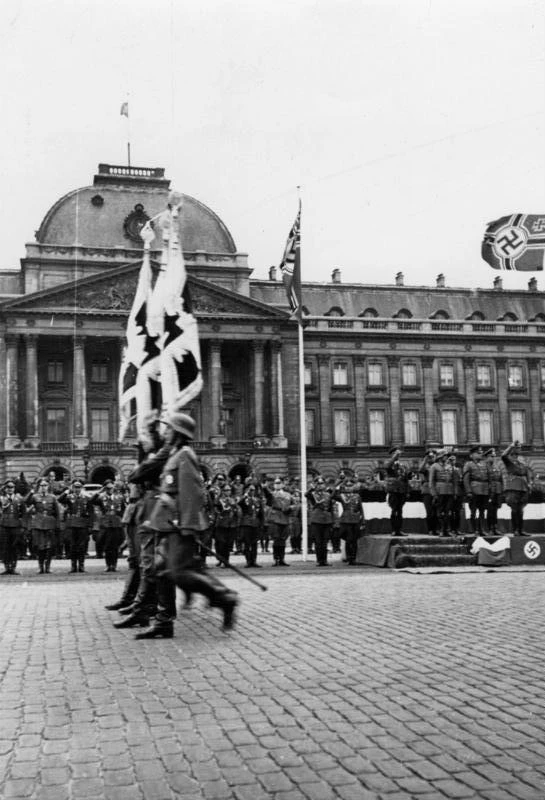
The Isolated Soldier after the Capitulation
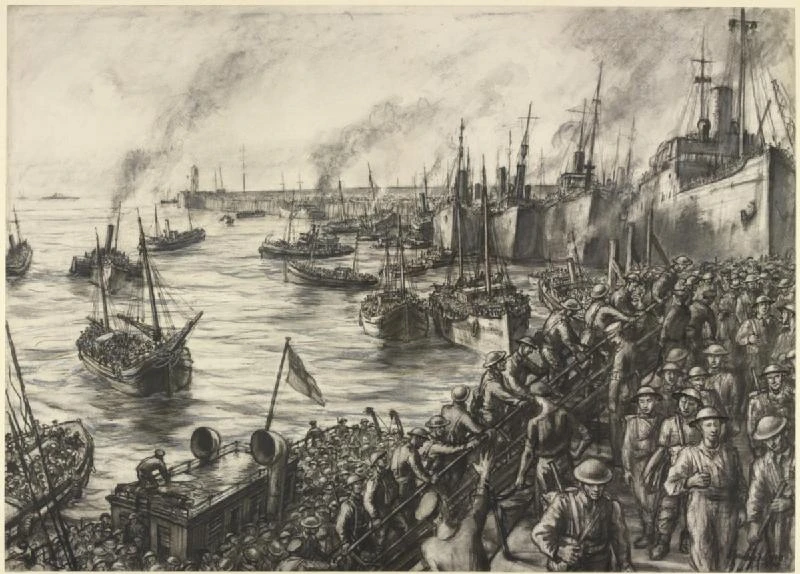
The "little ships" of Dunkirk
The Little Ships — call of 27 May
The Press under German Control
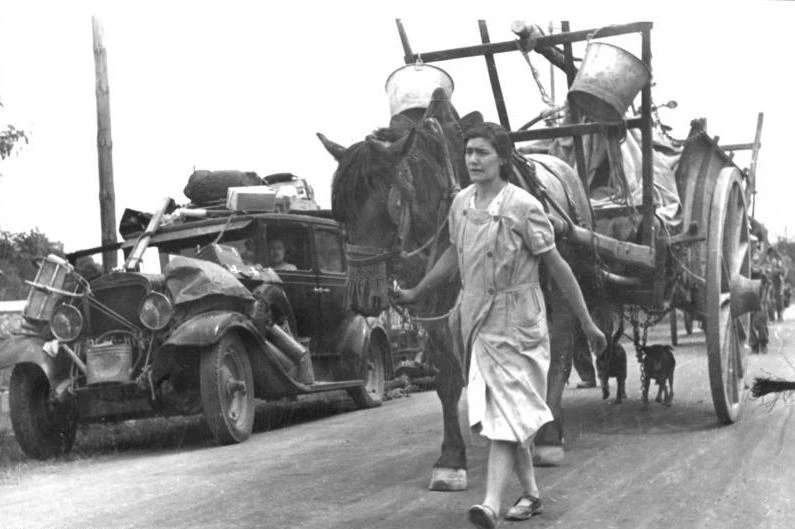
The return from the exodus
The return of the demobilised soldier
The Foreign Volunteers

The burgomaster faced with requisitions
Dunkirk: holding the line under the bombs
The Drawing of Lots at Rosendaël
The Isolated Soldier after the Capitulation
The "little ships" of Dunkirk
The Little Ships — call of 27 May
The Press under German Control
The return from the exodus
The return of the demobilised soldier
The Foreign Volunteers