
Hitler — the Reichstag Speech
By 6 October 1939, the Polish campaign is over. Hitler summons the Reichstag at the Krolloper in Berlin (the usual building having burned in 1933) for a major two-hour speech. On 28 September he had signed the German-Soviet Treaty of Friendship. On 30 September he had held a conference with his military chiefs at which he announced his intention to attack in the West in the autumn of 1939 — a project rejected by Brauchitsch and Halder on grounds of exhaustion of the forces.
Hitler must choose publicly between two strategic options. The first — to give priority to an immediate offensive in the West. The second — to propose a "generous peace" to the Allies in exchange for recognition of the fait accompli in Poland. The latter is supported by some industrialists (Krupp, Thyssen) and even by some generals (Goering) who doubt the Reich's economic capacity to sustain a long war on two fronts.
Allied opinion, after Poland, seems little inclined to compromise. The speech is drafted by Hitler himself with Ribbentrop and , the press chief.
What line to take in the speech of 6 October?
Hitler chooses B. The two-hour speech (published in extenso by the world press) offers "peace" to the Allies on three conditions: recognition of the present frontiers (a partitioned Poland), European economic reorganisation under German leadership, and the return of the German colonies lost at Versailles. He explicitly refuses any discussion of restoring Czechoslovakia or Poland. French response: Daladier rejects the offer on 10 October 1939 in a speech to the Chamber — "The peace of which Hitler speaks is only a trap." British response: Chamberlain rejects it on 12 October 1939 in the Commons — "There will be no peace until confidence can be restored, and confidence cannot be restored with those who break treaties." Hitler obtains the moral casus belli he was seeking. On 9 October, even before the Allied replies, he signs Directive No. 6 ordering the preparation of Fall Gelb (the western offensive) for November — a date that will be postponed several times for weather and revised plans (and finally unleashed on 10 May 1940). The 6th of October 1939 thus marks the turning point: war becomes inevitable, and Hitler can present it as imposed by Allied refusal.
Learn more about this event
Related polls
10
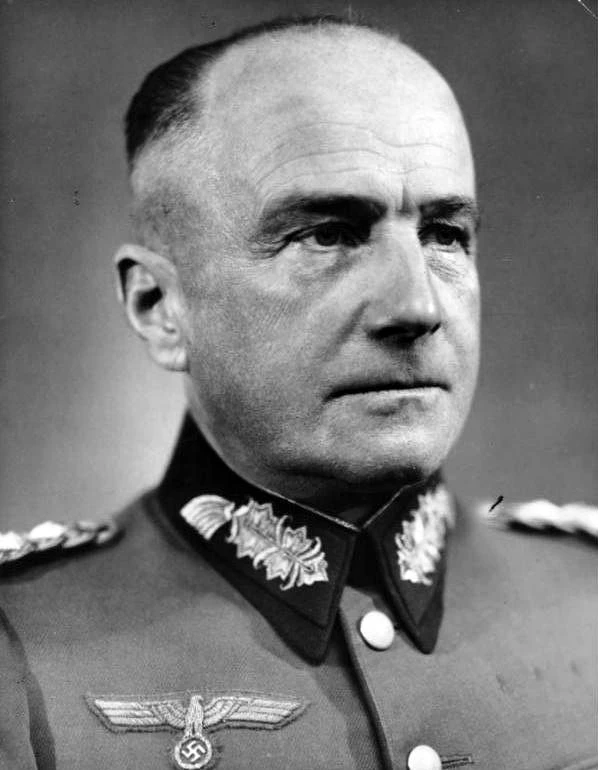
Brauchitsch — Reich Chancellery, 5 November
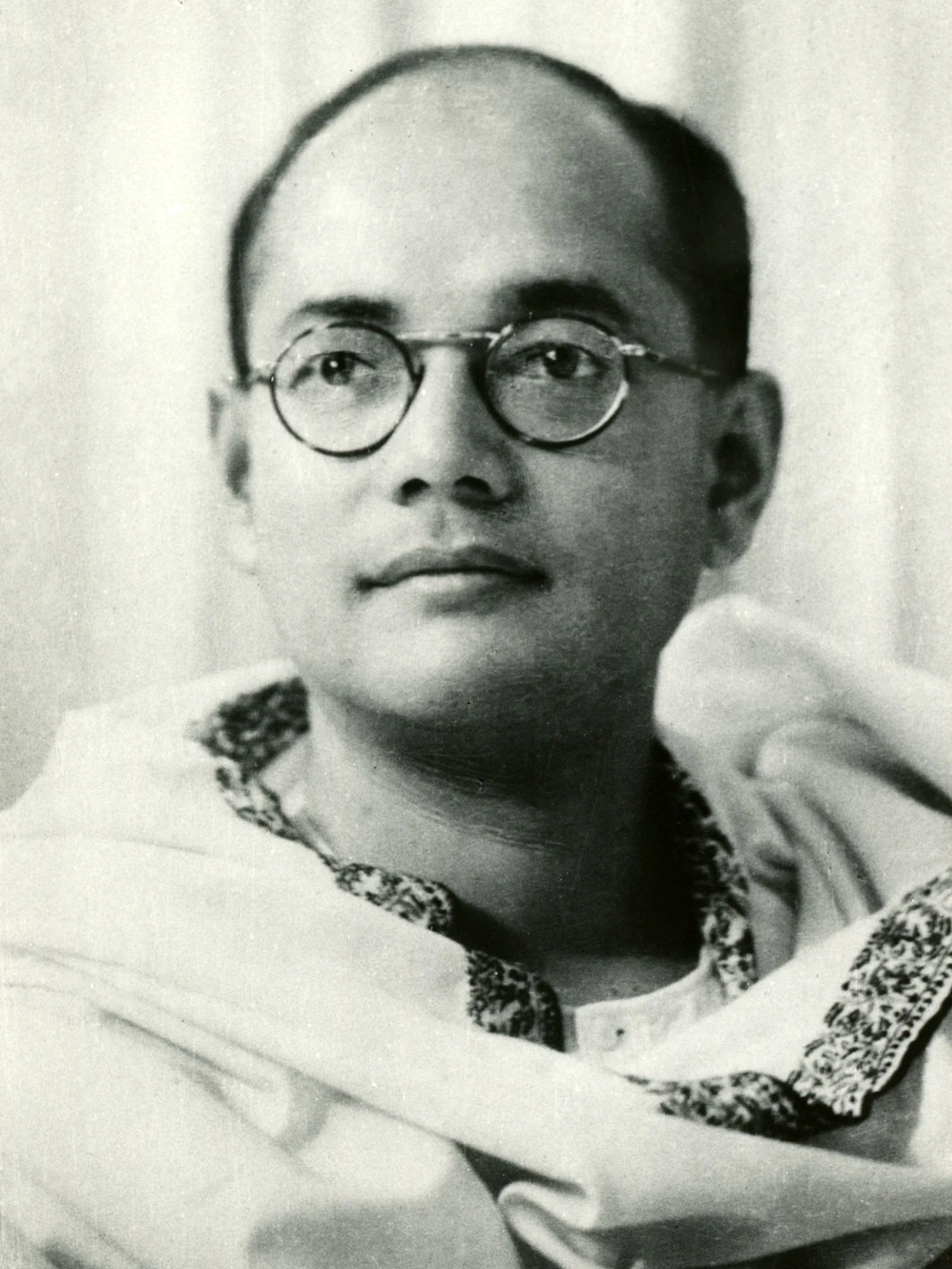
The Indische Legion — Subhas Chandra Bose in Berlin
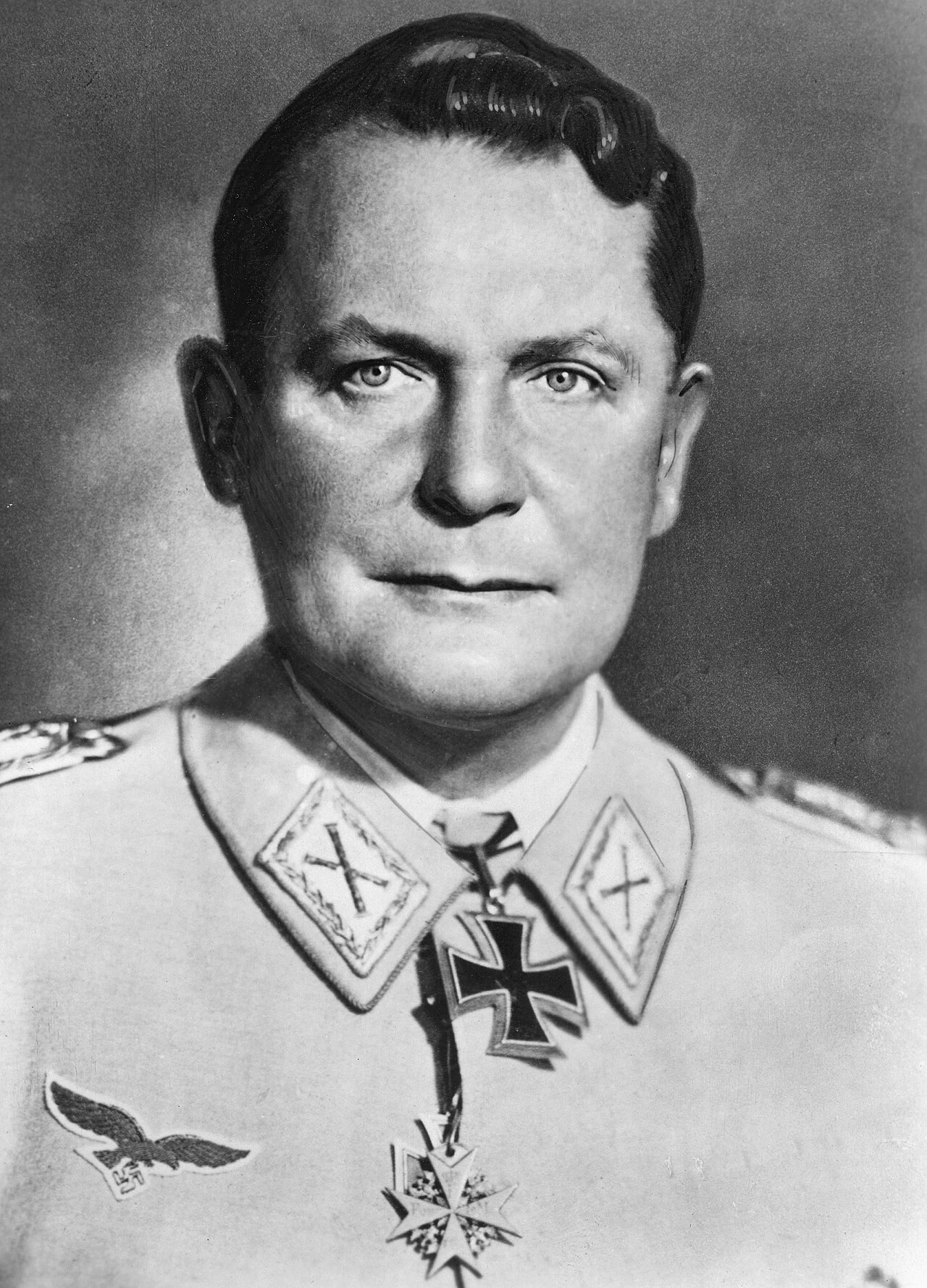
Goering at Carinhall — the promise to Hitler
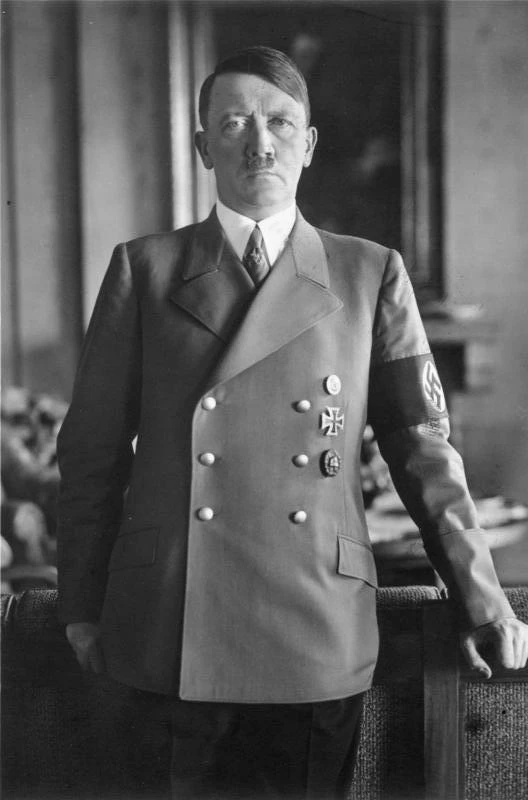
The Obersalzberg Speech
Goering — the economic mobilization plan
Hitler Postpones Fall Weiss
Mussolini on the Riviera — 21 June
Forster — Kashubians and Kociewiacy
Greiser — the Priority of the Wartheland
Hitler at the Sportpalast — 30 January, 8 pm
Brauchitsch — Reich Chancellery, 5 November
The Indische Legion — Subhas Chandra Bose in Berlin
Goering at Carinhall — the promise to Hitler
The Obersalzberg Speech
Goering — the economic mobilization plan
Hitler Postpones Fall Weiss
Mussolini on the Riviera — 21 June
Forster — Kashubians and Kociewiacy
Greiser — the Priority of the Wartheland