
Ten thousand tanks, and nothing on paper
On 20 July 1941, a month after Barbarossa was launched, the State Defense Committee (GKO) signed Decree No. 222ss: produce 10,000 light tanks. The problem is that the tank to be mass-produced does not yet exist on any drawing. At Factory No. 37 in Moscow, engineer has to decide very quickly.
Three paths lie open to him. Continue with the amphibious T-40 already in production, though its floating hull, complex and costly, slows down the assembly lines. Develop a more ambitious land-based version, better armored and better armed, at the cost of more tooling and longer delays. Or start over from an already-sketched non-amphibious prototype, radically simplified, one that could be built on existing automobile lines.
Every day counts: the Wehrmacht is advancing, and the has lost thousands of armored vehicles. The tank that is chosen will soon equip entire converted factories.
Which light tank should Astrov propose to meet the GKO's mass-production order?
Astrov chose radical simplification. Together with Lieutenant Colonel Okunev, he wrote directly to Stalin to make the case for a non-amphibious tank, derived from the T-30B prototype, that could be mass-produced on automobile assembly lines. The plans were finalized in a week (drawings delivered on 28 July 1941). This tank became the T-60: flotation was dropped in favor of thicker armor, and on Malyshev's suggestion it received a 20 mm TNSh automatic cannon instead of the 12.7 mm machine gun. Mass production began, notably at the GAZ factory in Gorky (led by ), starting in October 1941. Nearly 6,000 T-60s would be produced: a modest tank, but one available in large numbers at the very moment the USSR desperately needed it.
Learn more about this event
Related polls
10
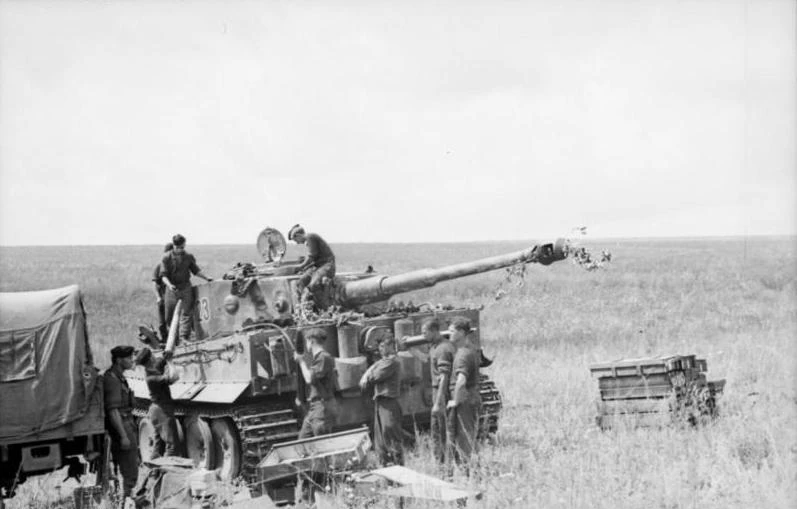
Krupp and the Beast's Cannon
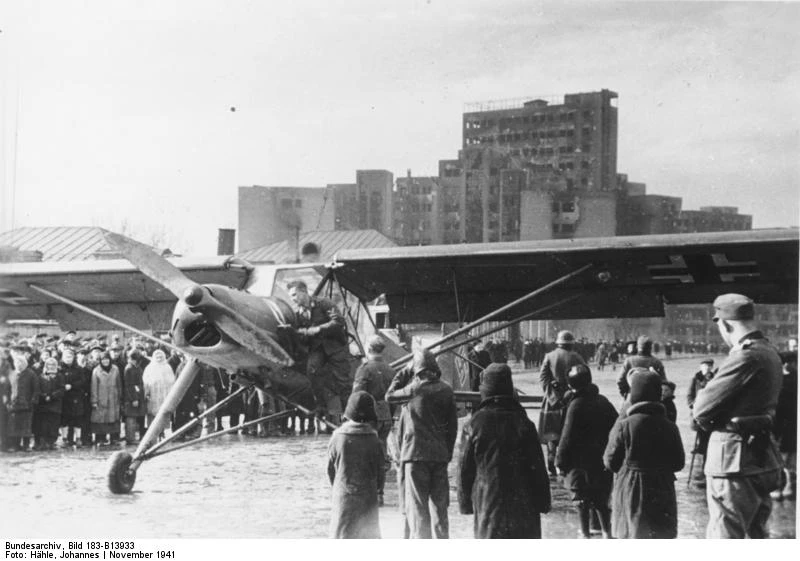
The Kharkov worker facing the dismantling of the tank factory
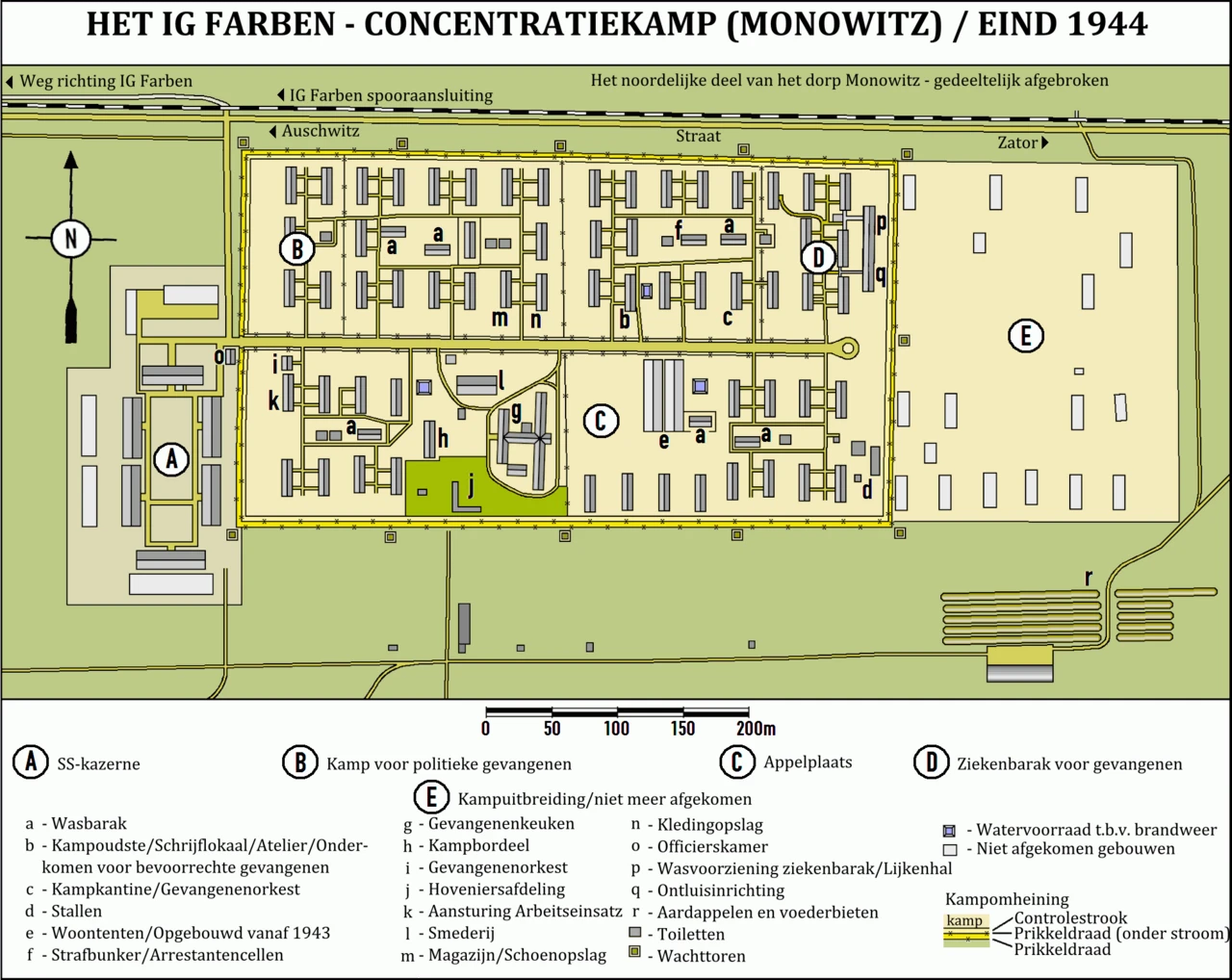
The Monowitz Construction Site
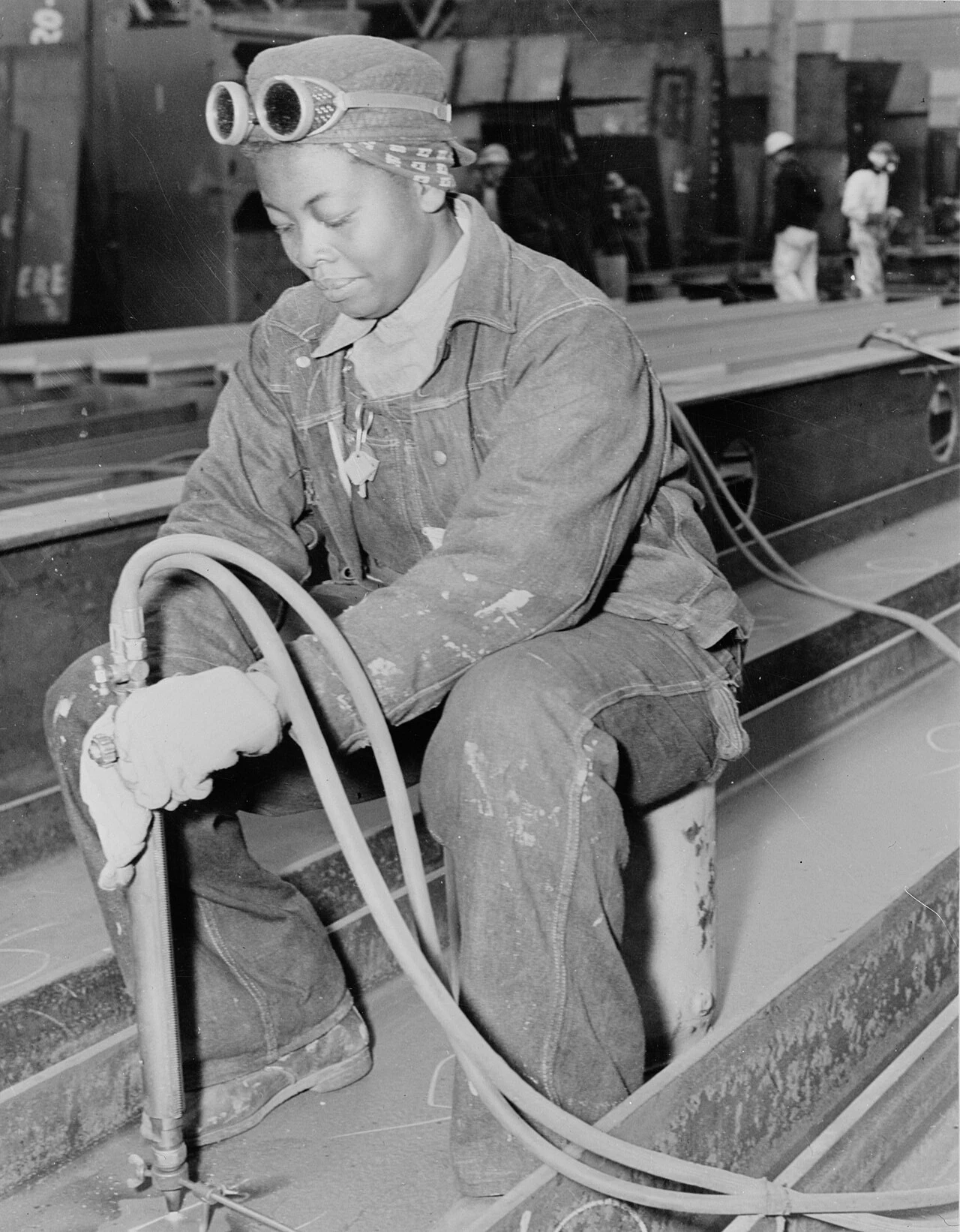
Kaiser, the Rivet and the Electric Arc
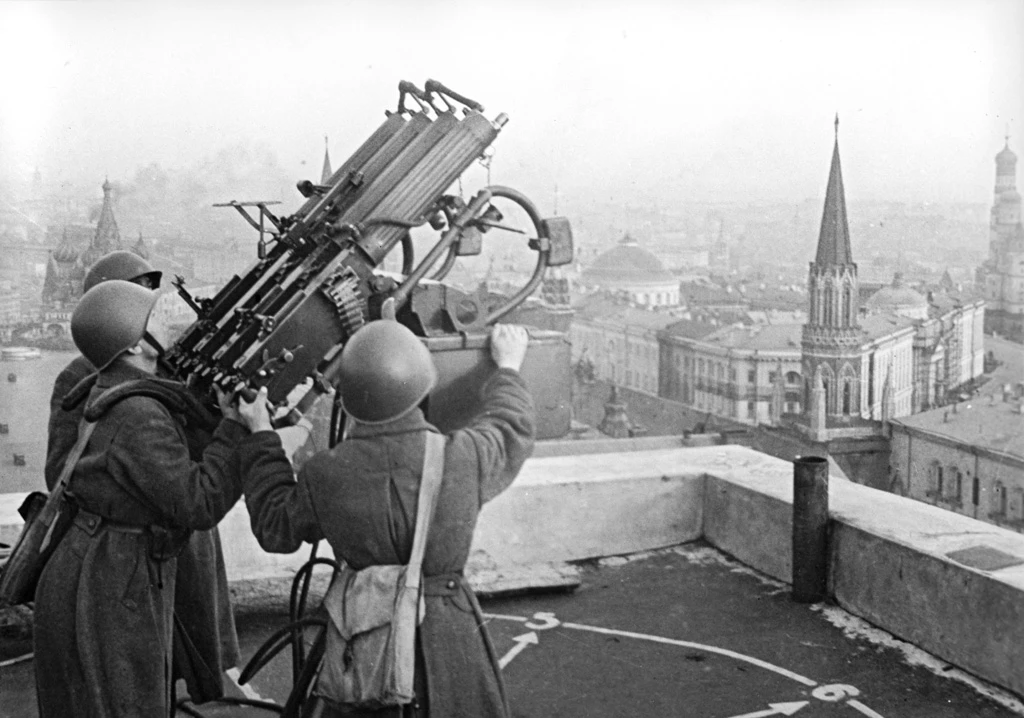
The physics student evacuated from Moscow
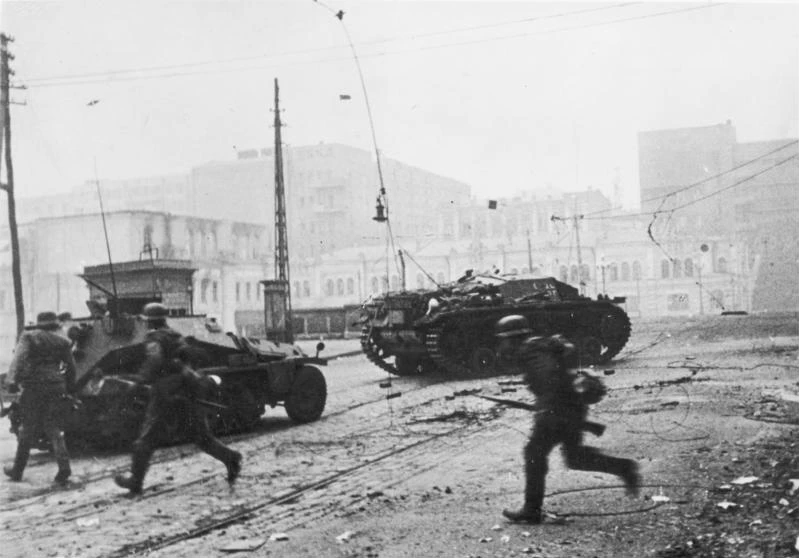
Soviet Sappers at Kharkov
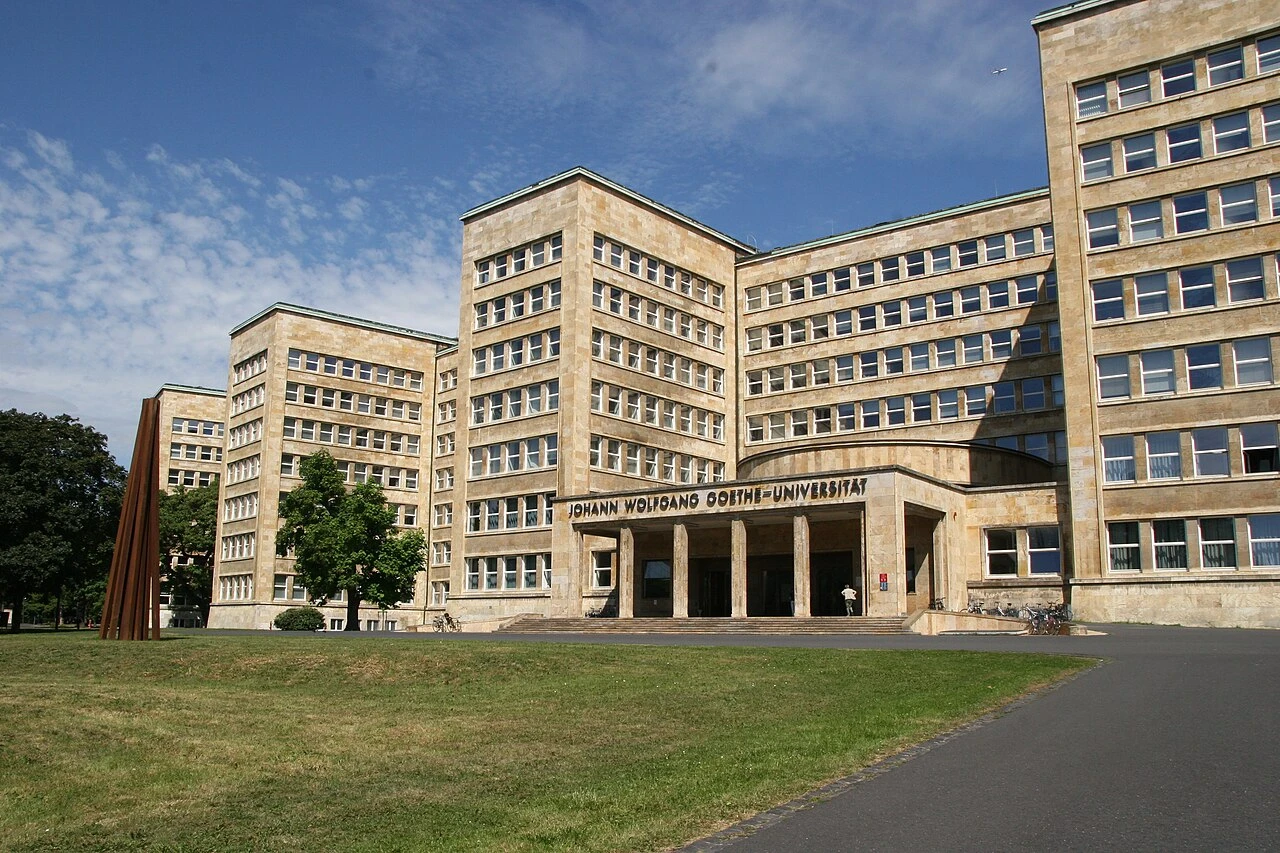
The Fourth Buna — Where to Site the Plant
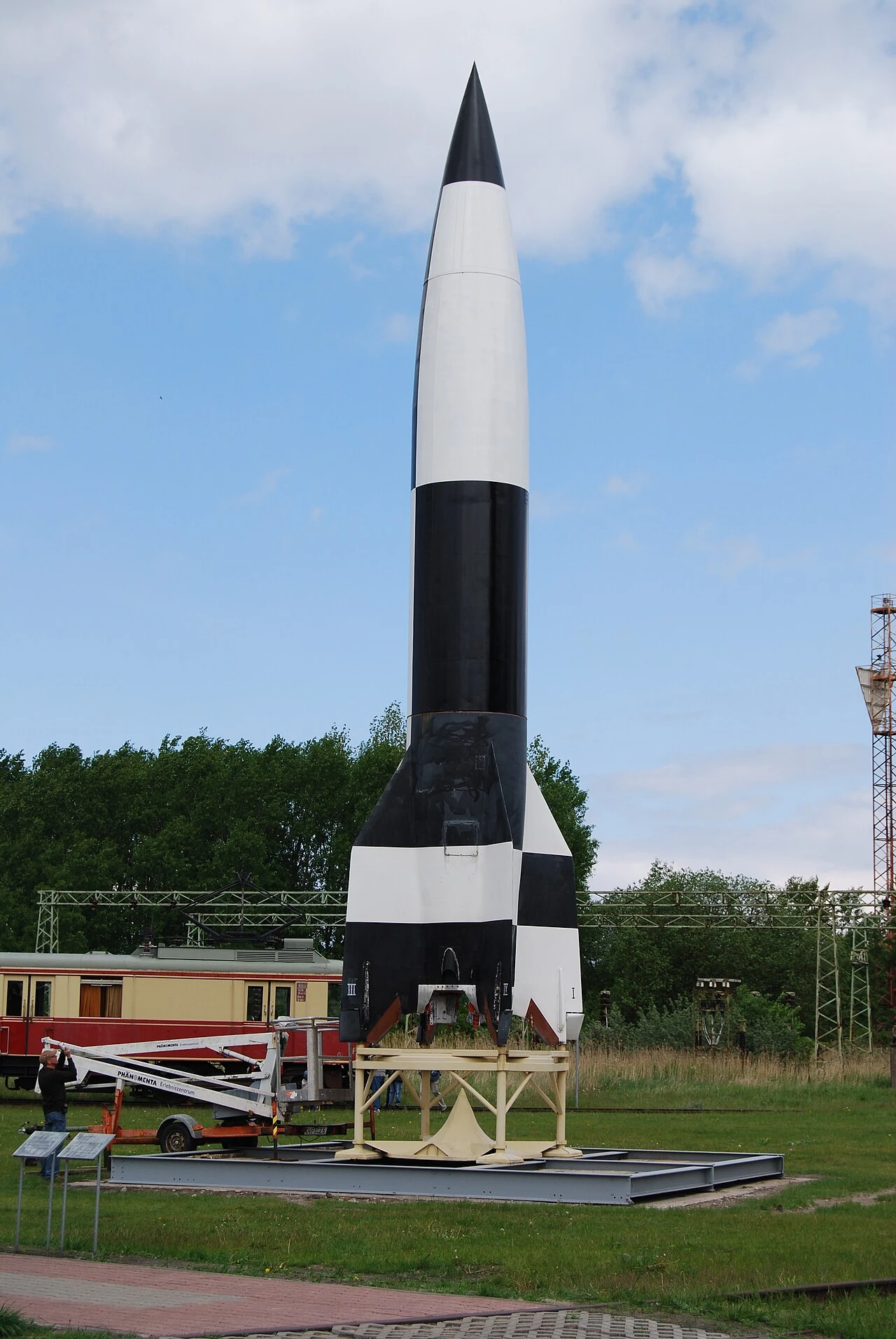
Peenemünde: producing before flying
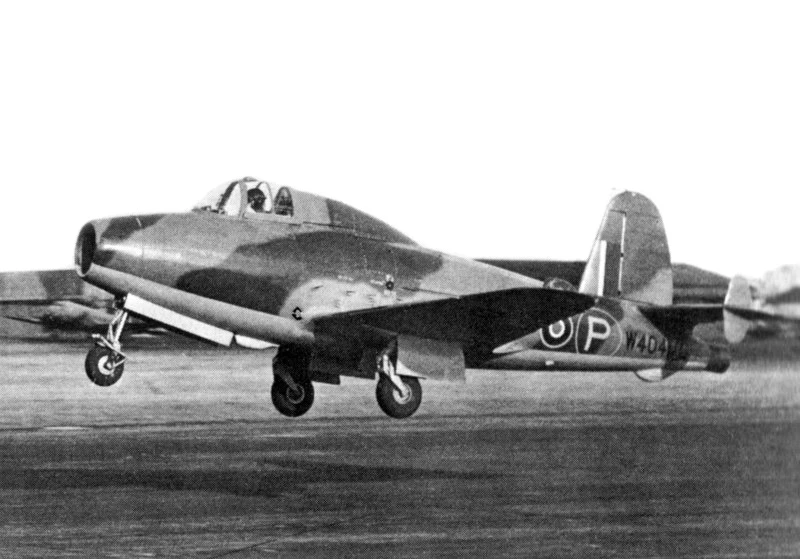
Whittle, his jet engine and the rebellious combustion chamber
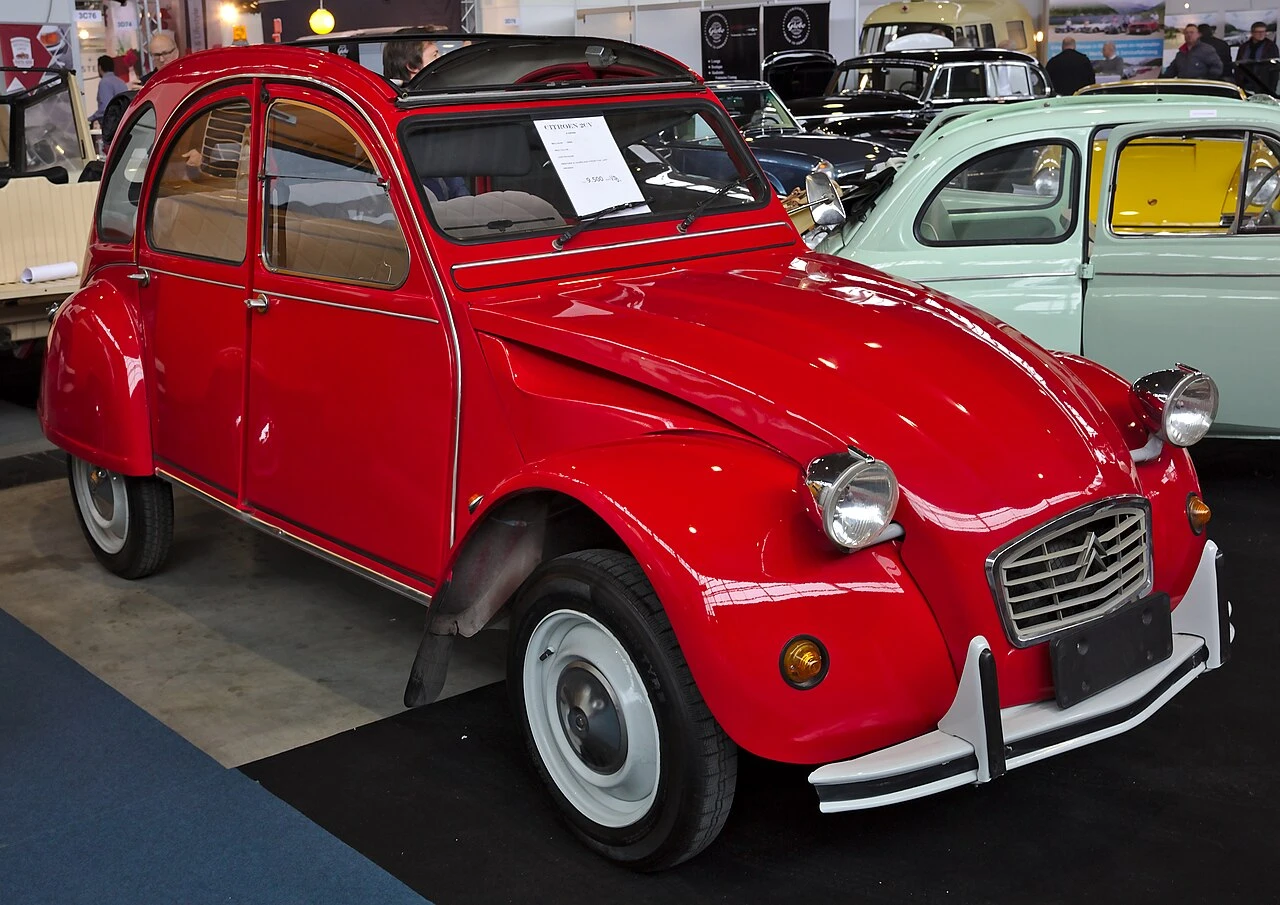
Citroën, the occupier and the secret little car
Krupp and the Beast's Cannon
The Kharkov worker facing the dismantling of the tank factory
The Monowitz Construction Site
Kaiser, the Rivet and the Electric Arc
The physics student evacuated from Moscow
Soviet Sappers at Kharkov
The Fourth Buna — Where to Site the Plant
Peenemünde: producing before flying
Whittle, his jet engine and the rebellious combustion chamber