
The Banque de France holds one of the largest gold reserves in the world, the guarantee of the national currency and the sinews of war. In the spring of 1940, the German breakthrough at Sedan turns a distant threat into an absolute emergency: the gold stored in the Paris vaults could fall into enemy hands.
Moving such a treasure is no trivial matter. Every tonne requires convoys, ships, escorts, and the slightest misstep could deliver the metal to the invader or send it to the bottom of the sea.
The Bank's leadership must decide, and quickly. Keep the gold close at hand, disperse it within the country, or attempt to send it beyond Germany's reach at the cost of a high-risk journey: each option commits the financial future of France.
What should be done with the hundreds of tonnes of gold held by the Banque de France as the Wehrmacht advances on Paris in the spring of 1940?
The Banque de France chose evacuation beyond Germany's reach. From before and during the 1940 campaign, the bulk of the reserves was shipped by sea convoys abroad: the United States, Canada, and above all the colonies, notably Dakar and then Africa (some of the gold would end up in Kayes, in French Sudan). A fraction remained hidden in mainland France. Under the Occupation, Vichy would have to hand over gold to cover occupation costs and to transfer to Germany gold held on deposit (including Belgian gold), an episode that would give rise to a long postwar dispute.
Learn more about this event
Related polls
10
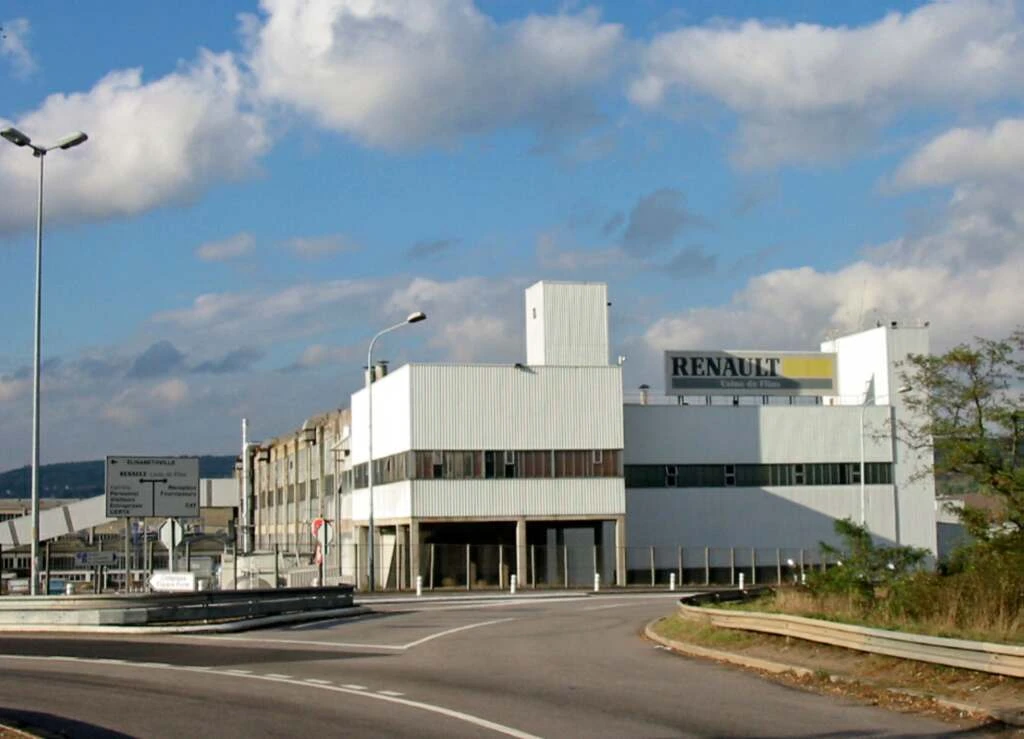
Billancourt under threat: the old boss and his machines

Citroën under the Occupation: the boss faces German orders
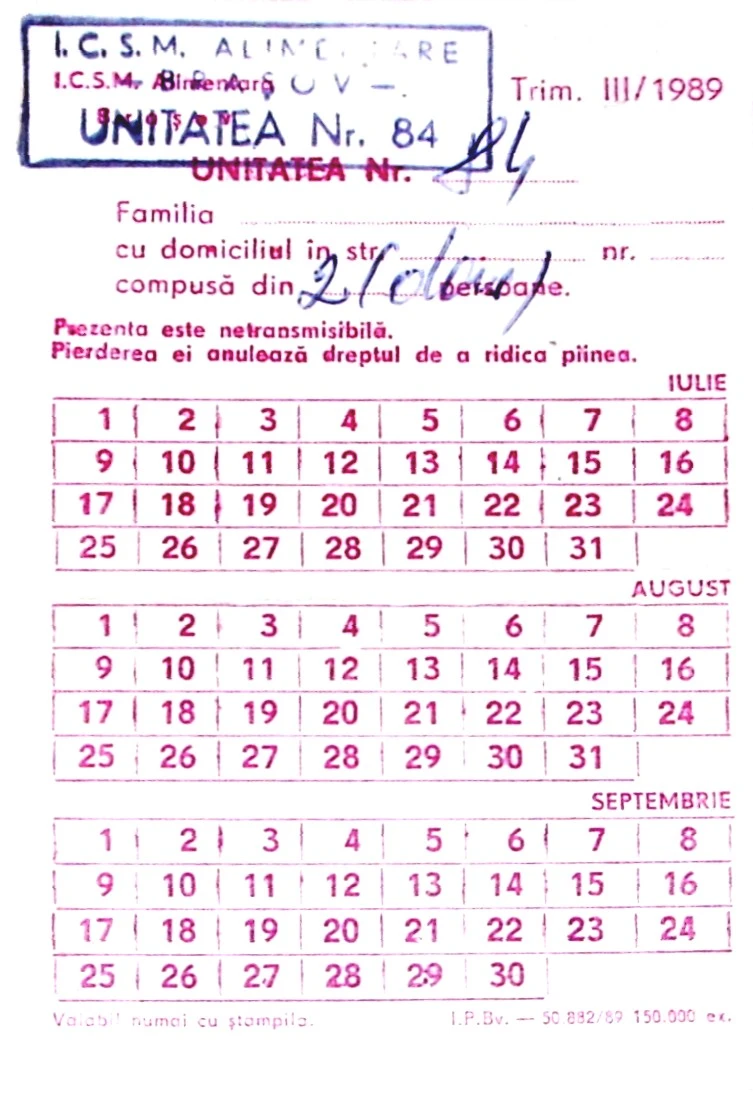
France's March 1940 Ration Card
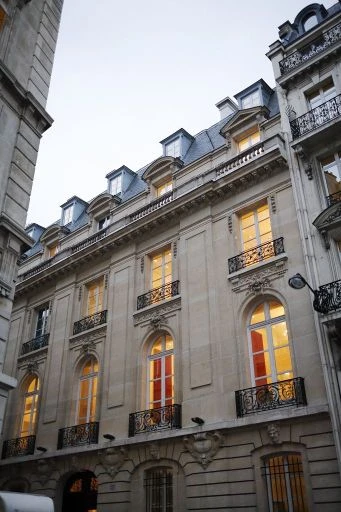
Le Creusot Faces the Wehrmacht — the Forges in the Hour of the Exodus
The head of Gnome et Rhône facing the vise of June 1940
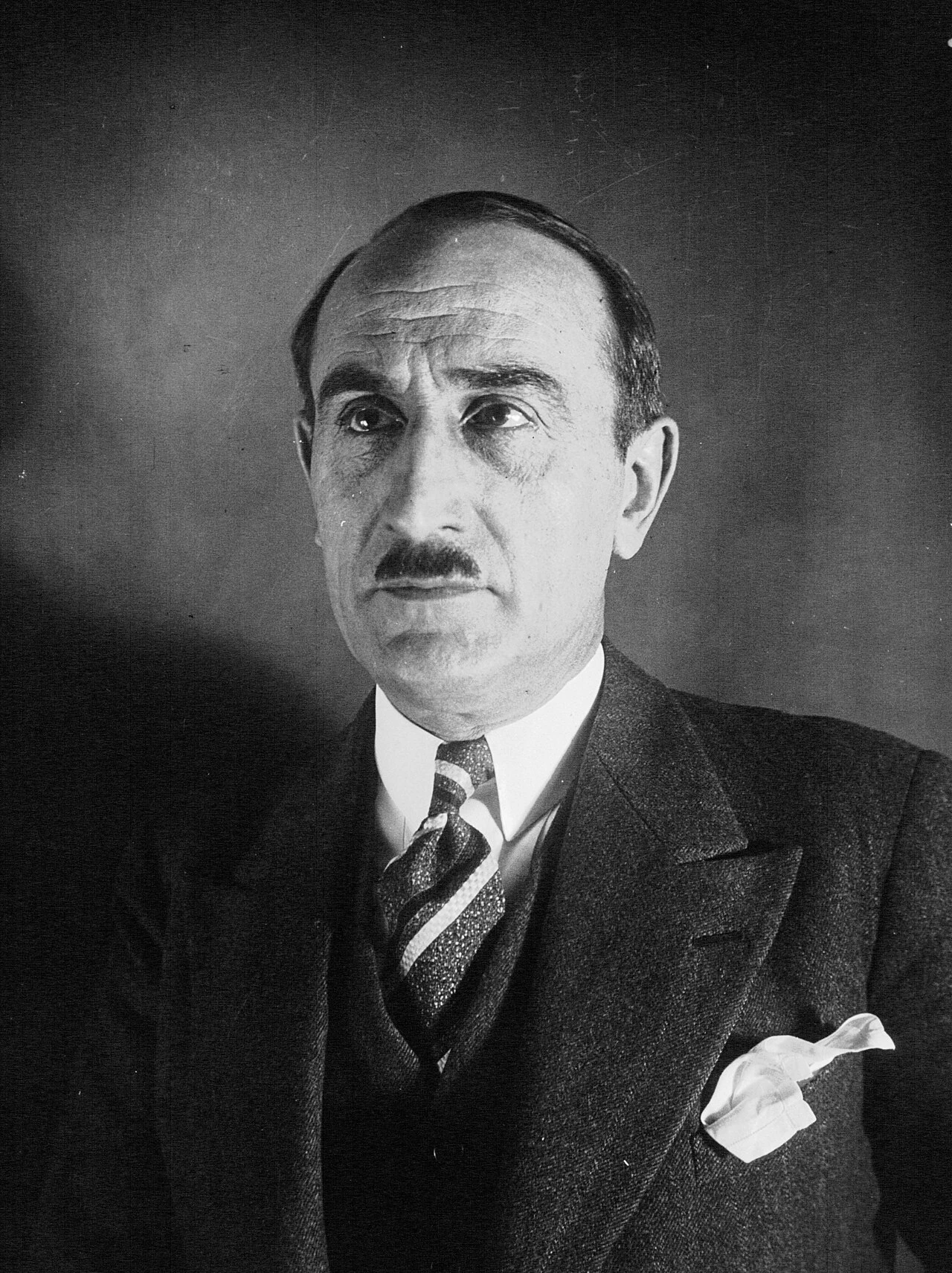
Marquet — Bordeaux overwhelmed, 12 June
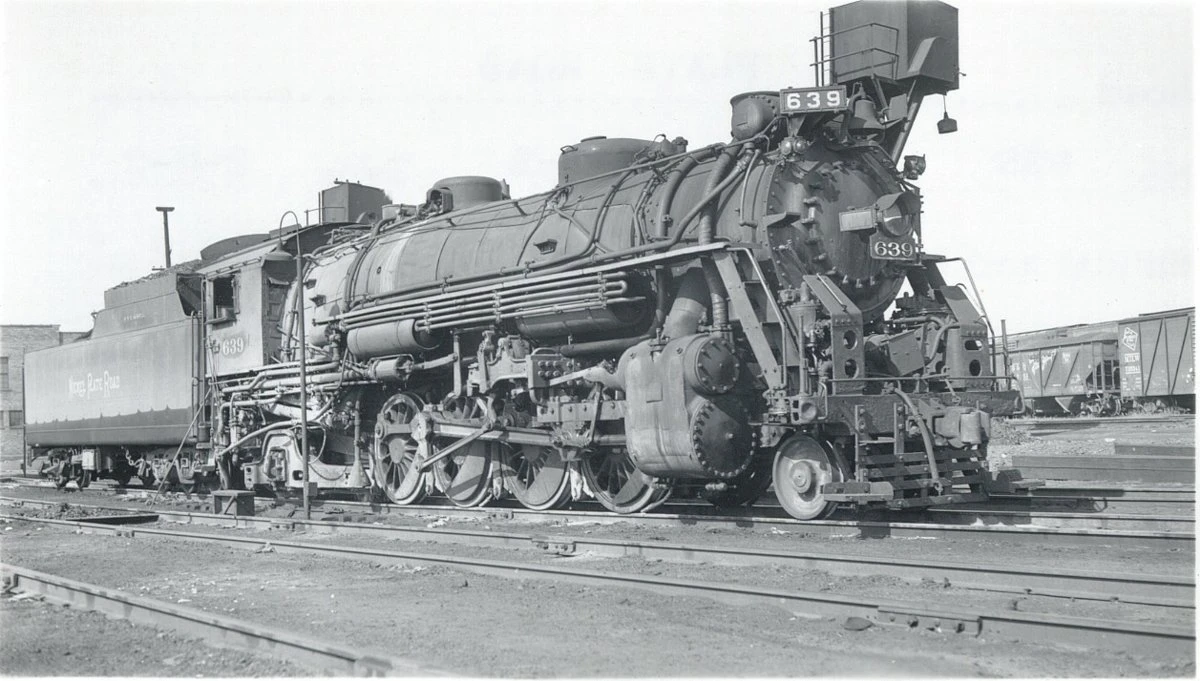
Article 13: the SNCF and the occupier
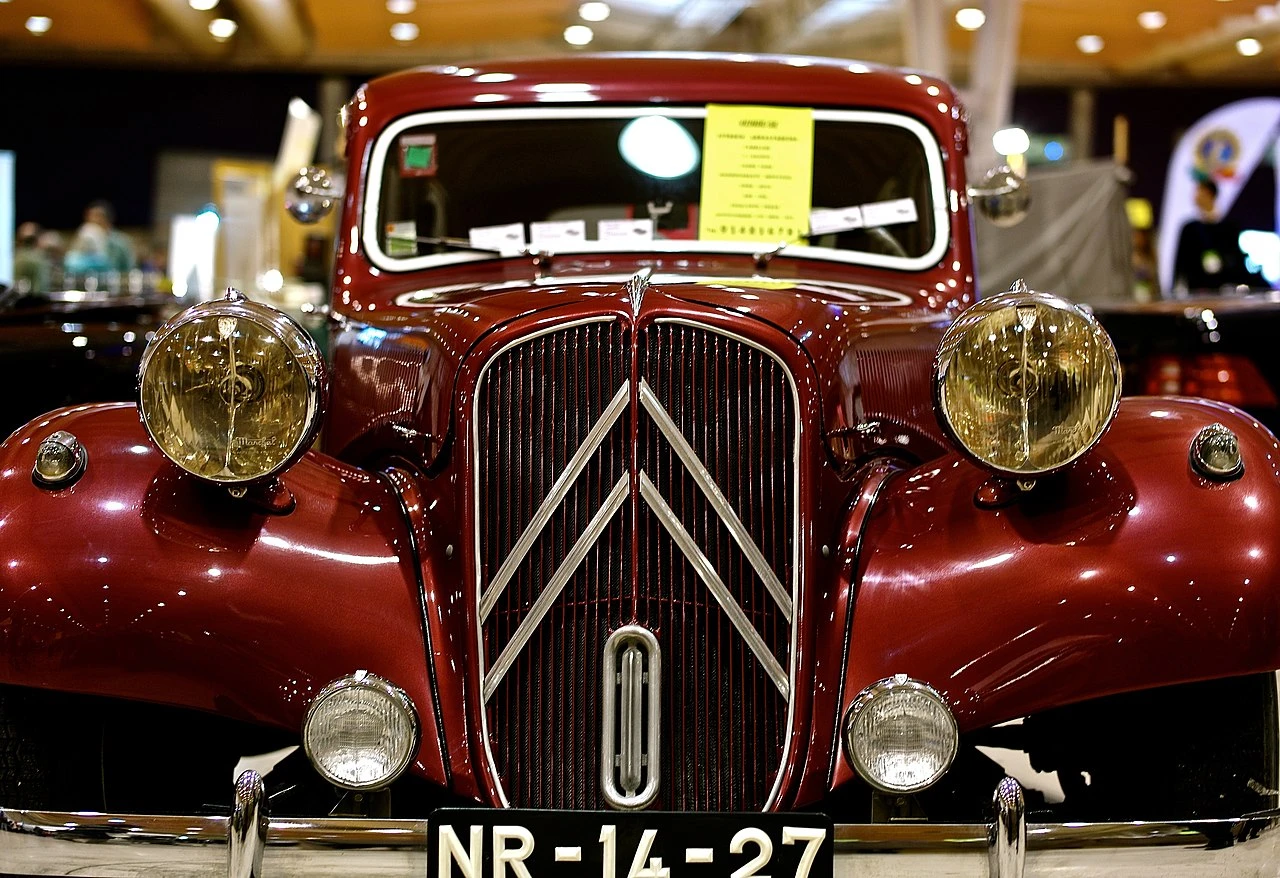
Boulanger and the Reich's trucks

Citroën, the occupier and the secret little car
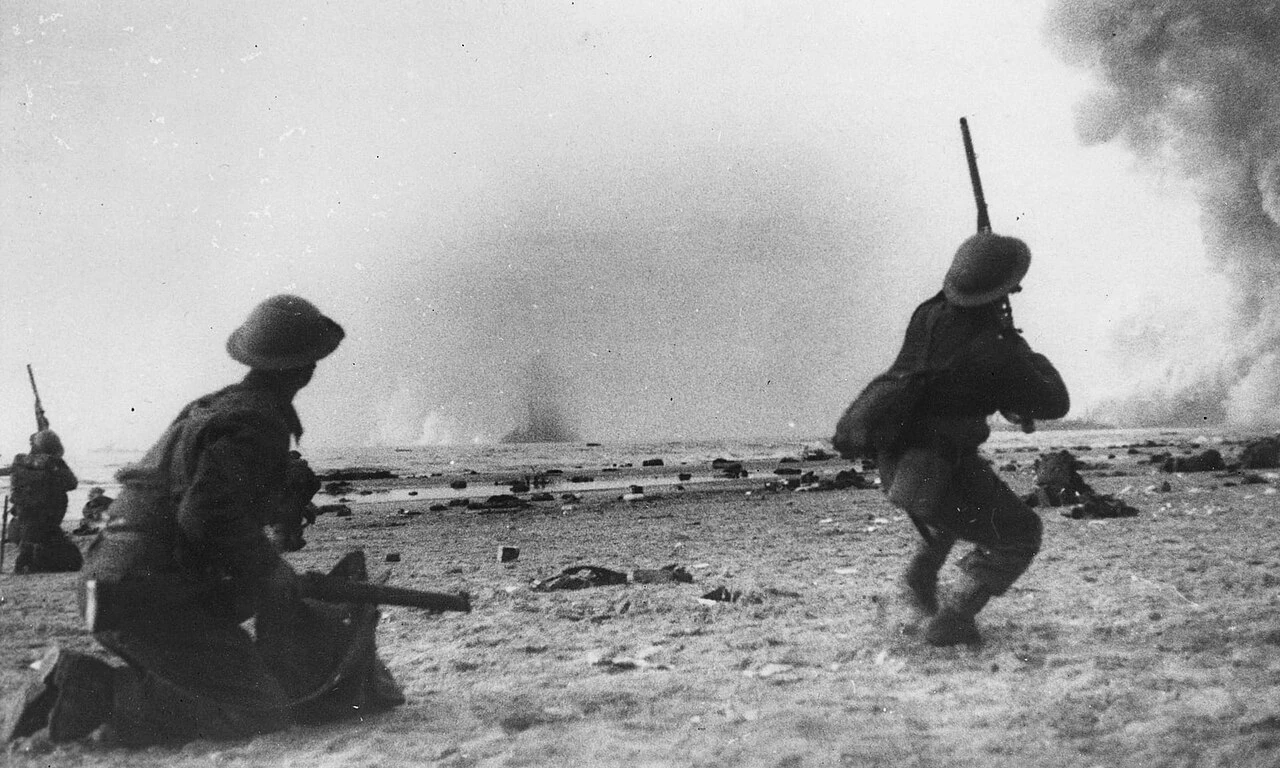
Dunkirk: a British gunner facing his own guns
Billancourt under threat: the old boss and his machines
Citroën under the Occupation: the boss faces German orders
France's March 1940 Ration Card
Le Creusot Faces the Wehrmacht — the Forges in the Hour of the Exodus
The head of Gnome et Rhône facing the vise of June 1940
Marquet — Bordeaux overwhelmed, 12 June
Article 13: the SNCF and the occupier
Boulanger and the Reich's trucks
Citroën, the occupier and the secret little car