
Ypenburg — German paras outside The Hague
While the paratroopers struck the Albert Canal in the south, a second airborne operation targeted the heart of the Netherlands. Three airfields around The Hague — Ypenburg, Valkenburg and Waalhaven — were to be seized to pin the Dutch air force on the ground and, above all, to make it possible to capture Queen and the government and decapitate the country's resistance.
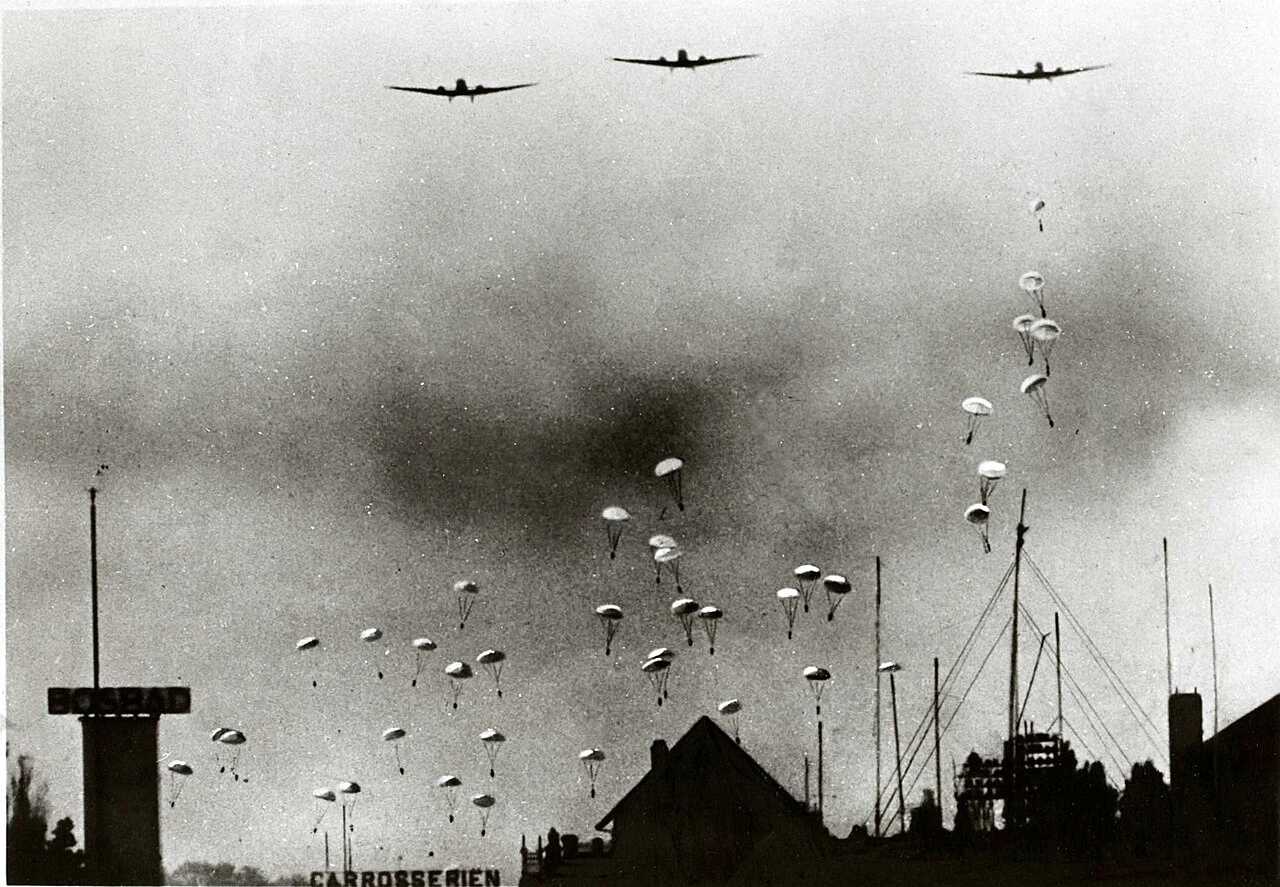
At Ypenburg, south of The Hague, Oberst committed the paratroopers of a Fallschirmjäger regiment, dropped around 04:45. The ground was defended more solidly than expected: several hundred Dutch soldiers of the artillery regiments were stationed there, with Fokker D.XXI fighters on the ground and active anti-aircraft fire. From the moment they landed the paras came under heavy fire that cost them immediate losses.
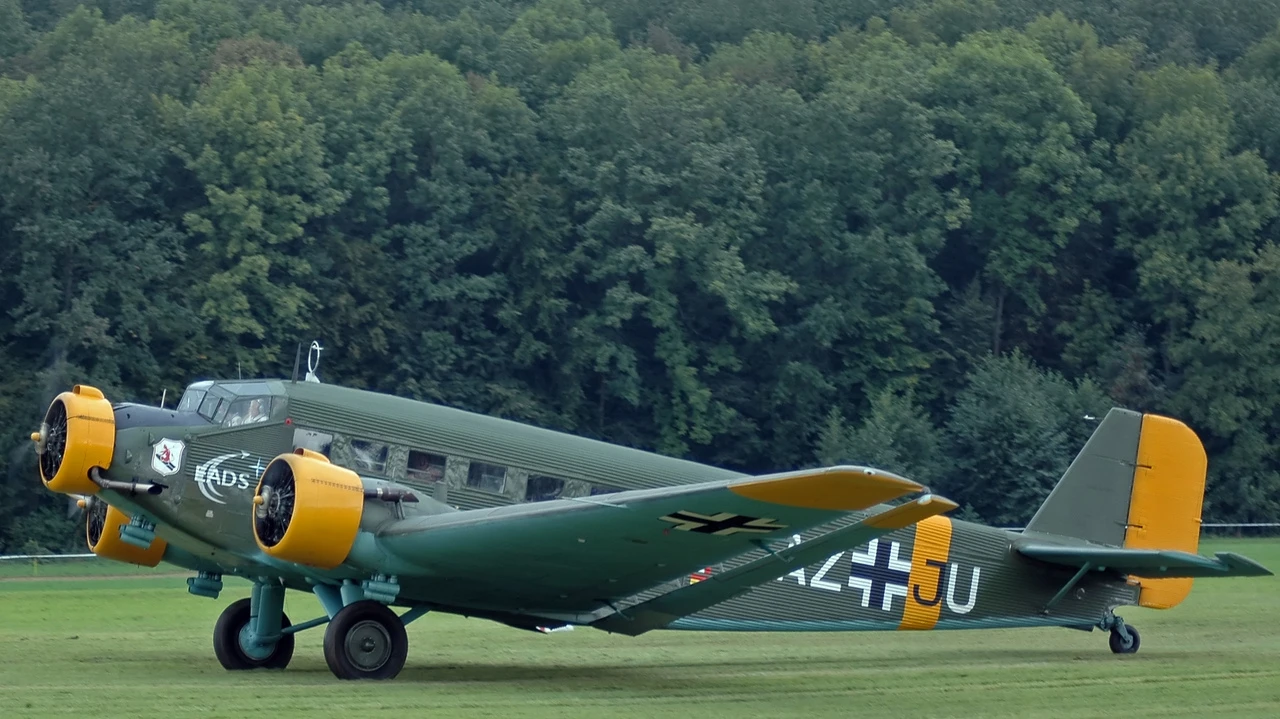
Above all, the Ju 52s that were to bring in the infantry of the in waves came down under the Dutch anti-aircraft defence, which shot down a great many of them over the sector. The expected reinforcements turned into a slaughter before they ever touched the ground. Sponheimer saw his assault seize up within the first few minutes.
With appalling losses from the moment of landing, should he press on with the assault on Ypenburg?
Sponheimer applied A: he pressed home the attack despite the haemorrhage. After hours of fighting, his men finally took Ypenburg airfield in the afternoon of 10 May — but the political objective had already failed. Queen was no longer there: she left the country by sea and would continue the fight from London. The airborne tally around The Hague was catastrophic for the Luftwaffe, which lost a considerable number of Ju 52 transports, lastingly cutting into its transport fleet. The Dutch indeed retook several airfields in the days that followed. Sponheimer survived the war, became Generalleutnant, and was sentenced in the USSR after 1945 for war crimes in the Caucasus, then released in 1955. His obstinacy saved the tactical capture of the ground but not the strategic objective — seizing the Dutch sovereign.
Learn more about this event
Related polls
10
The paratroopers on The Hague
Valkenburg — paras on a grass strip
The coup de main on Ében-Émael
Fornebu — the transports under fire
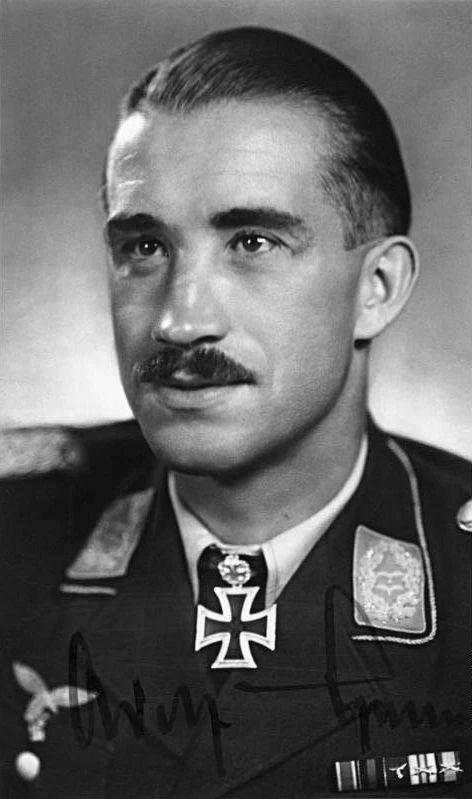
Galland over the Estuary
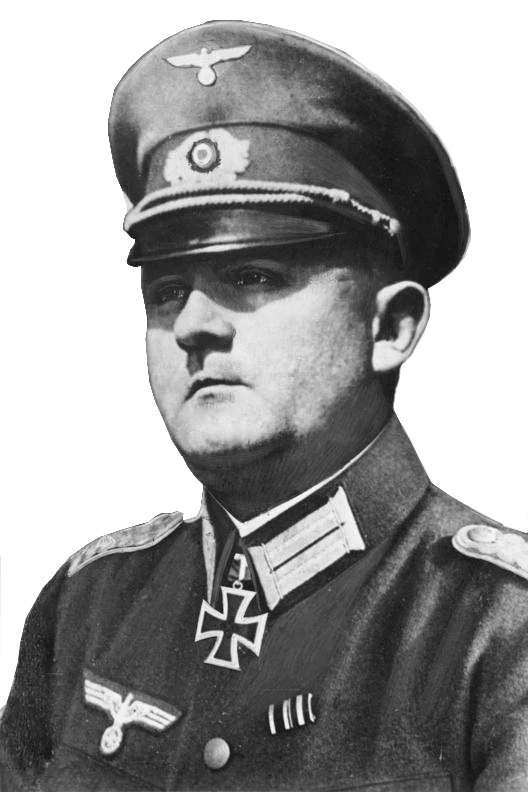
Waalhaven — assault on the Rotterdam airfield
The Houx weir
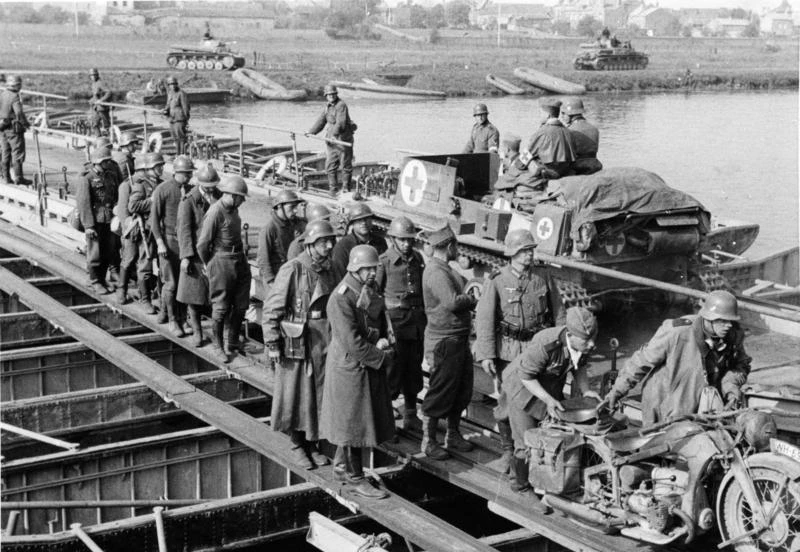
The deluge of Stukas over Sedan
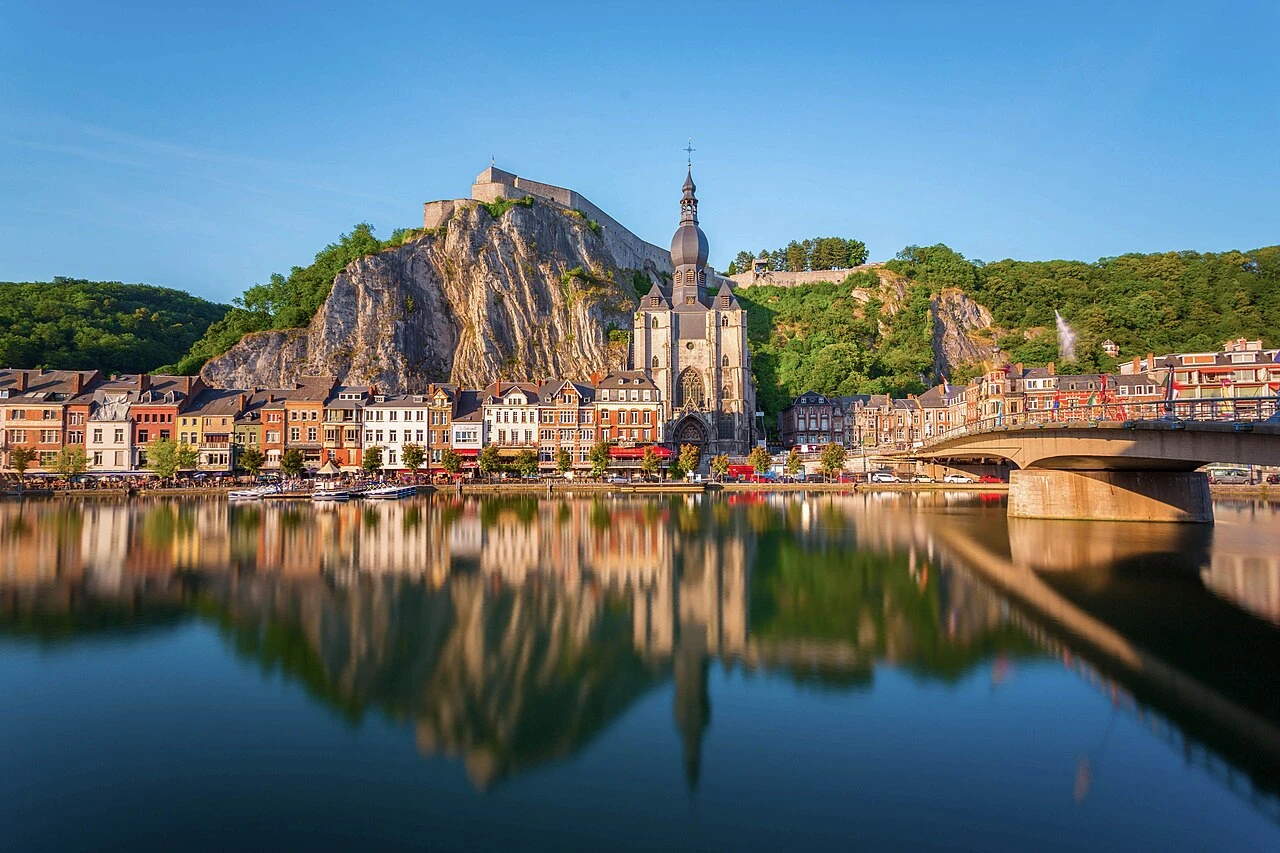
The crossing of the Meuse at Dinant
The bridges of Maastricht — the sacrifice of the Battles
The paratroopers on The Hague
Valkenburg — paras on a grass strip
The coup de main on Ében-Émael
Fornebu — the transports under fire
Galland over the Estuary
Waalhaven — assault on the Rotterdam airfield
The Houx weir
The deluge of Stukas over Sedan
The crossing of the Meuse at Dinant