
The German-Soviet Pact of 23 August 1939 has a discreet economic component: Berlin and Moscow undertake commercial exchanges to circumvent the British naval blockade. On 19 August 1939, a first agreement of 200 million Reichsmarks over seven years is concluded. But Hitler considers this agreement insufficient after the Polish defeat: the Reich's war economy needs far more.
On 25 October 1939, , economic adviser of the Political Department of the German Foreign Ministry, is sent to Moscow as chief negotiator. His mission: to obtain from the USSR deliveries of raw materials vital to the German war effort — oil (the Reich consumes 5.5 million tons a year, produces four million, imports 1.5), manganese (special steels), chromium (armour), wheat, natural rubber, wood. In exchange Germany will deliver precision machine tools, chemical products, military equipment and industrial patents. On paper, an exchange of symmetrical value.
The negotiations promise to be long, for Stalin practises a steady blackmail: he progressively raises his demands on the German counterparts. Schnurre reports to Berlin that "Stalin treats the negotiations like a bazaar haggle." The underlying question remains entirely open: how far can Berlin let the Reich depend on a single, ideologically hostile supplier for its critical resources, rather than preserving its diversification or its autarky?
What level of dependence on the USSR should be accepted?
Schnurre obtains a maximal agreement, accepting massive dependence on the USSR in order to save the tonnage the Royal Navy can intercept. The German-Soviet commercial agreement is signed at Moscow on 11 February 1940. Volume over eighteen months: 800 million Reichsmarks, including 600 million in Soviet raw materials. Actual deliveries to 22 June 1941: 865,000 tons of oil, 648,000 tons of grain, 75,000 tons of phosphates, 14,000 tons of copper, 3,000 tons of chromium, plus rubber, wood, manganese. Without these deliveries the German war economy would have been in crisis from 1940. Soviet industry receives in exchange Schiess and Wenzel-Witzler machine tools, prototypes of Bf 109 and Bf 110 aircraft, the unfinished warship Lützow (Hipper class, sold by the Kriegsmarine in February 1940, renamed Petropavlovsk at Leningrad, used as a coastal battery during the siege), patents and industrial blueprints. This economic cooperation feeds the war effort on both sides until Operation Barbarossa (22 June 1941). Today the historiography (, ) underlines the irony: without voluntary dependence on the USSR in 1939-41, Hitler could not have invaded the USSR in 1941 with his own resources preserved.
Learn more about this event
Related polls
10
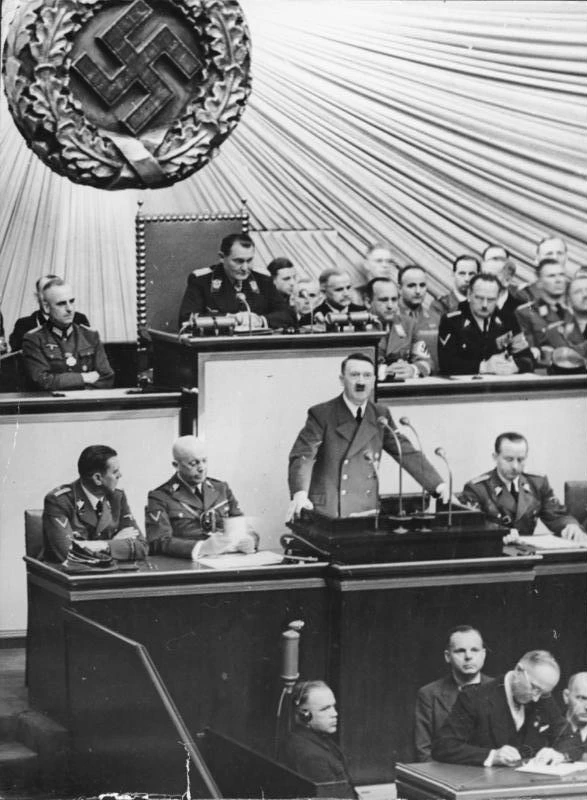
Hitler — the Reichstag Speech
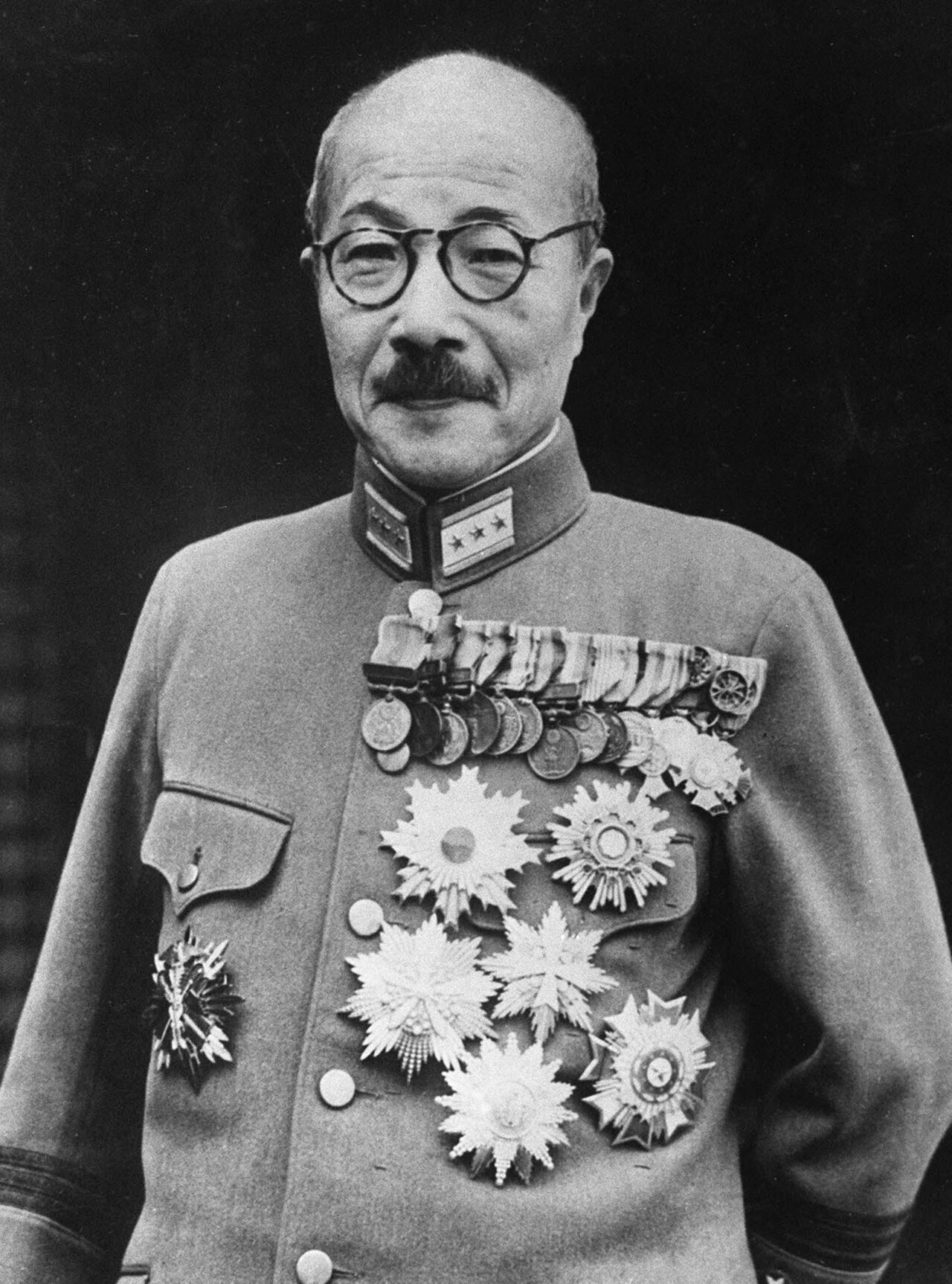
Japan and the Southern Resource Zone
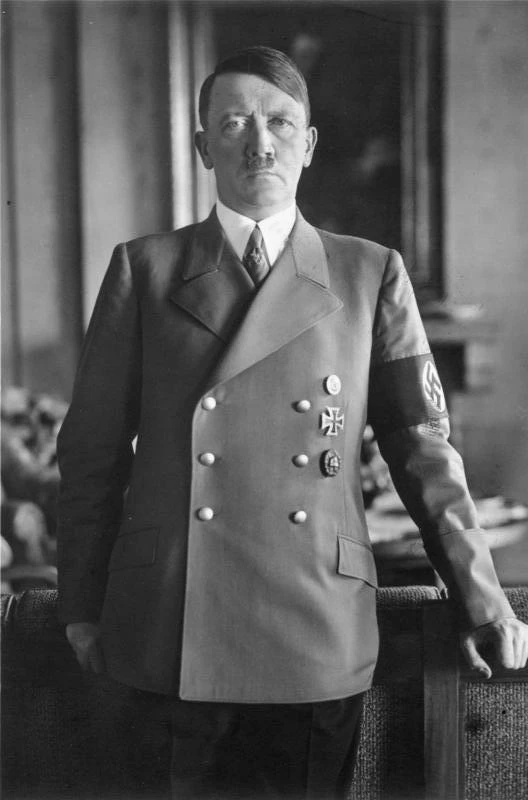
The Obersalzberg Speech
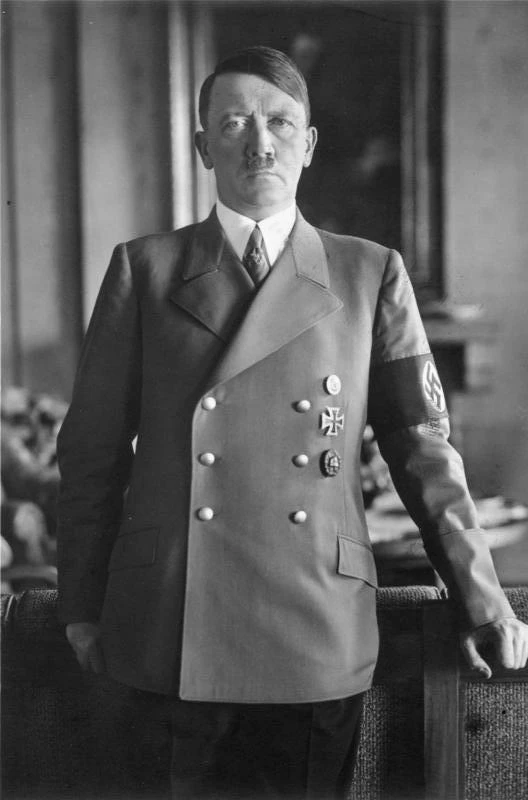
Hitler Postpones Fall Weiss
The Karten: Rationing Germany at War
Speer and the Germania trade-off
Brauchitsch — Reich Chancellery, 5 November
Goering — the economic mobilization plan
Hitler and Fall Gelb — 29 postponements
Hitler Before His Generals
Hitler — the Reichstag Speech
Japan and the Southern Resource Zone
The Obersalzberg Speech
Hitler Postpones Fall Weiss
The Karten: Rationing Germany at War
Speer and the Germania trade-off
Brauchitsch — Reich Chancellery, 5 November
Goering — the economic mobilization plan
Hitler and Fall Gelb — 29 postponements