
Eben-Emael — Jottrand under the explosions
Major , 45, a Belgian artillery officer, commanded the 1,200 men of Fort Eben-Emael, the keystone of the Albert Canal defences north of Liège. Reputedly impregnable, the armoured fortress guarded the bridges toward Maastricht. Jottrand knew his fort in the smallest detail: artillery cupolas, casemates, underground galleries on three levels.
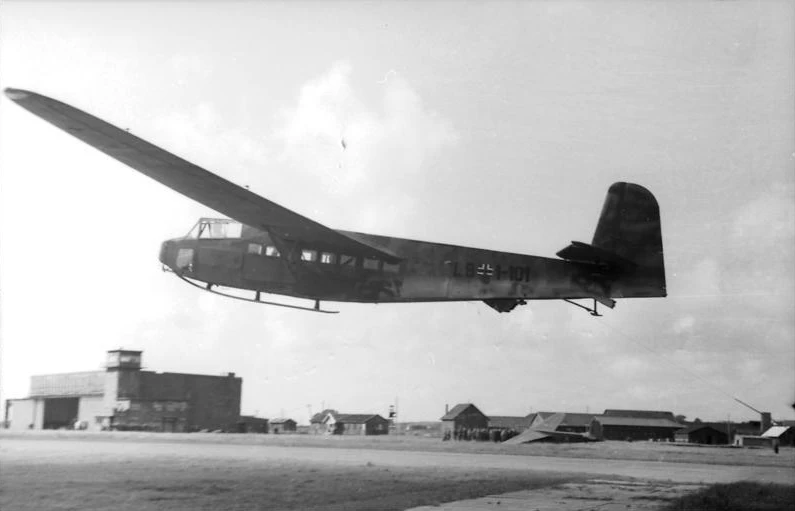
At 04:25, explosions shook the superblock. Something was happening on the very roof of the work. From his command post on level minus three, Jottrand heard dull, metallic, rapid blows. The air-defence lookouts had reported nothing: no engine noise, because the assailants had arrived in silent gliders. One after another, his cupolas reported that they had been neutralised by charges he could not identify.
At 04:30, Jottrand no longer had a view of his own roof and could no longer fire back from inside. He alerted the ground reserves and the headquarters of the Belgian I Corps at Tirlemont. With his cupolas gone, he weighed the few options left to him to regain the initiative on a roof now in enemy hands. He had to decide in a few minutes.
Should he call down friendly artillery on the roof of his own fort, where 1,200 men are sealed inside?
Jottrand called for friendly fire on his own roof: from 04:30 he requested field-artillery fire on his own roof to sweep the assailants off, at the risk of striking his own positions, and alerted higher command. The Belgian command hesitated to shell a fortress full of defenders; the order came down only slowly. Around 09:00, six batteries near Vise finally opened fire, but the Stukas of , covering the operation, silenced them before they could take effect. With his cupolas gone and no counter-attack arriving, the fort held out one more night. Jottrand surrendered on 11 May at 12:15, after roughly thirty hours of siege — a handful of paratroopers had neutralised the best-protected garrison in Europe. A prisoner for five years (Oflag IV-A, then Murnau), he died in 1973. Belgian memory rehabilitated him: he had done his duty with conventional means against an unprecedented tactic.
Learn more about this event
Related polls
10
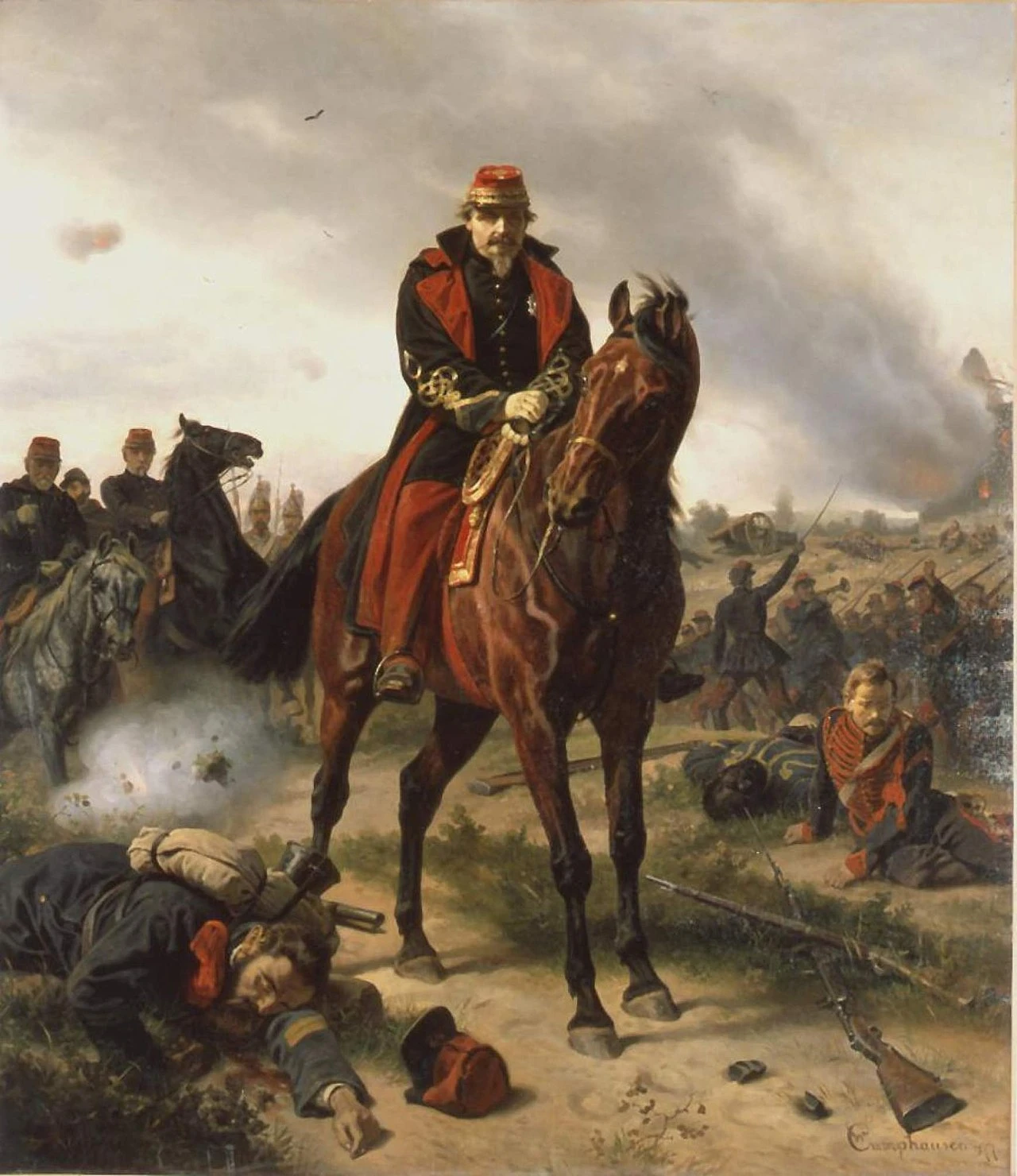
Bulson — Lafontaine and the 02:00 rumour
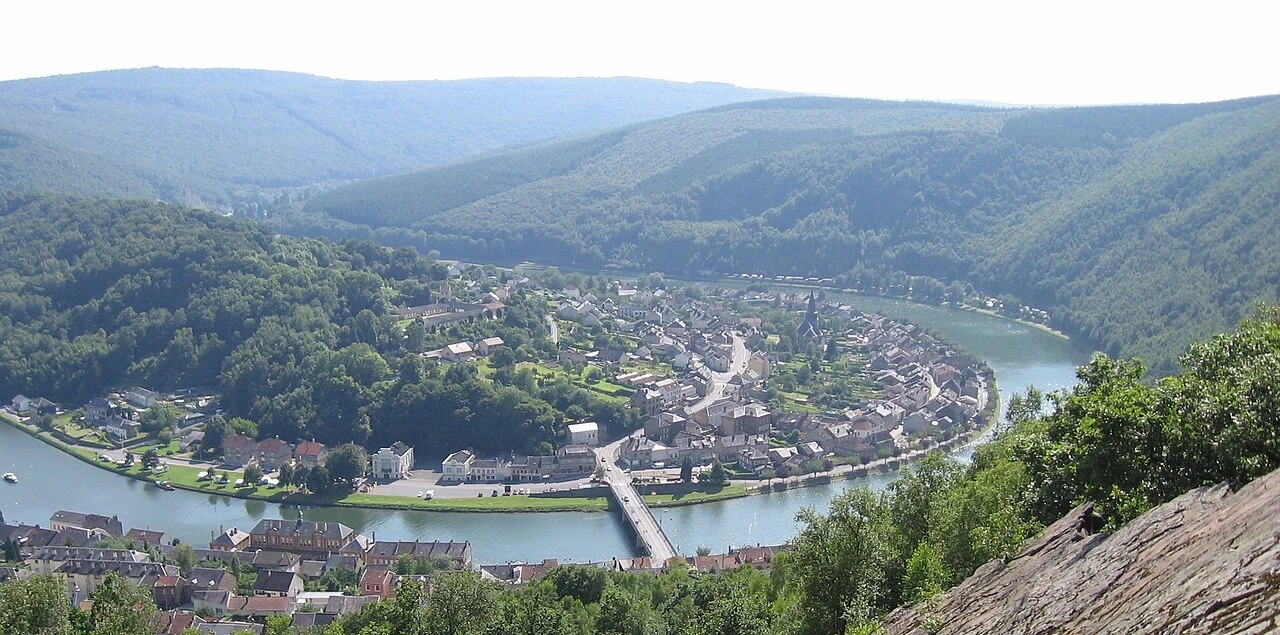
Monthermé — Portzert in the Meuse loop
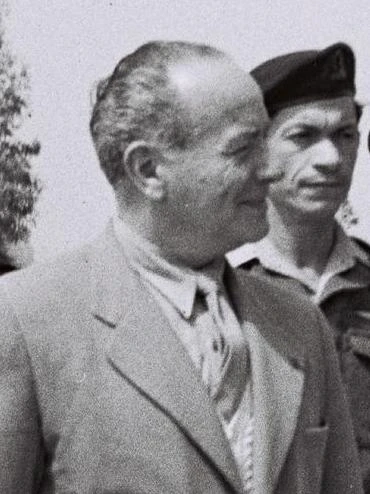
Stonne — Billotte facing the Panzer column
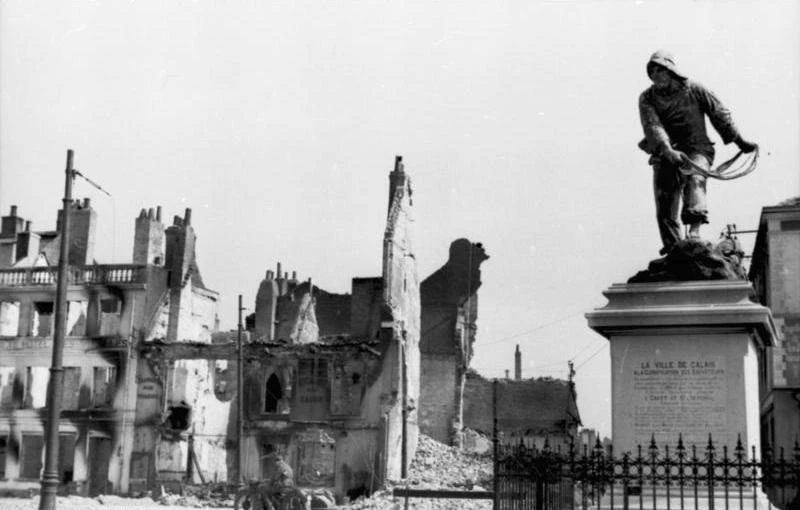
Calais — Nicholson facing the ultimatum
The abatis of the Chasseurs Ardennais
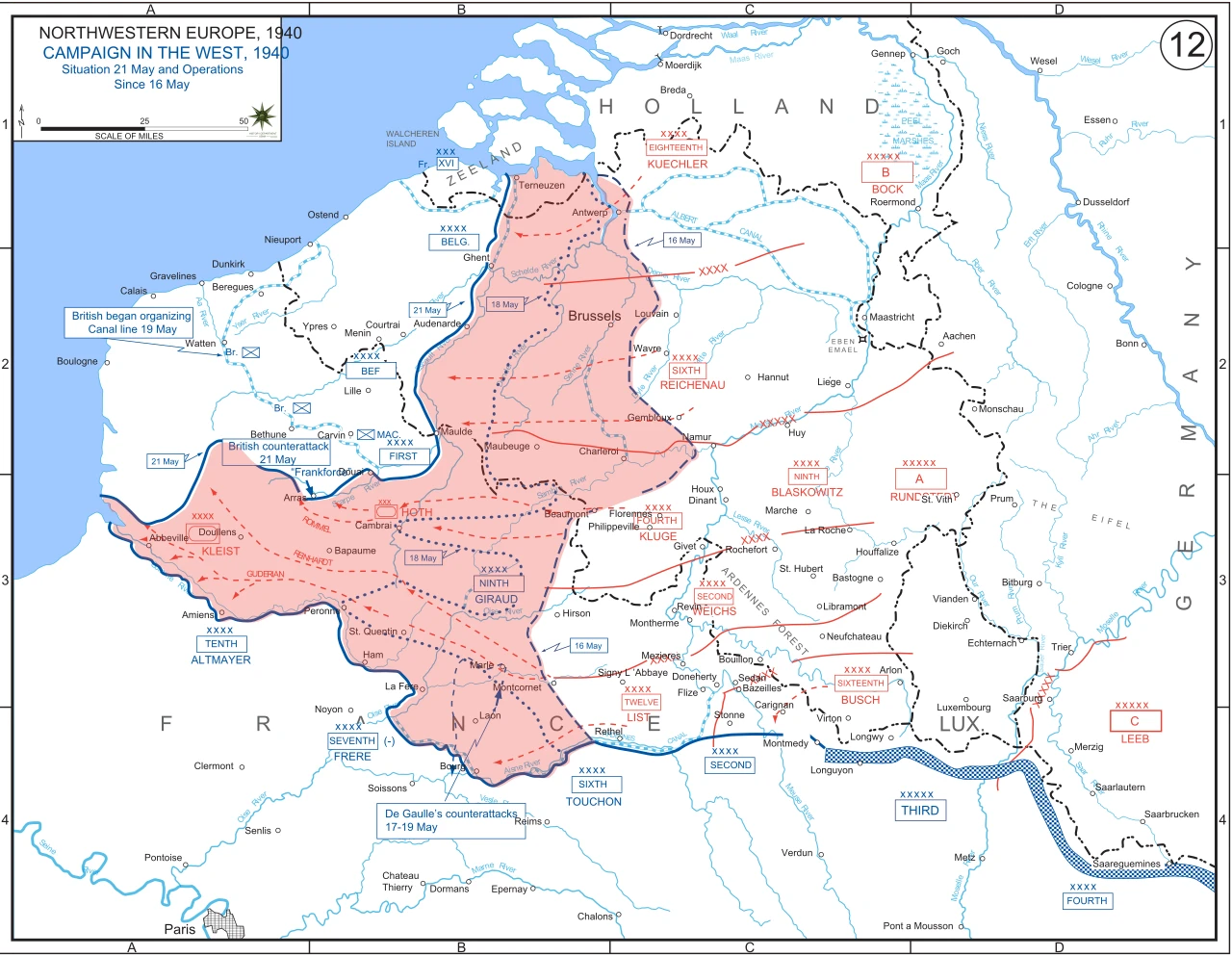
The Battle of the Lys
The bridges of the Meuse
Kanne bridge — fourth airborne target
Veldwezelt bridge — Beert and the demolition officer
Vroenhoven bridge — the demolition order
Bulson — Lafontaine and the 02:00 rumour
Monthermé — Portzert in the Meuse loop
Stonne — Billotte facing the Panzer column
Calais — Nicholson facing the ultimatum
The abatis of the Chasseurs Ardennais
The Battle of the Lys
The bridges of the Meuse
Kanne bridge — fourth airborne target
Veldwezelt bridge — Beert and the demolition officer