
Reynaud or Pétain — Carry On or the Armistice
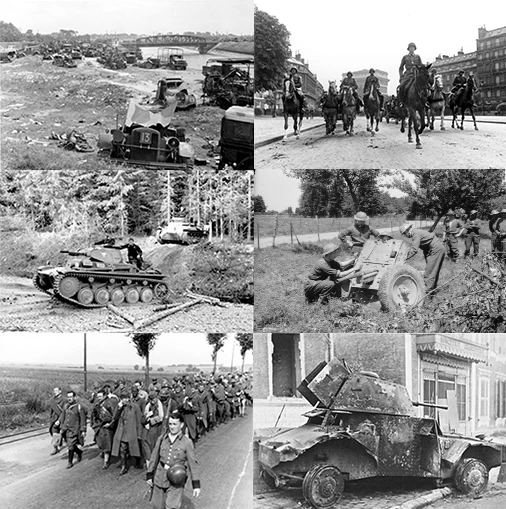
In mid-June 1940, the French government, having taken refuge in Bordeaux, was torn. The army was in full rout, Paris had fallen. Two camps clashed in the Council of Ministers. The Prime Minister, , wanted to continue the war, if necessary from North Africa and the empire, relying on the intact fleet and the British ally. Marshal Pétain and General Weygand, on the contrary, wanted to request an armistice, judging the military situation hopeless and refusing to abandon the territory.
The stakes were immense. To carry on from the empire was to save sovereignty and honour, but to abandon mainland France to occupation and the unknown. To request an armistice was to halt the carnage and keep control of part of the country, but to leave the war and place oneself at the victor's mercy.
The government had to decide. To request an armistice from Germany. To continue the war from North Africa with the fleet and the empire. Or to seek a middle way (a military ceasefire without political capitulation, on the Dutch model). On this choice depended the entire destiny of France.
Should the government request an armistice, continue the war from the empire, or seek a middle way?
The armistice camp prevailed: on 16 June, Reynaud resigned, and President Lebrun called on Pétain, who immediately requested the armistice (option A). Signed on 22 June at Rethondes, it divided France into an occupied zone and a "free" zone, maintained a government at Vichy and placed the country under German tutelage. Option B, defended by Reynaud, Mandel and de Gaulle, was set aside; some parliamentarians would nonetheless try to reach North Africa (the Massilia). The choice of the armistice opened the way to the Vichy regime and to collaboration, while de Gaulle launched, from London, his appeal to carry on the fight.
Learn more about this event
Related polls
10
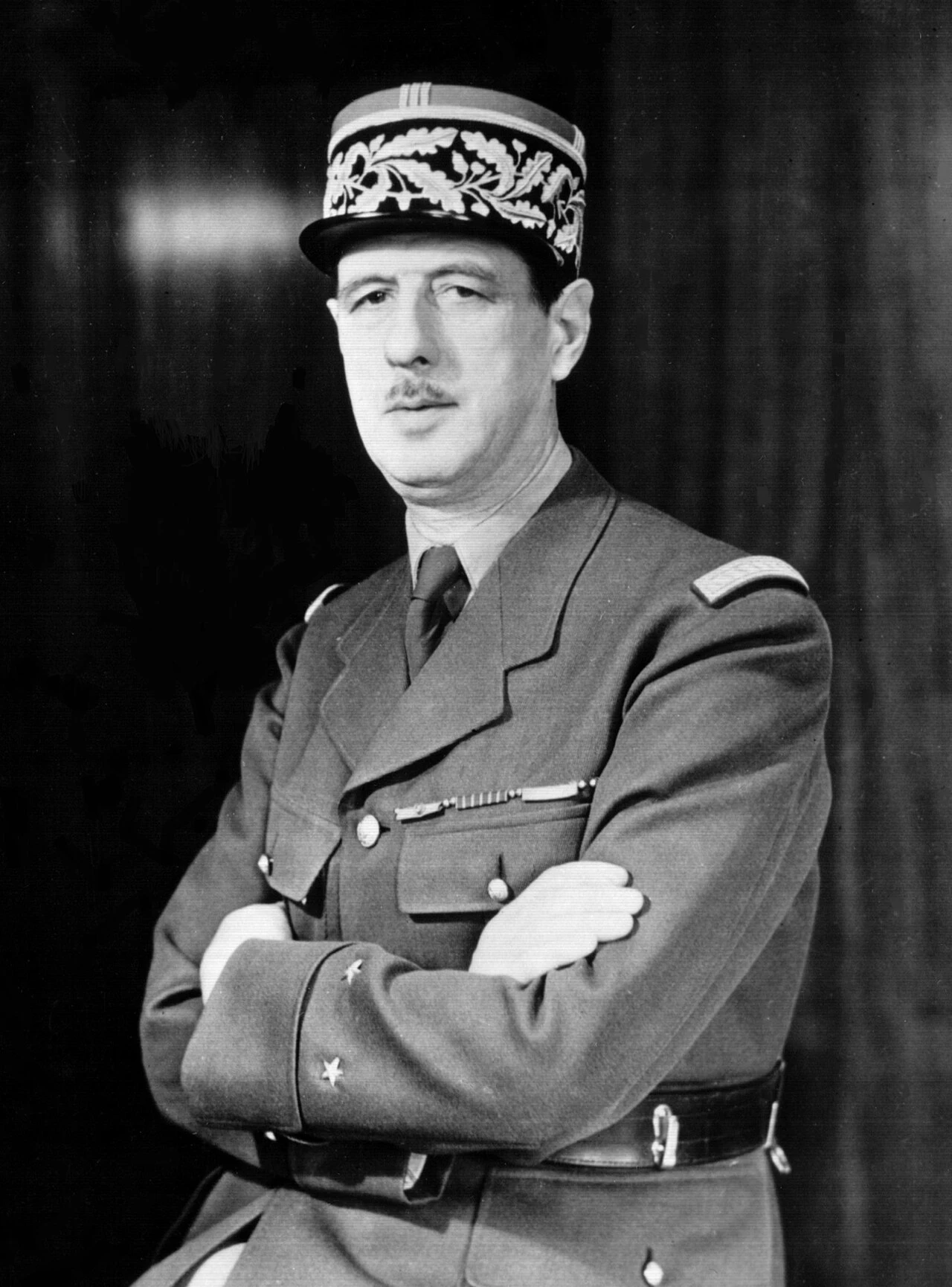
De Gaulle joins the government — 5 June
Dunkirk: should the French be saved alongside the British?
The Empire — Vichy or de Gaulle
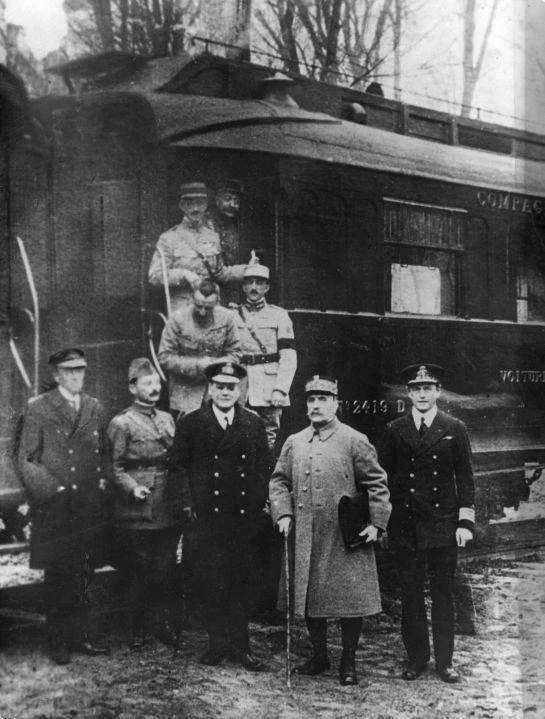
Rethondes — Article 8 on the Fleet
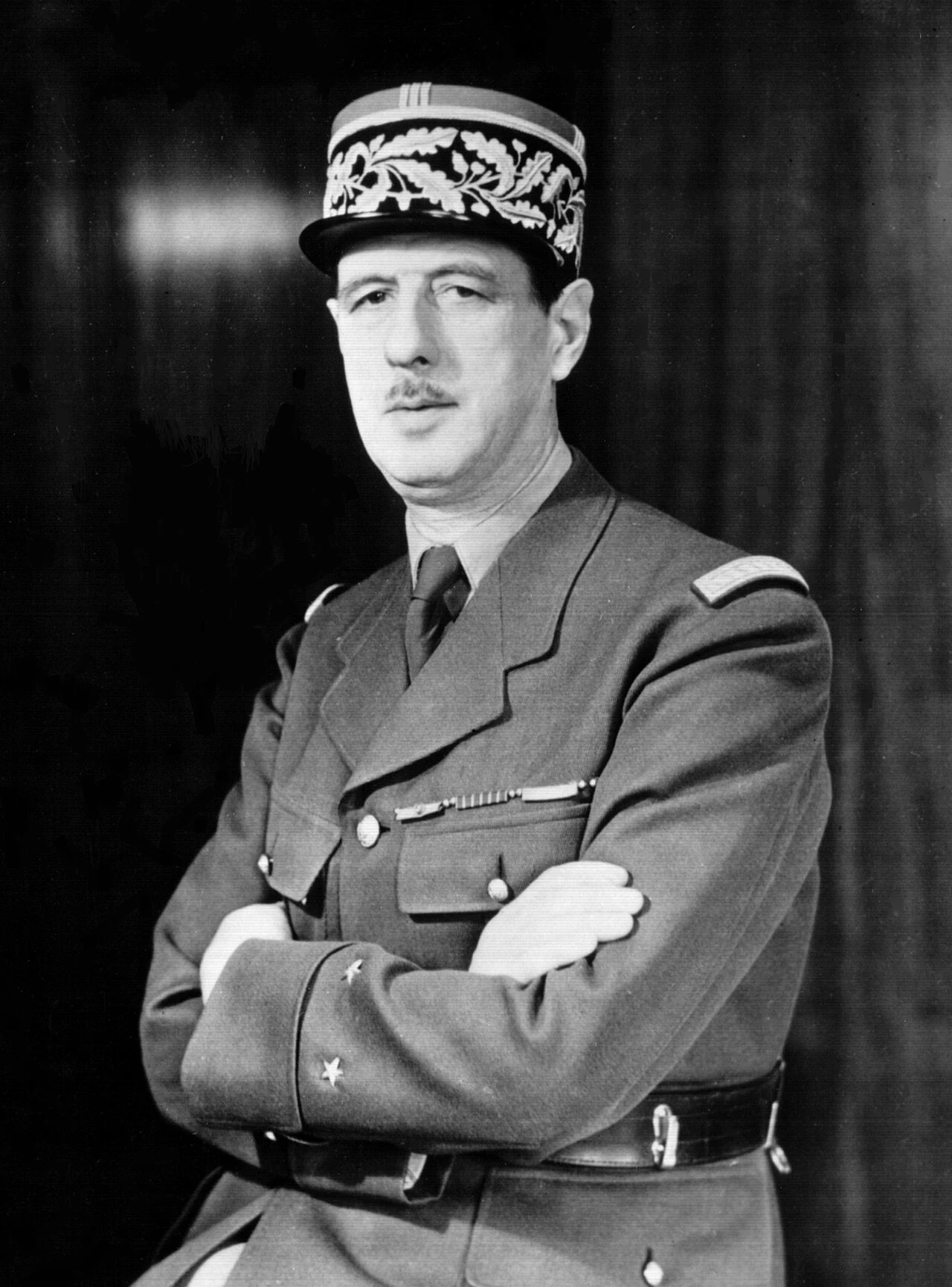
The Franco-British union — 16 June
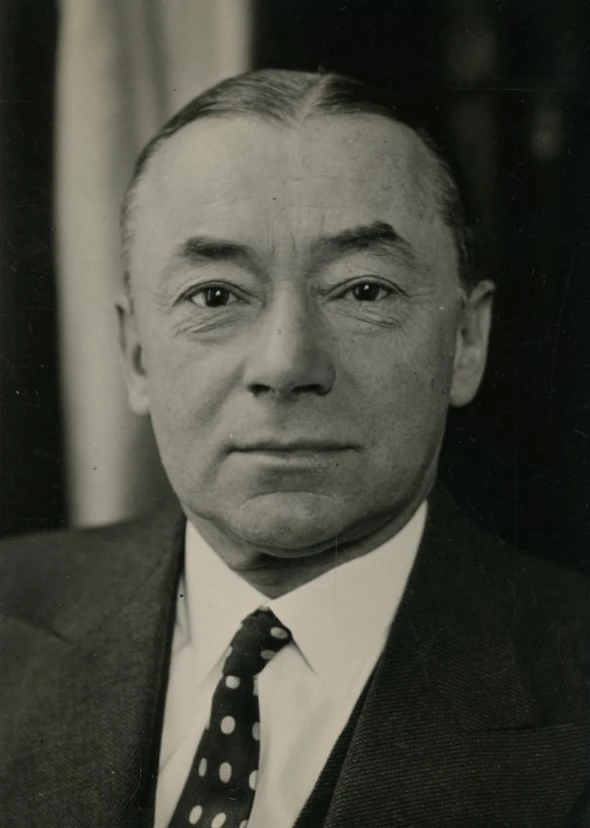
Reynaud — Matignon 21 March
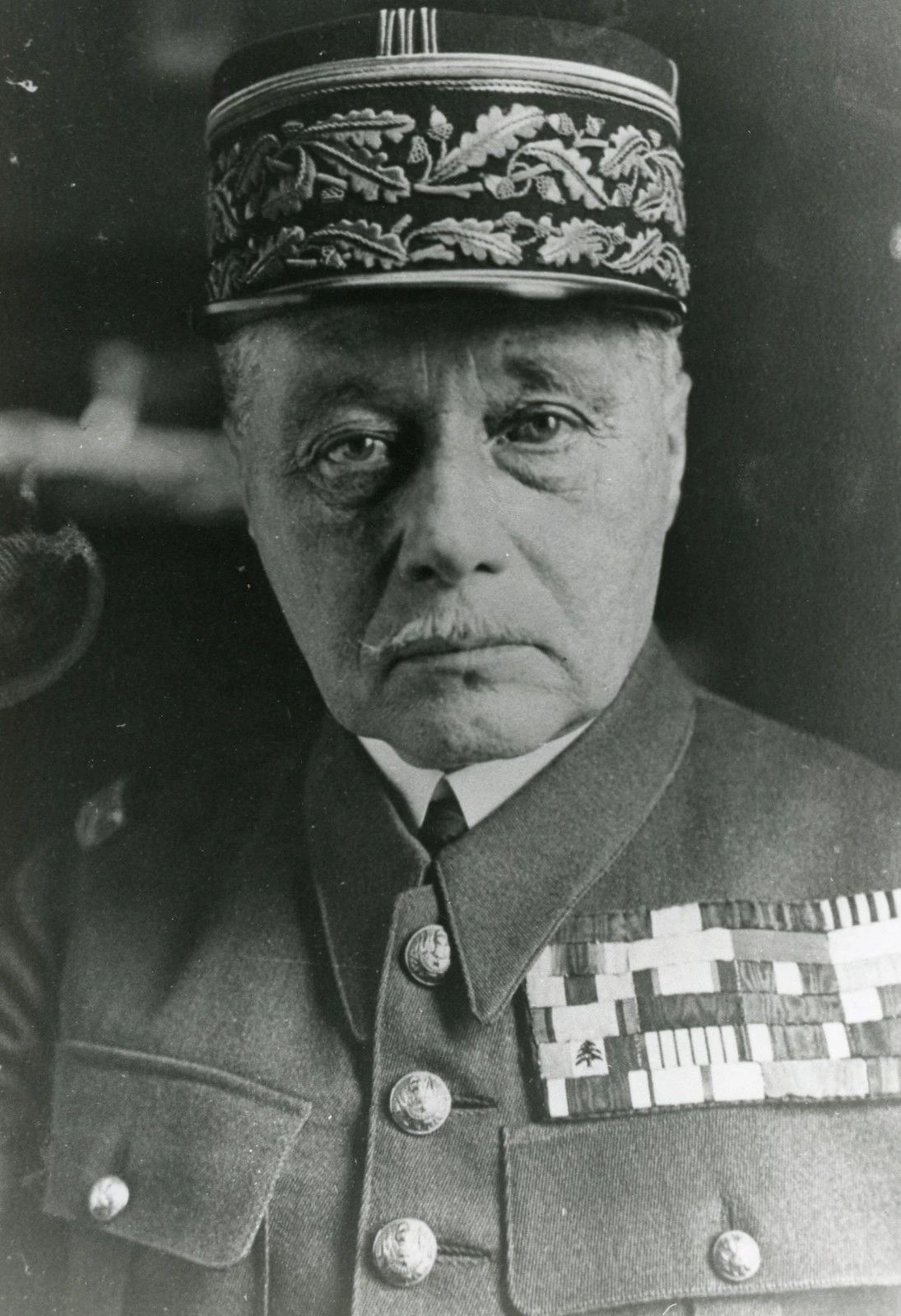
Baku in the crosshairs — Operation Pike
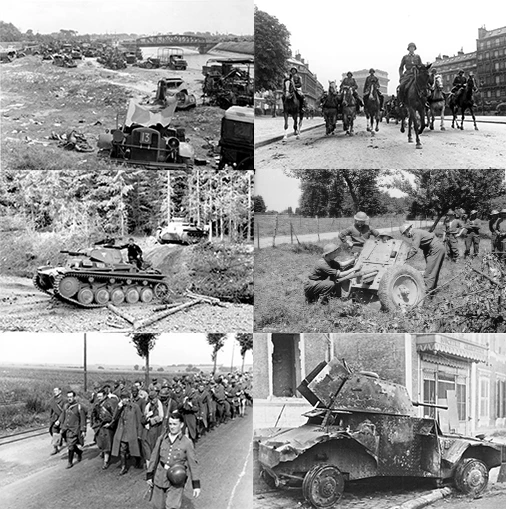
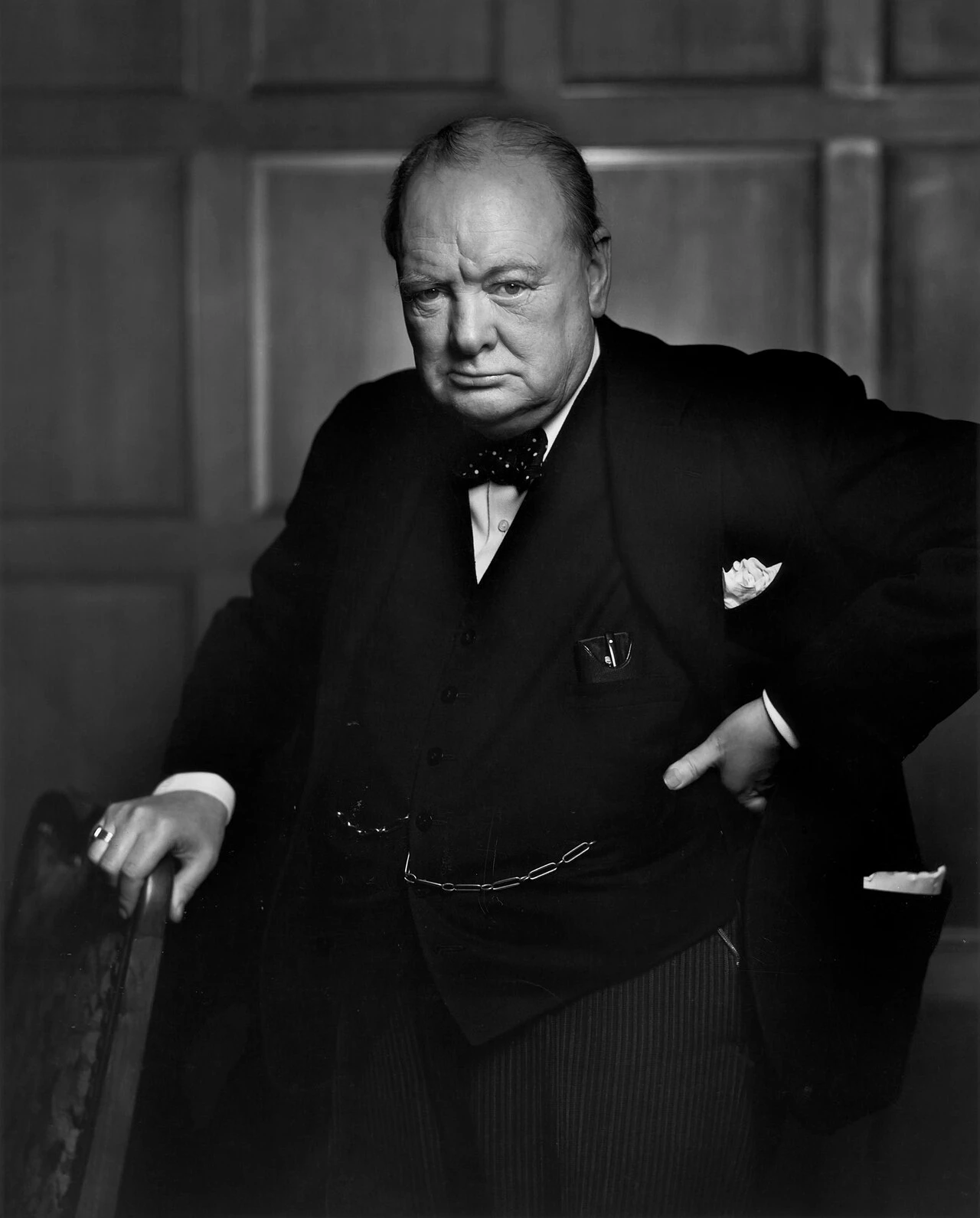
The War Cabinet — Negotiate or Carry On
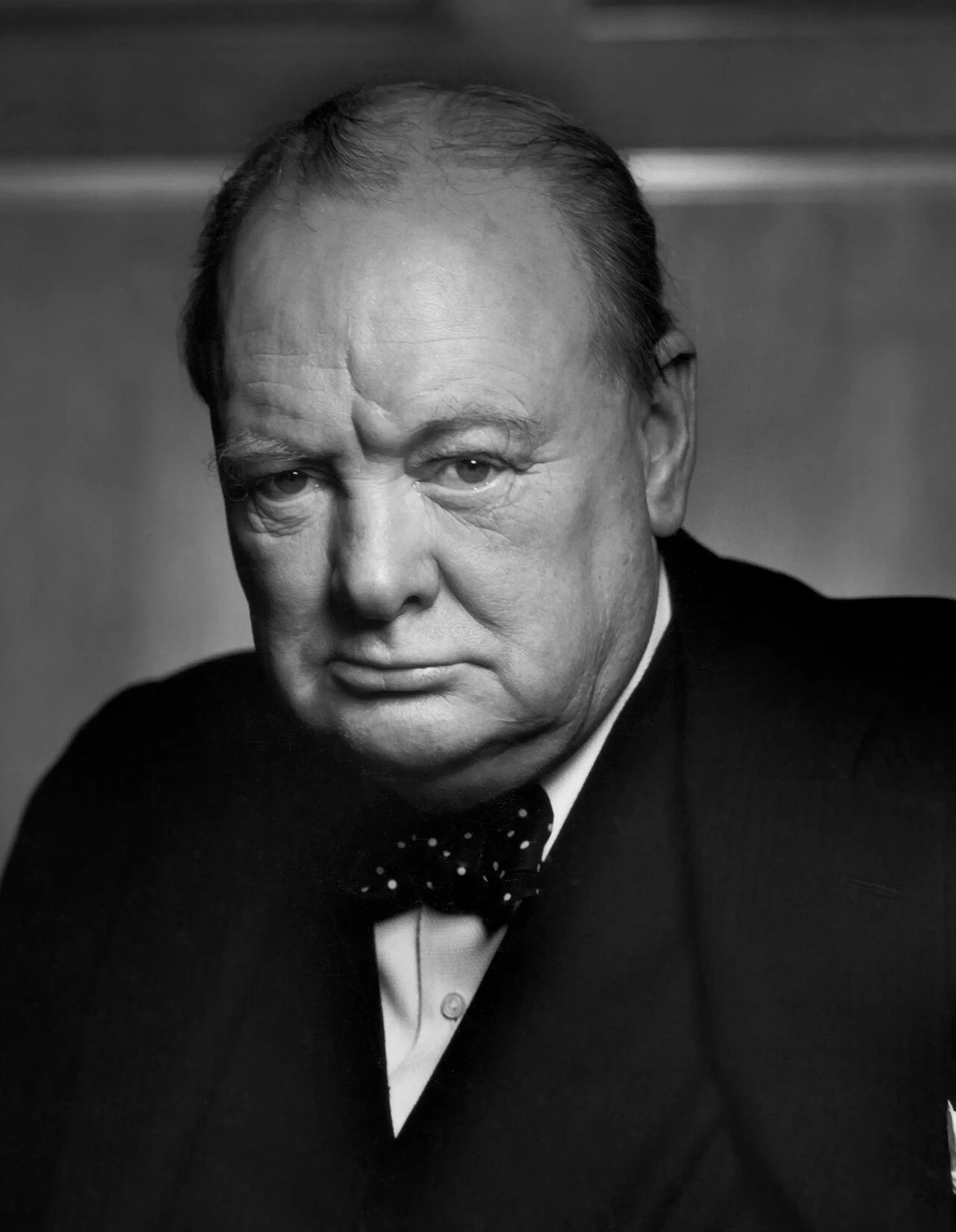
Churchill and the ultimatum on the Burma Road
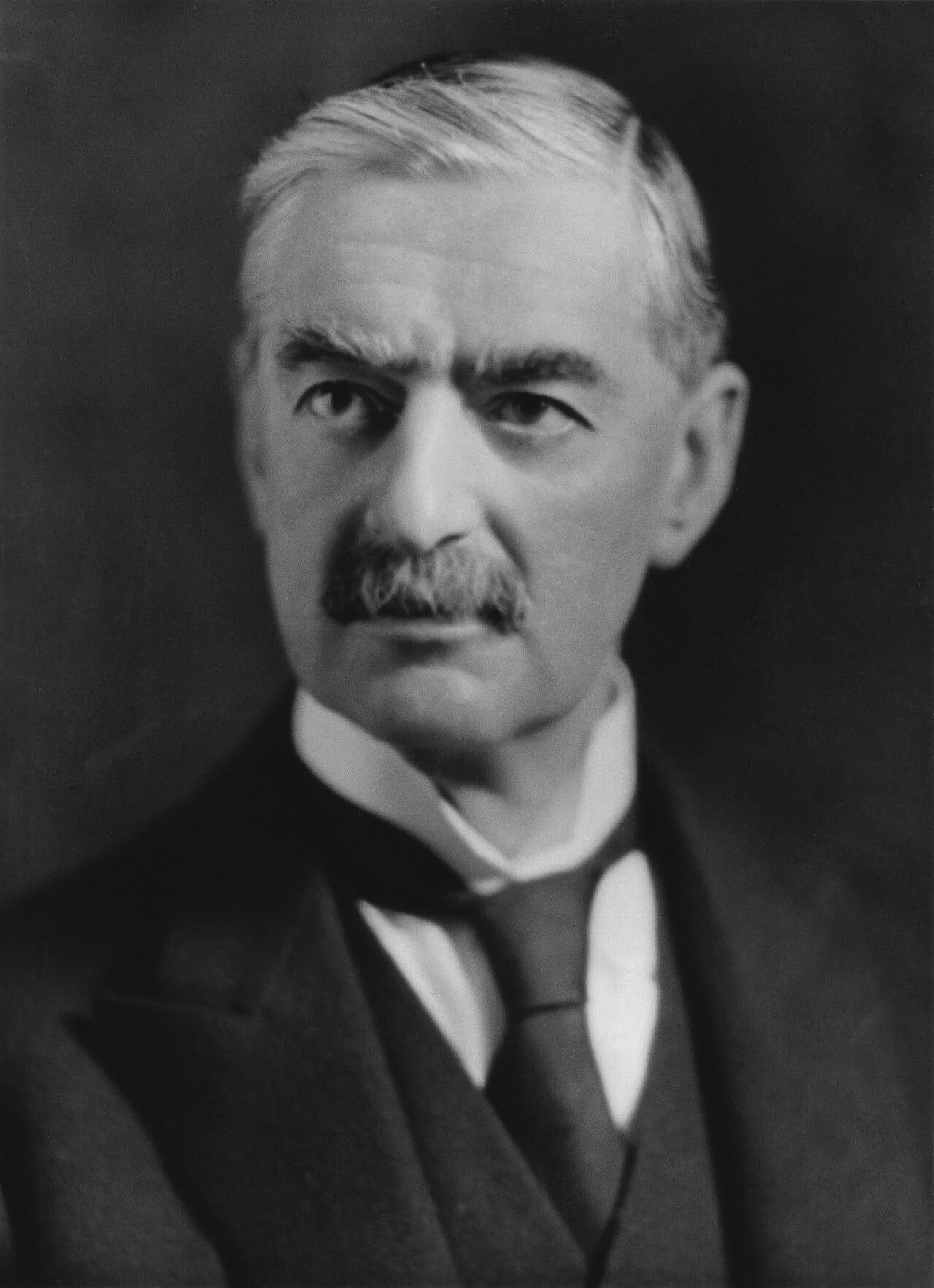
War council — leave central Norway?
De Gaulle joins the government — 5 June
Dunkirk: should the French be saved alongside the British?
The Empire — Vichy or de Gaulle
Rethondes — Article 8 on the Fleet
The Franco-British union — 16 June
Reynaud — Matignon 21 March
Baku in the crosshairs — Operation Pike
The War Cabinet — Negotiate or Carry On
Churchill and the ultimatum on the Burma Road