
The Weygand Line on the Somme
After the disaster in the North and the Dunkirk evacuation, France had lost its best divisions. The new commander-in-chief, General , had to organise the defence of what remained, along the Somme and the Aisne, against a Wehrmacht preparing to launch the second phase of its offensive ("Fall Rot") towards the south.
The forces were insufficient to hold a continuous front, and the disparity in means was overwhelming. Weygand had to choose his strategy. To hold a defence in depth through fortified strongpoints, to wear down the enemy and save the army's honour. To withdraw at once to the Loire or further south, to preserve an army and negotiate from a better position. Or to stake everything on a rigid defence of the Somme-Aisne line, at the risk of a fresh collapse.
It was the last set-piece battle of the French campaign that was being prepared. Whichever option he chose would commit the fate of Paris and the image the French army would leave of its final stand. Weygand had to decide.
Should Weygand organise a hedgehog defence, withdraw to the south, or hold a rigid line?
Weygand chose C: the "Weygand Line" relied on a defence in depth through "hedgehogs", fortified strongpoints — villages, woods — held to the last to break the momentum of the armour rather than a linear line that would be quickly breached. From 5 to 9 June, the French infantry resisted fiercely, inflicting on the Germans losses far greater than those of May and demonstrating that it had learned the tactical lessons of the rout. But the balance of forces was hopeless: the Panzers eventually broke through, and the front gave way. The Weygand Line saved the honour of the French army and showed what a well-conceived defence could achieve — too late, with too few means. The road to Paris was open.
Learn more about this event
Related polls
10
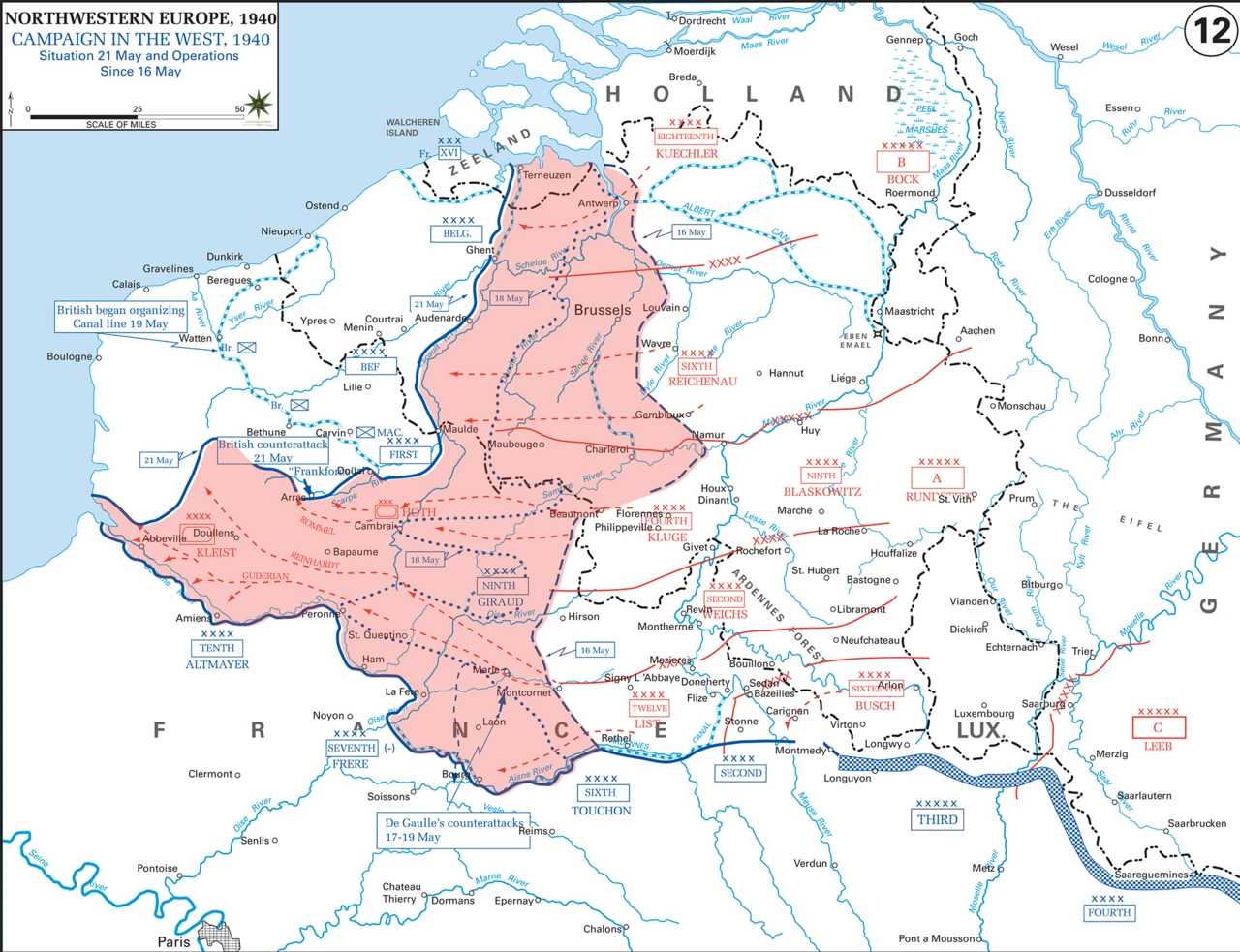
Boulogne — Fox-Pitt and the Guards facing the port
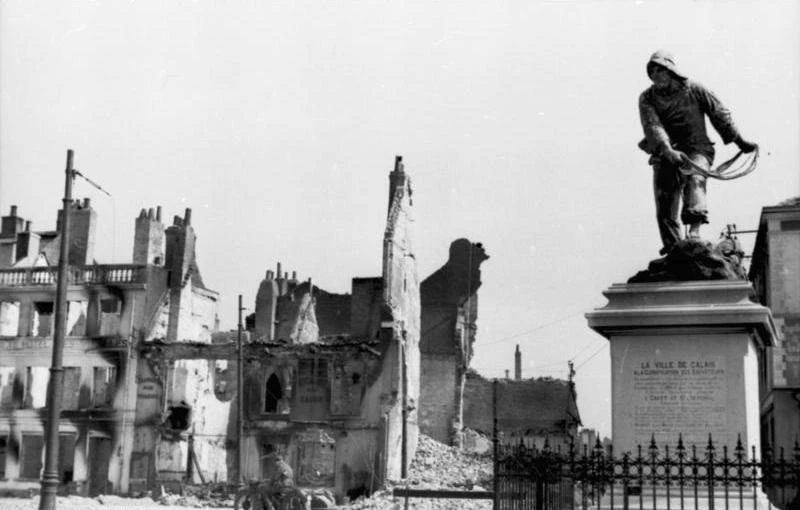
Calais — Nicholson facing the ultimatum
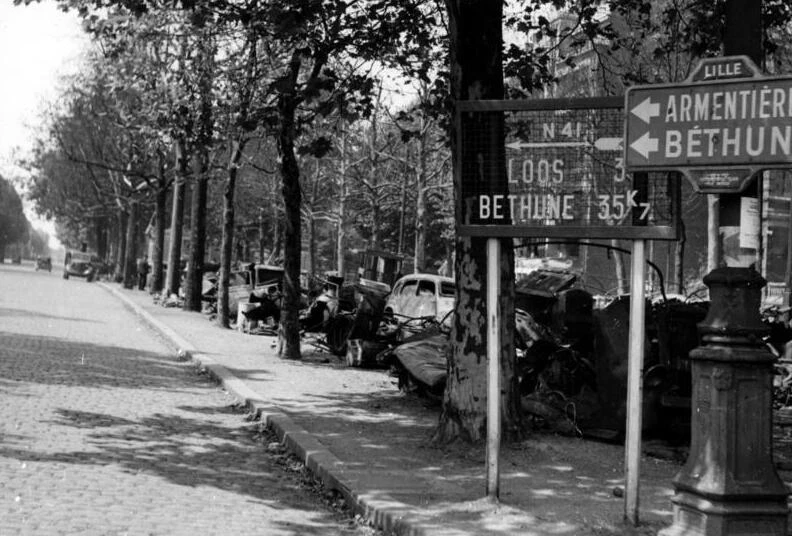
The Lille Pocket
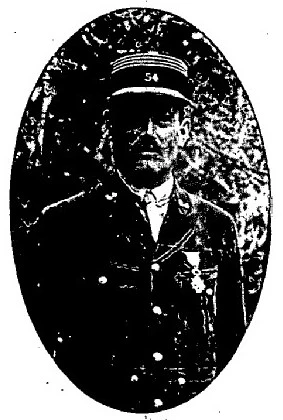
Touchon on the Aisne — Fall Rot
Bulson — Lafontaine and the 02:00 rumour
The Defence of Boulogne
Monthermé — Portzert in the Meuse loop
The panic of Bulson
Stonne — Billotte facing the Panzer column
The Battle of the Lys
Boulogne — Fox-Pitt and the Guards facing the port
Calais — Nicholson facing the ultimatum
The Lille Pocket
Touchon on the Aisne — Fall Rot
Bulson — Lafontaine and the 02:00 rumour
The Defence of Boulogne
Monthermé — Portzert in the Meuse loop
The panic of Bulson
Stonne — Billotte facing the Panzer column