
Le feu plutot que l'ennemi
The Dutch East Indies are one of Asia's largest oil suppliers: Sumatra, Borneo and their refineries feed a decisive share of the regional market. For a Japan thirsting for fuel, these fields are a prime target.
In 1939, tensions are rising. If invasion comes, the issue is no longer to defend the wells, which are militarily untenable, but to decide their fate.
Should everything be destroyed to deny the invader this resource, should the installations be preserved in the hope of recovering them intact, or should the most valuable equipment be discreetly dispersed?
What should be done with the Indies' oil fields in the face of the Japanese threat?
The Dutch authorities opted for sabotage. During the Japanese advance in early 1942, the fields and refineries (Tarakan, Balikpapan, Palembang) were set ablaze and destroyed. The Japanese brought only a fraction of the capacity back into service, and at the cost of long delays; the chronic lack of fuel would weigh heavily on their navy and air force in the years that followed.
Learn more about this event
Related polls
10

Fokker against the clock
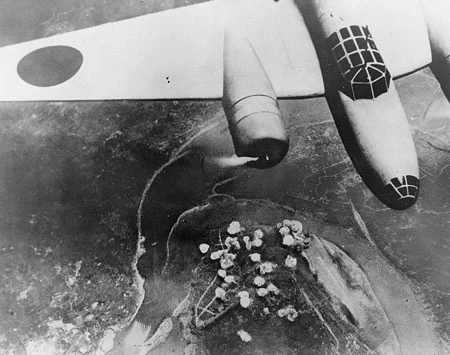
Chongqing Under the Bombs

Eindhoven under the heel: the lamp empire put to the test
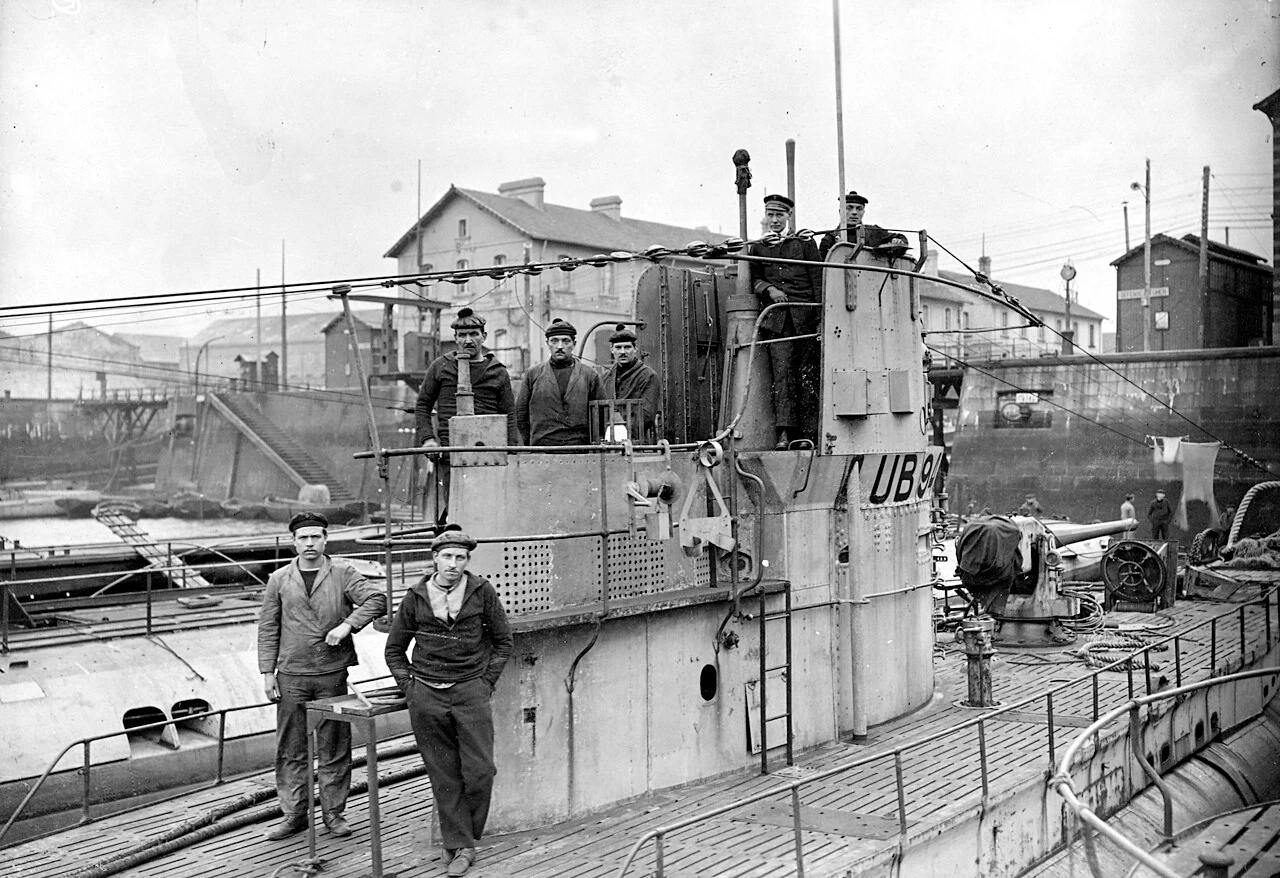
The Cherbourg arsenal in the face of Rommel
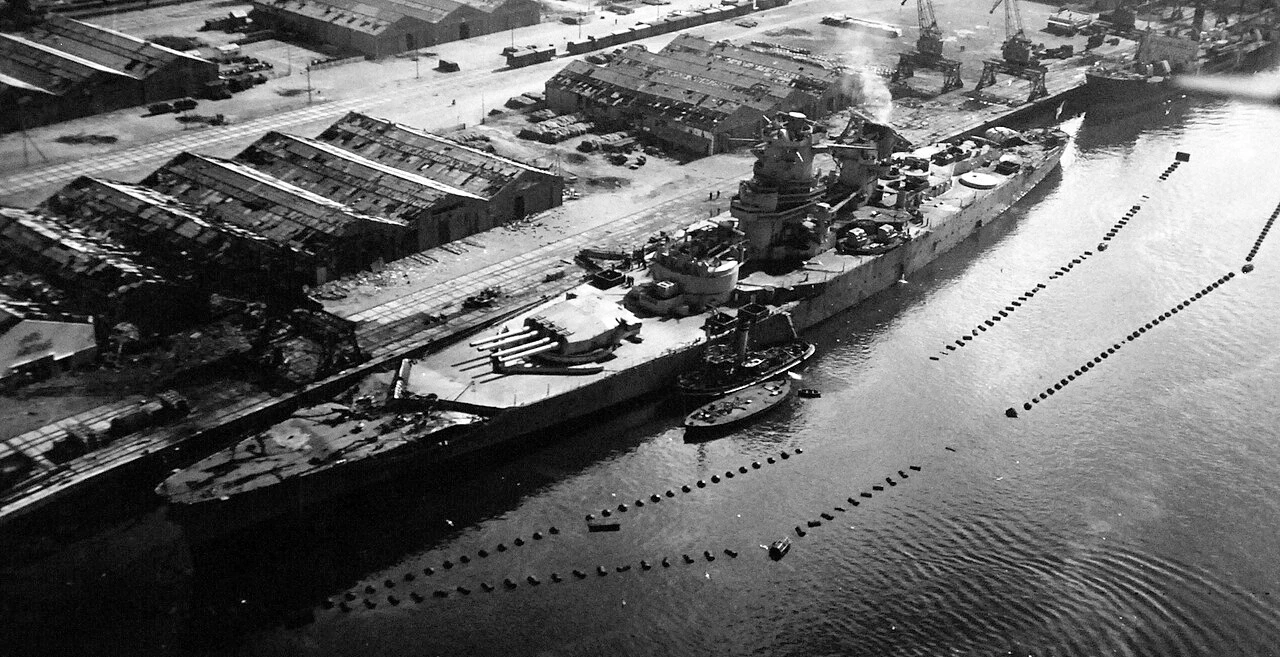
The Unfinished Battleship of Saint-Nazaire
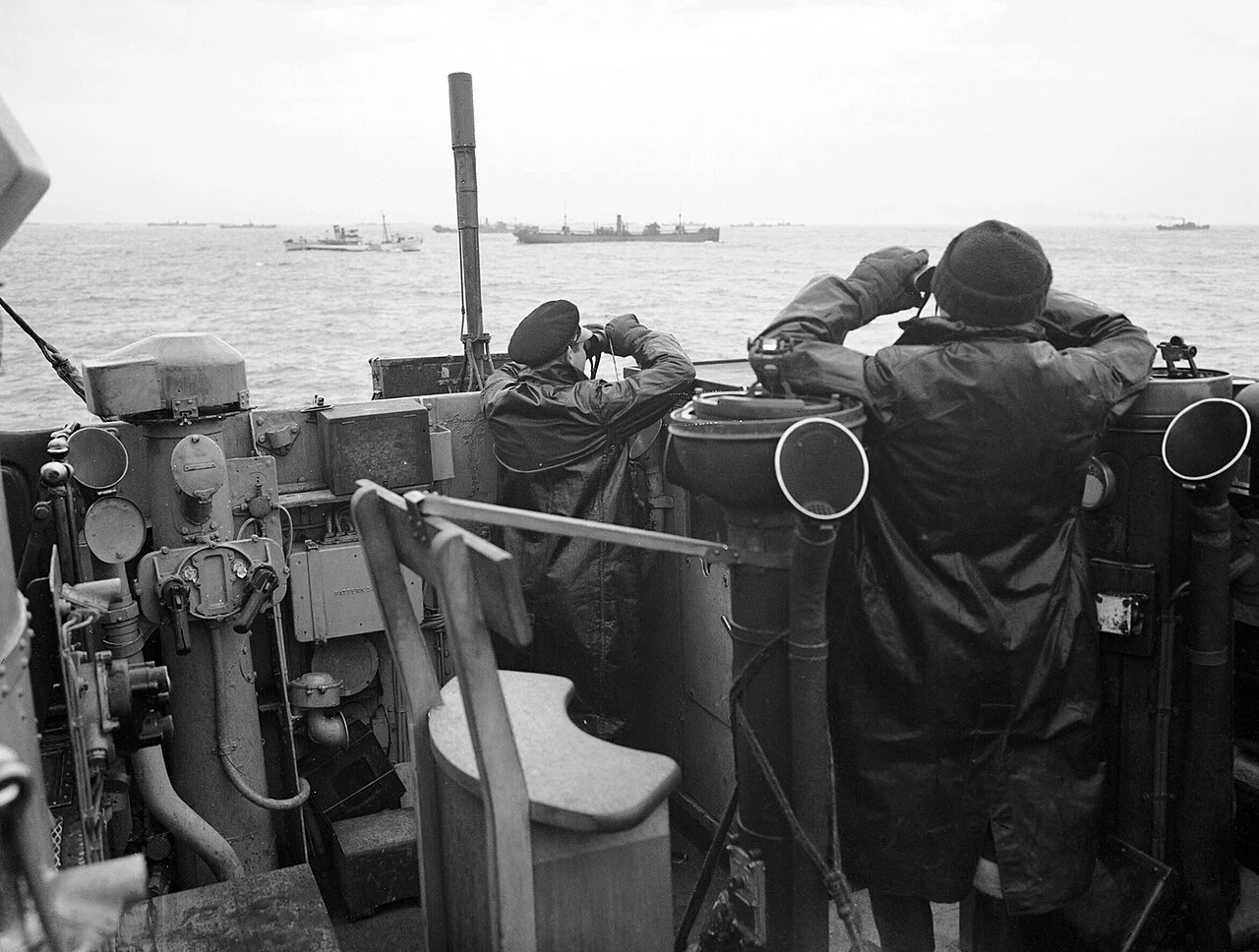
The black hole of the Atlantic, October 1941
Romania Caught Between Two Fires
Shell, 10 May 1940: the head office in the turmoil of the invasion
Wilton-Fijenoord: the shipyard's management faces the occupier

Chain Home — the Invisible Wall
Fokker against the clock
Chongqing Under the Bombs
Eindhoven under the heel: the lamp empire put to the test
The Cherbourg arsenal in the face of Rommel
The Unfinished Battleship of Saint-Nazaire
The black hole of the Atlantic, October 1941
Romania Caught Between Two Fires
Shell, 10 May 1940: the head office in the turmoil of the invasion
Wilton-Fijenoord: the shipyard's management faces the occupier