
Aluminum production depends on cryolite, a rare mineral whose only major natural deposit in the world is found at Ivigtut, on the west coast of Greenland, then a Danish colony. Without it, American smelters run at reduced capacity.
In the autumn of 1939, American stocks cover only a few months of production. War has just broken out in Europe and Denmark is exposed: a naval blockade or an occupation would cut off the mineral's supply route overnight.
A decision must be made quickly, with no certainty about the war's duration or Denmark's fate. Should the bet be placed on the Greenlandic mineral, on chemistry, or should the risk be spread across the world?
How can the American supply of cryolite be secured in the autumn of 1939?
The United States gave priority to securing the Greenlandic mineral directly: agreements were made to buy the cryolite from Ivigtut and to build up safety stocks. After the invasion of Denmark in April 1940, Washington effectively placed Greenland under protection (the 1941 agreement negotiated with the Danish minister ) and kept the mine in operation throughout the war. Research into synthetic cryolite was carried out in parallel and would succeed later, but it was indeed the physical stockpile built up as early as 1939-1940 that made it possible to hold out.
Learn more about this event
Related polls
10
Buy Each for Themselves or with a Single Voice
Persuade or Compel Industry
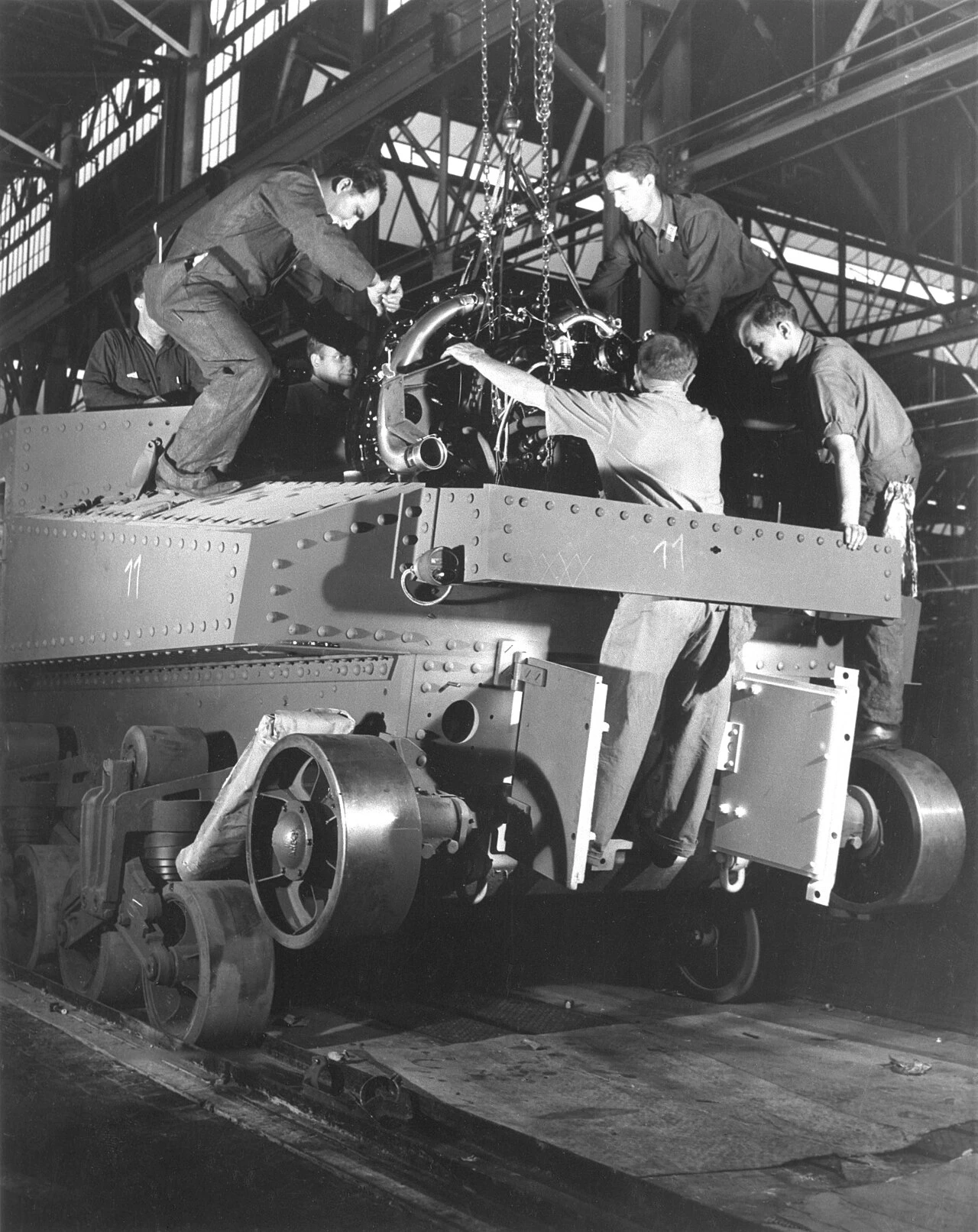
Should Detroit start building tanks?
Should Stalin Be Armed?
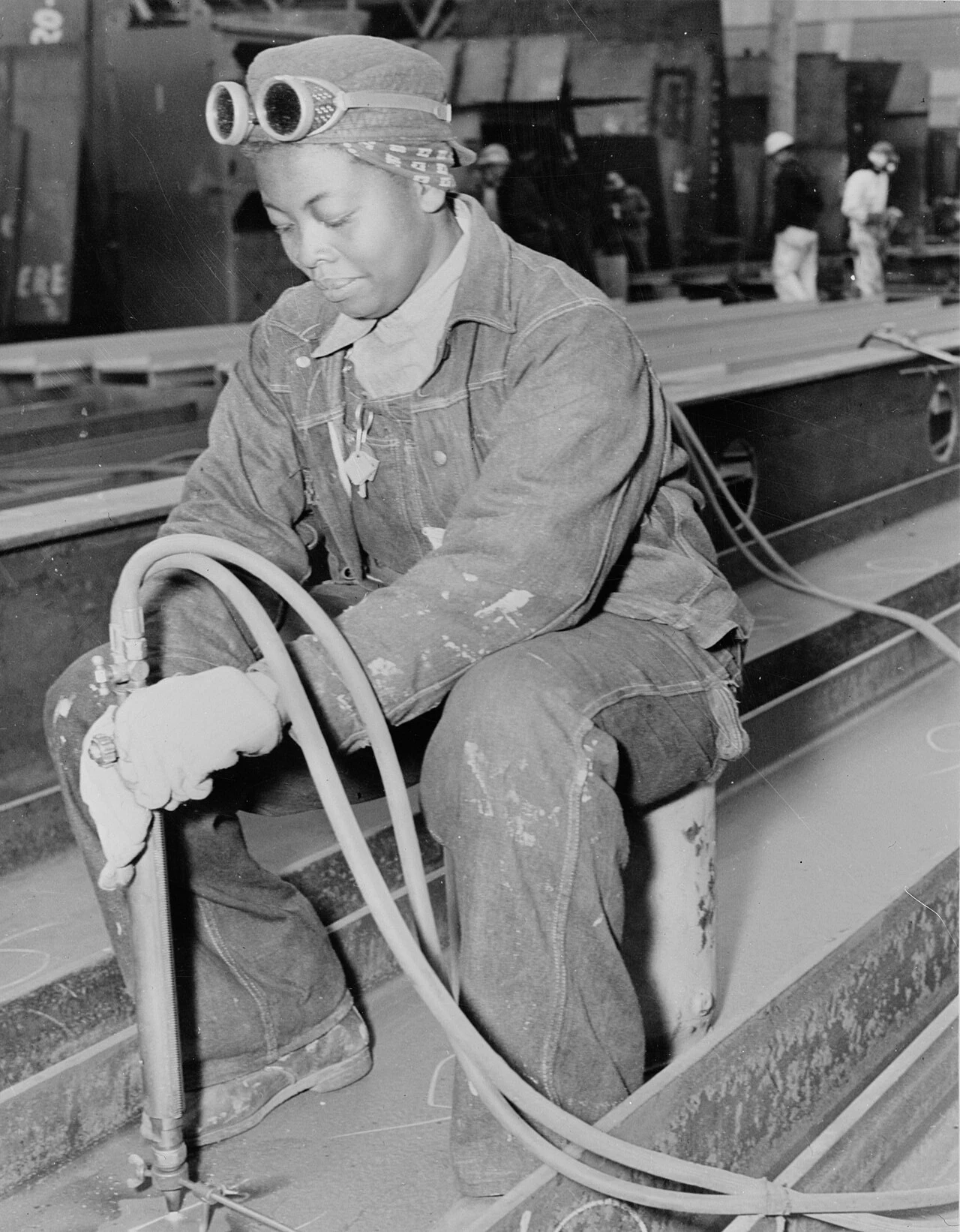
Kaiser, the Rivet and the Electric Arc
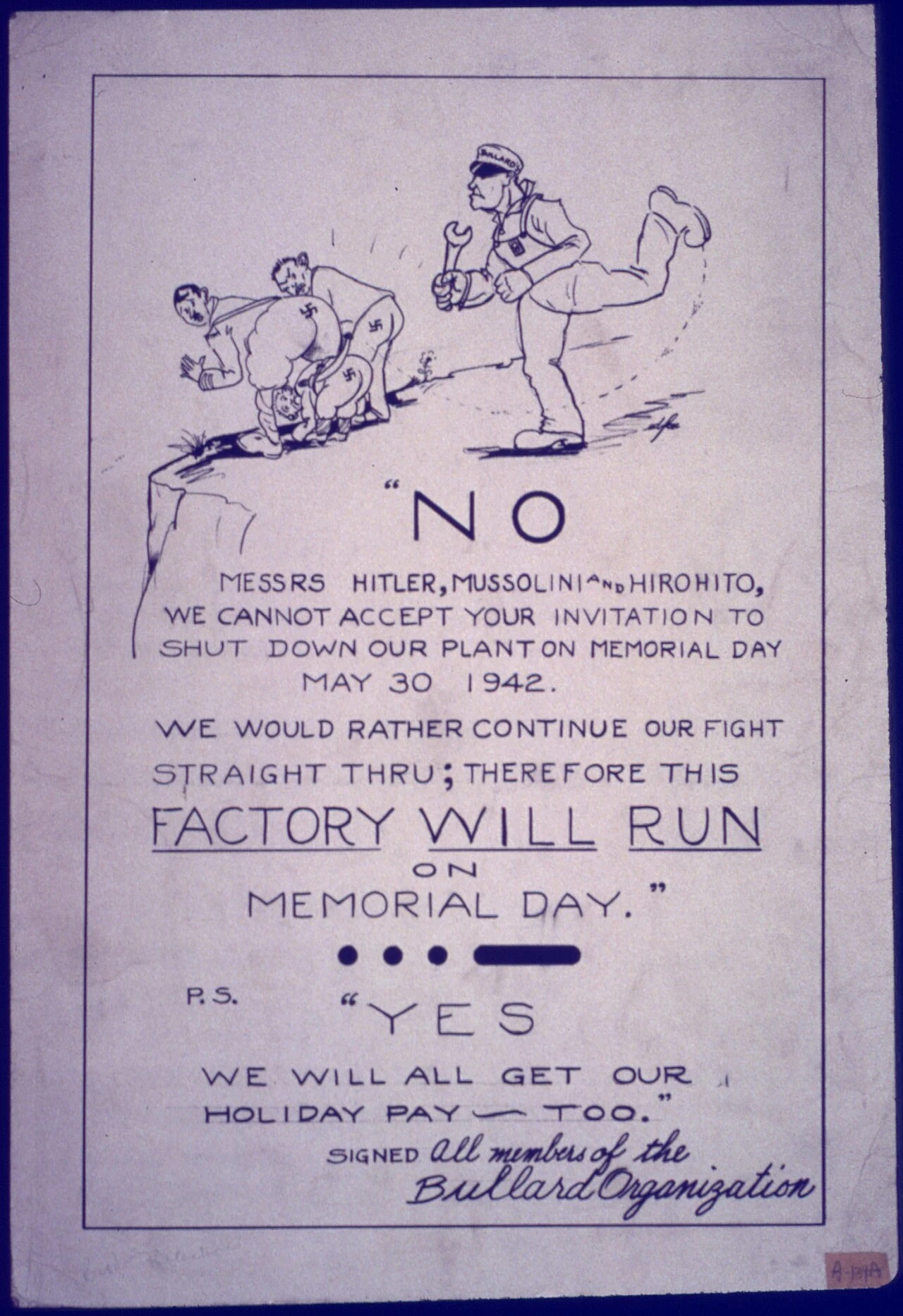
America Shifts to a War Economy
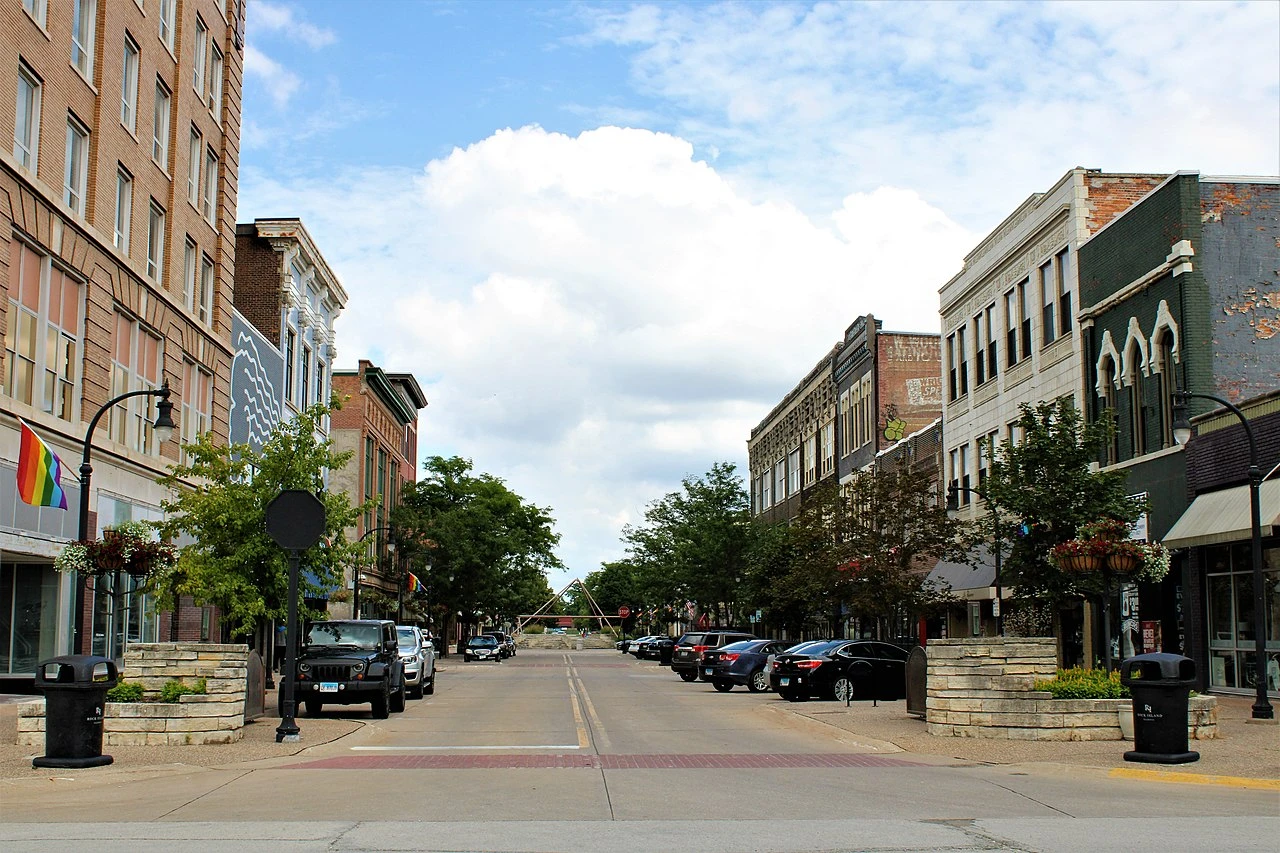
The Forgotten Tooling at Rock Island
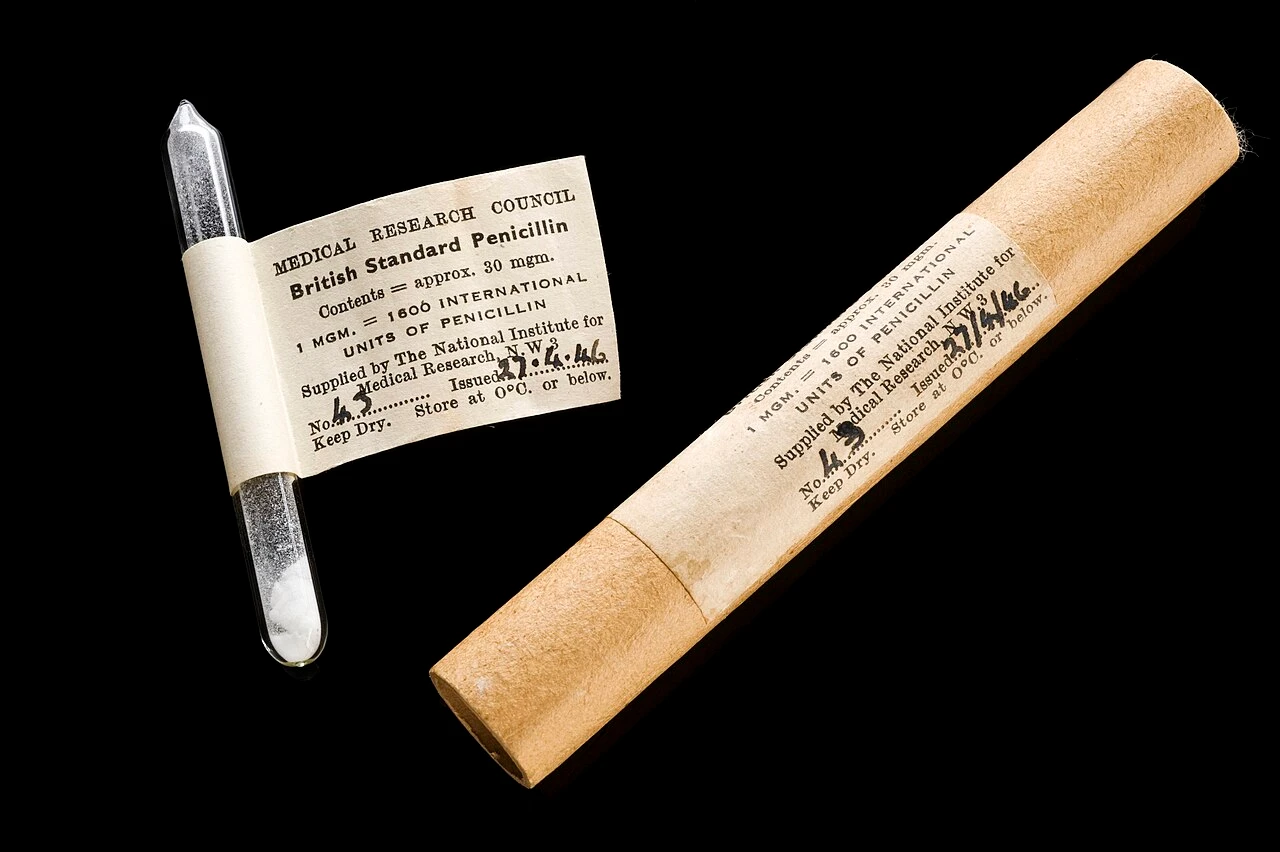
Rationing Penicillin
Opel under the wartime Reich: what does General Motors do?
The Gold of the Bank of Poland — the destination of the SS Eocene
Buy Each for Themselves or with a Single Voice
Persuade or Compel Industry
Should Detroit start building tanks?
Should Stalin Be Armed?
Kaiser, the Rivet and the Electric Arc
America Shifts to a War Economy
The Forgotten Tooling at Rock Island
Rationing Penicillin
Opel under the wartime Reich: what does General Motors do?