
Gilbert Renault — the road to London
, 35, is an art dealer and film producer, a Catholic and a monarchist close to Action Française. In June 1940 he is with his family at Saint-Jean-de-Luz, near the Spanish border. He hears the Appeal of 18 June on British radio and decides at once to join de Gaulle in London.
But the way is not obvious. The Vichy police are beginning to watch the south-western ports; finding a boat, crossing the Spanish border, traversing a Francoist Spain favourable to the Axis, all amount to an obstacle course. Renault speaks Spanish and English, which opens options.
Three itineraries present themselves: a fishing boat heading straight for England, short but dangerous in the Bay of Biscay; the overland route through Spain and Portugal, longer but safer; or a legal departure for Casablanca with a later transfer. The choice involves not only his safety but that of his wife and daughter, who accompany him.
Which itinerary should Renault take to reach London?
Renault chooses B. He leaves Saint-Jean-de-Luz on 19 June with his family, crosses into Spain, reaches Lisbon, and embarks for England, where he arrives in early August 1940. In London he meets de Gaulle and the future head of Free French intelligence, ("Passy"). Under the pseudonym "Colonel Rémy," he founds and runs from the end of 1940 the Confrérie Notre-Dame, one of the most important intelligence networks of the Resistance, which will provide London with crucial information, including the plan of the Atlantic Wall defences before D-Day. His departure of June 1940 illustrates the improvised paths by which the first Free French networks were built.
Learn more about this event
Related polls
10
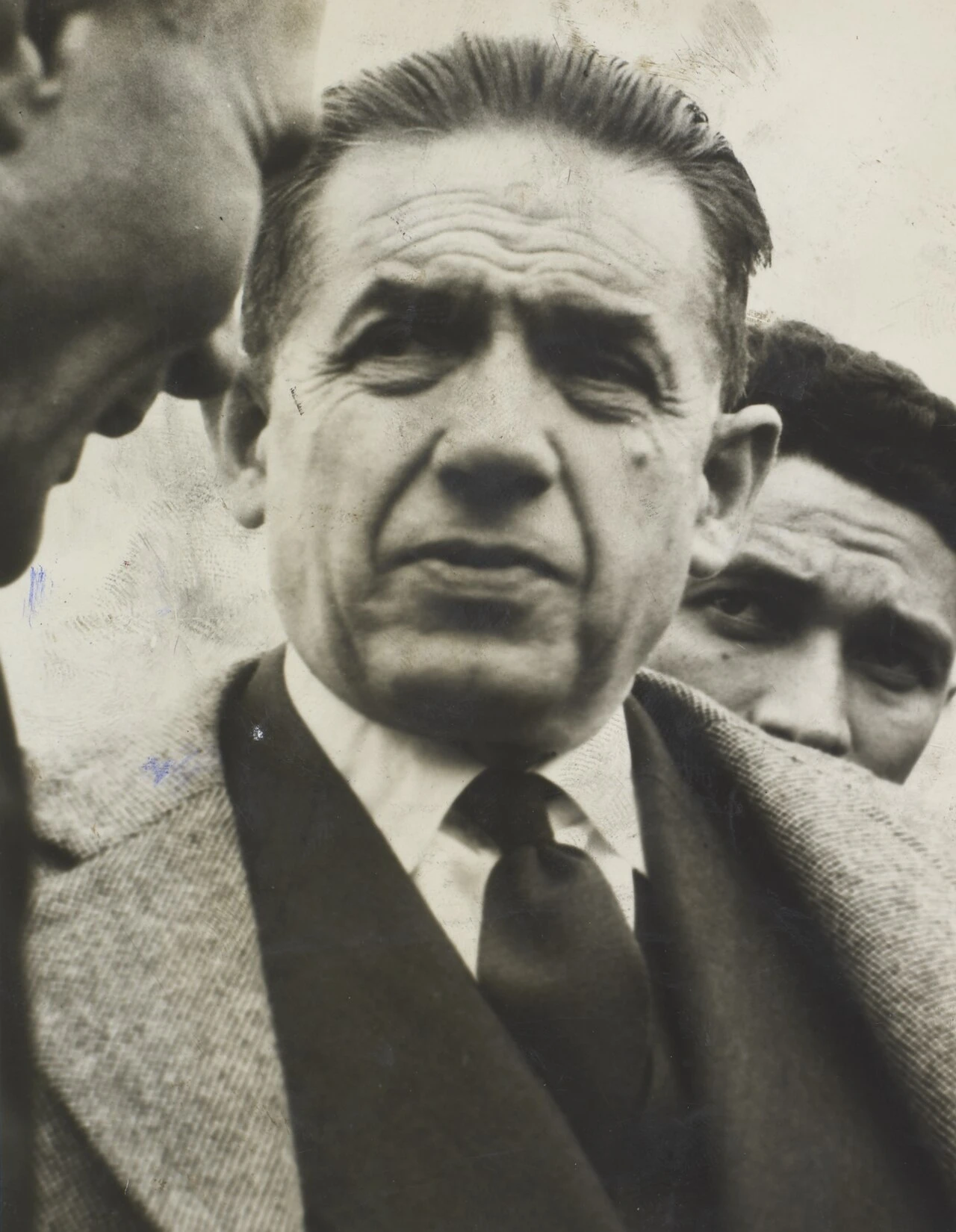
Edmond Michelet — Brive leaflet, 18 June
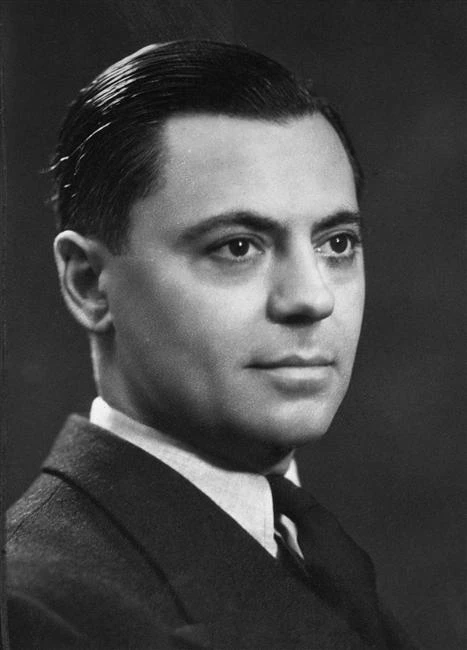
Jean Moulin — Chartres, 17 June
The Massilia — Bordeaux 21 June
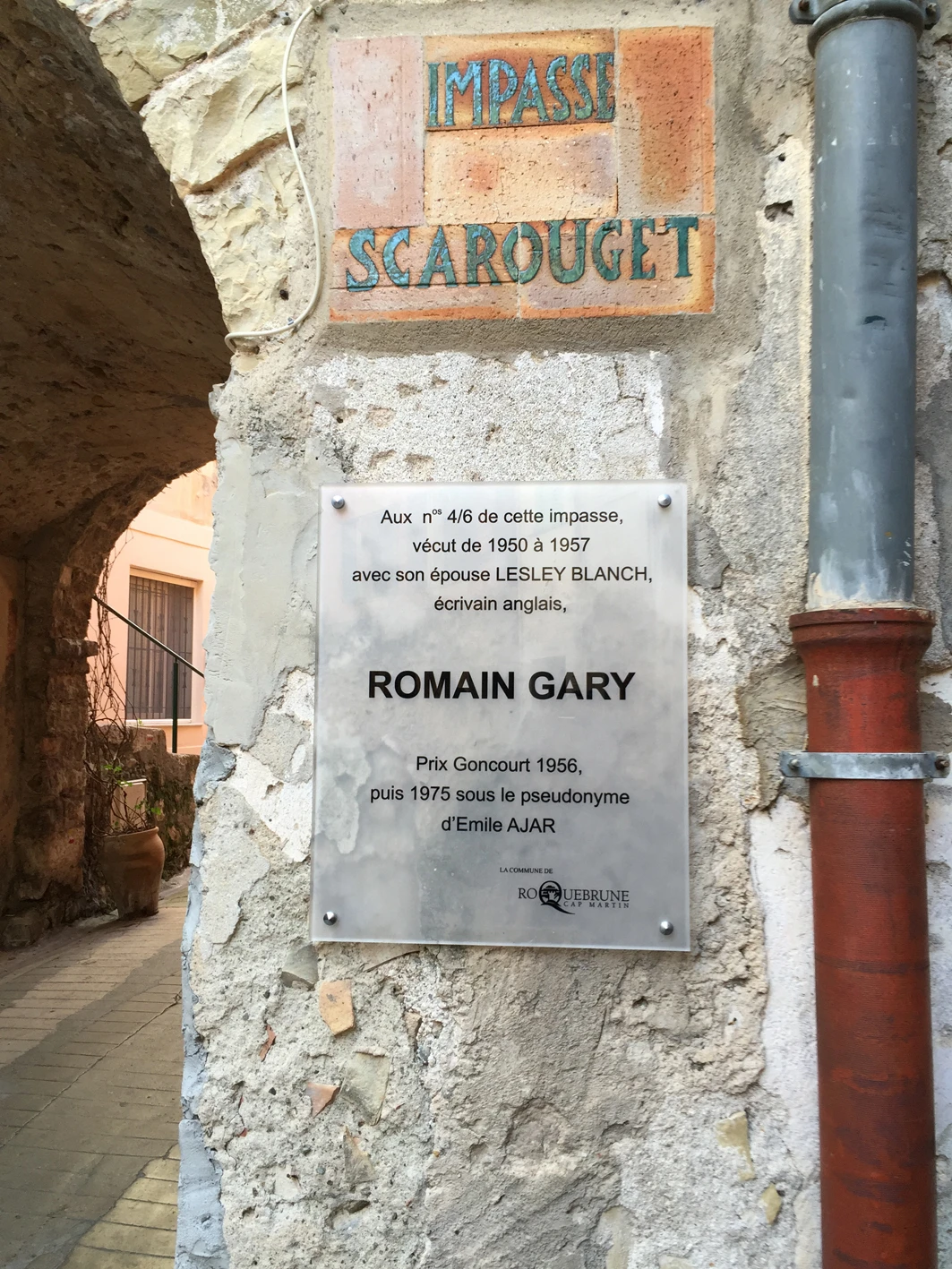
Romain Gary at Salon — 17 June
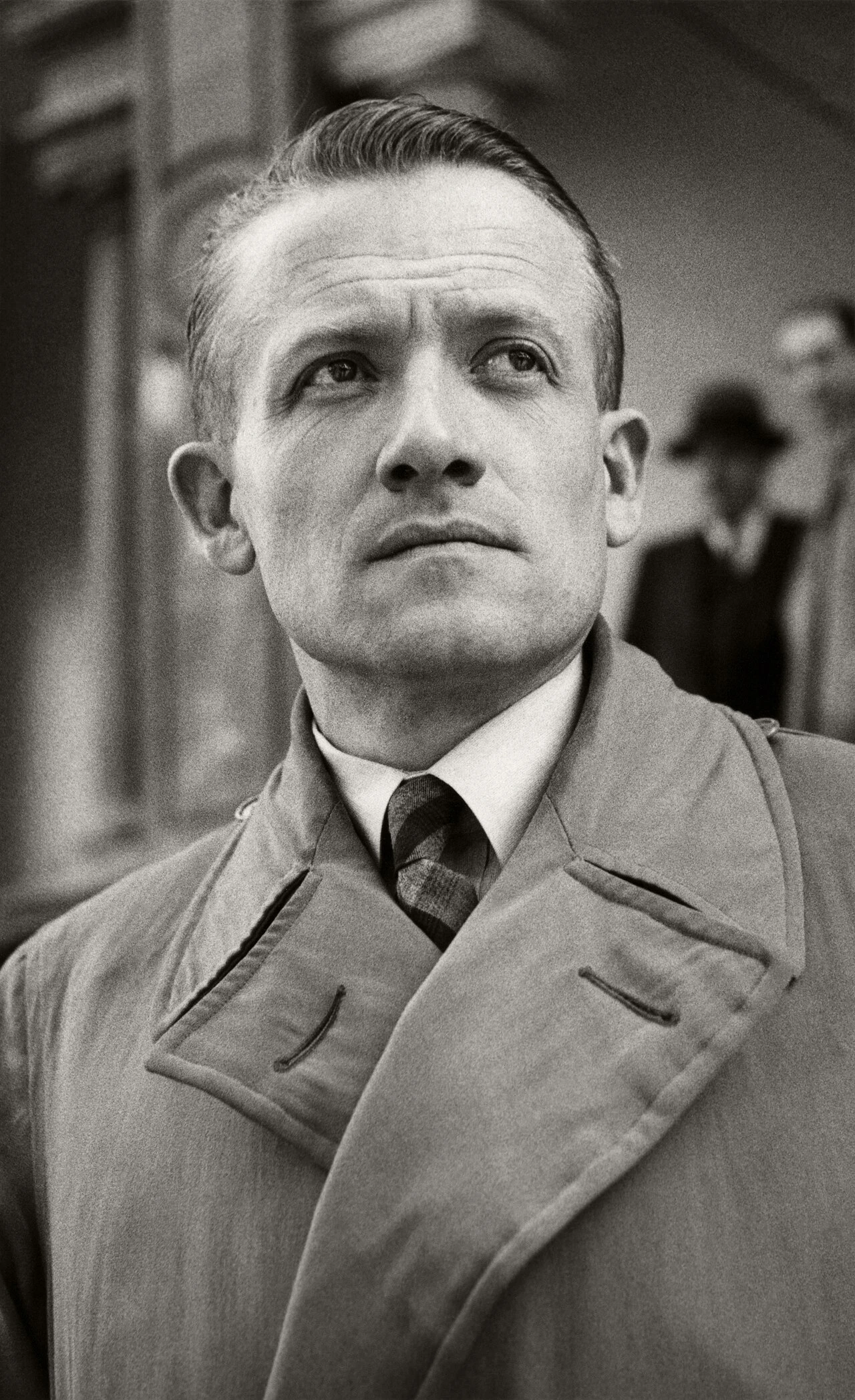
Henri Frenay at Marseille — August 1940
René Cassin Reaches London — 29 June
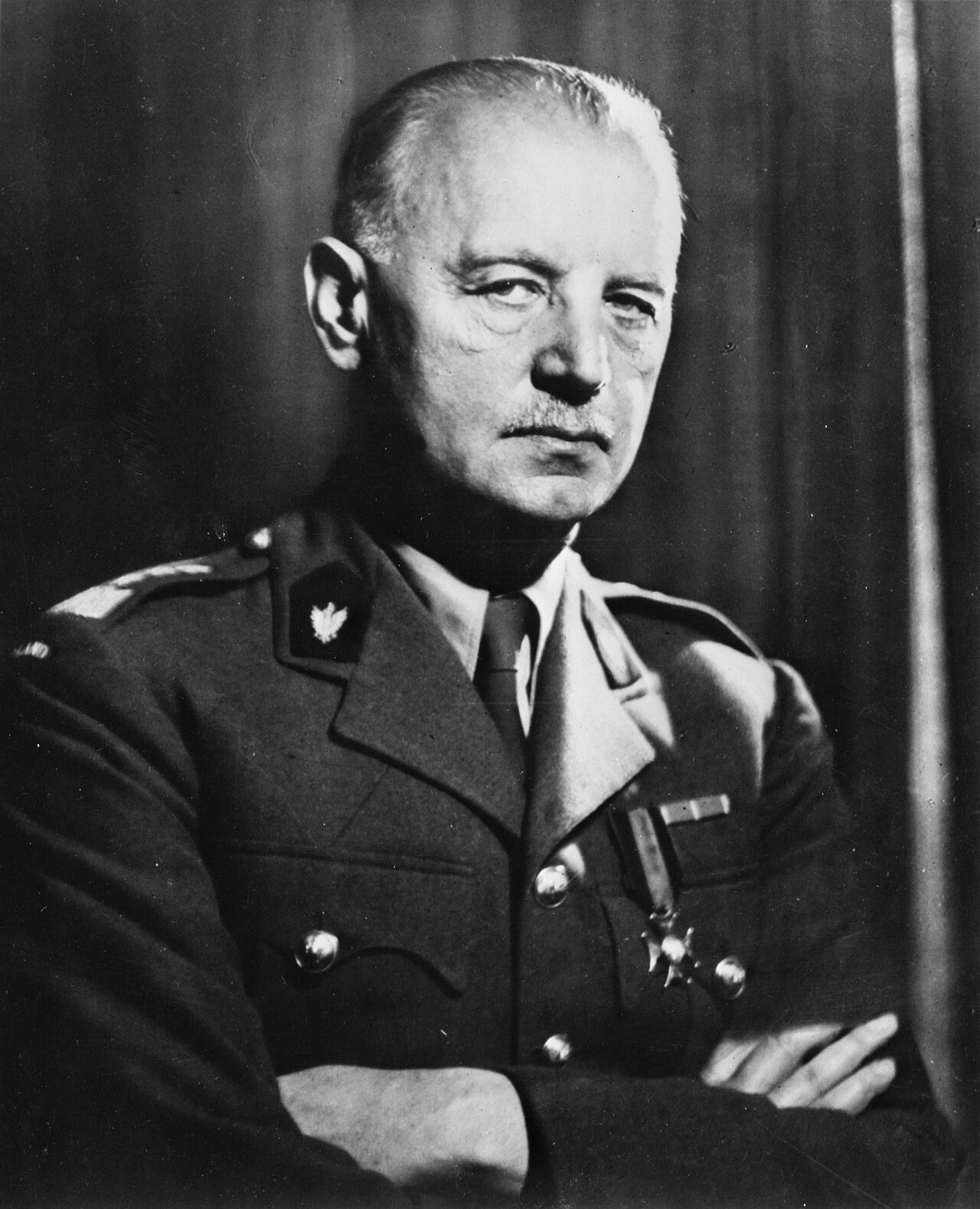
Sikorski leaves Bordeaux — 18 June
Carmille and the Vichy Punch Cards
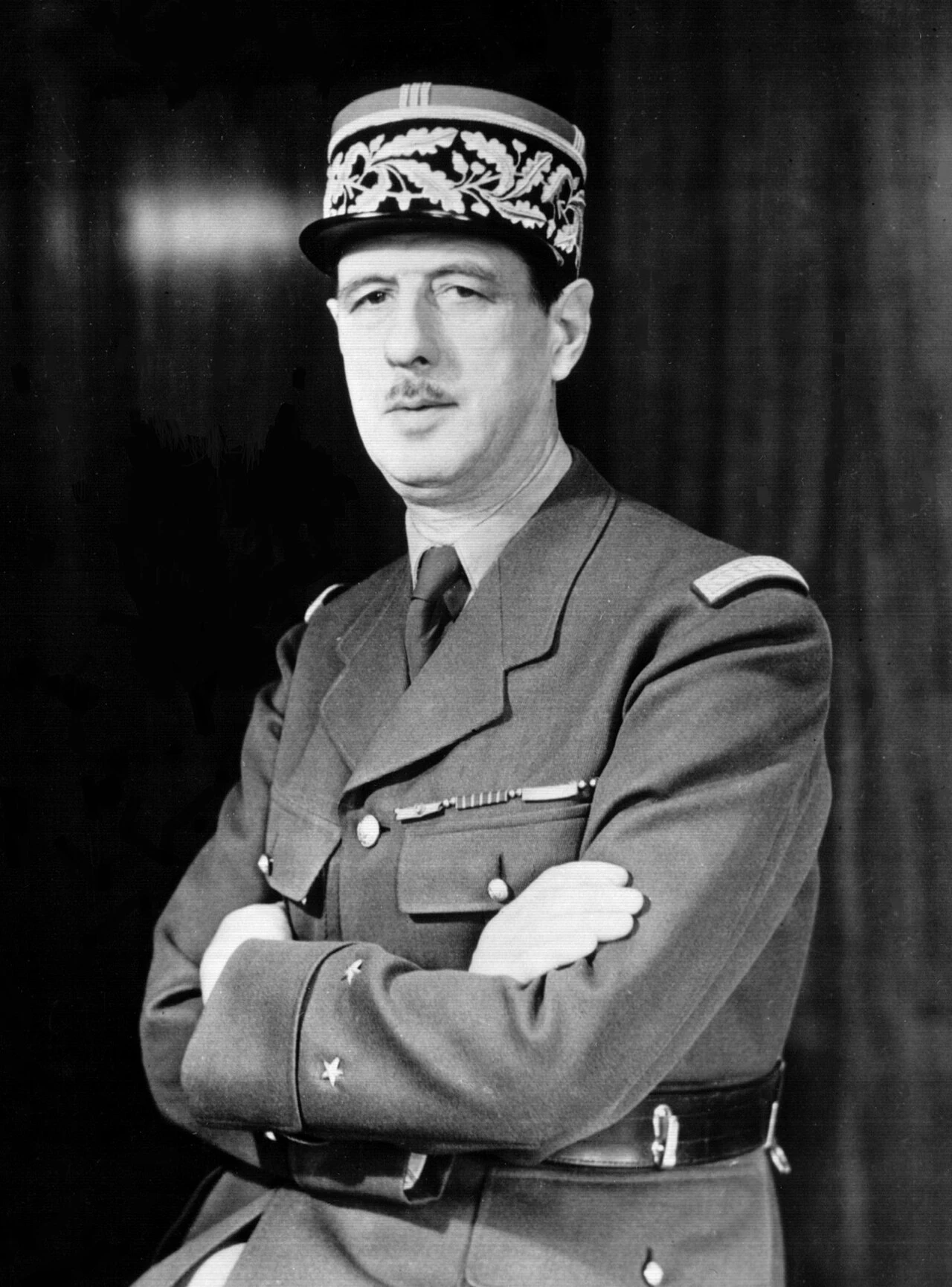
De Gaulle at the BBC microphone — 18 June, 18:00
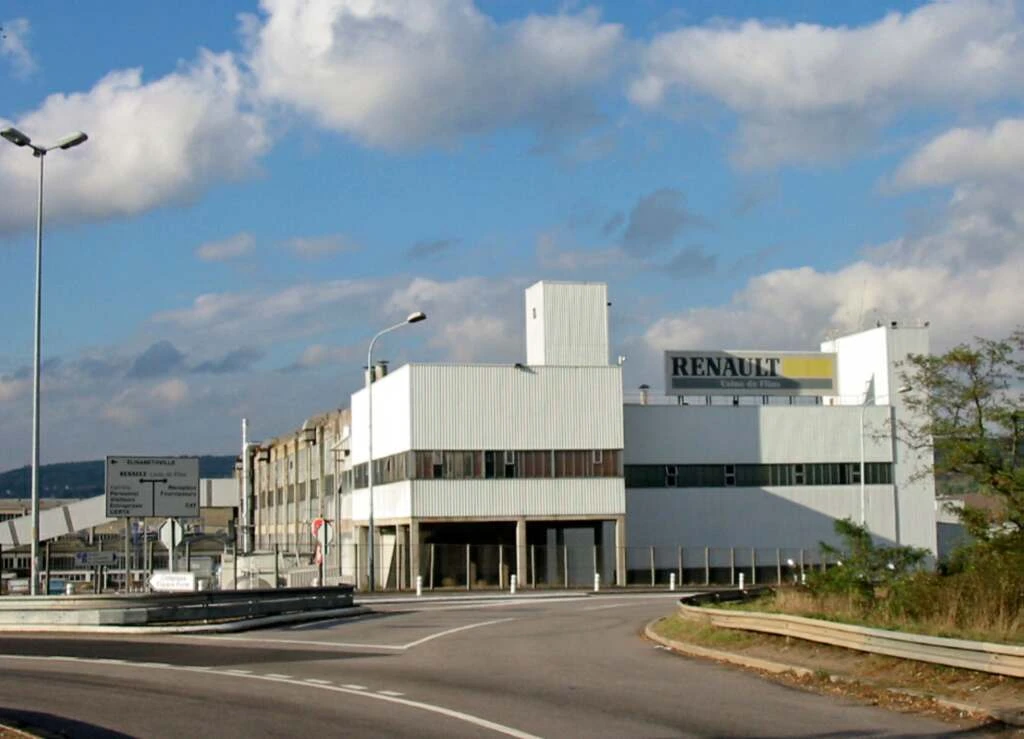
Billancourt under threat: the old boss and his machines
Edmond Michelet — Brive leaflet, 18 June
Jean Moulin — Chartres, 17 June
The Massilia — Bordeaux 21 June
Romain Gary at Salon — 17 June
Henri Frenay at Marseille — August 1940
René Cassin Reaches London — 29 June
Sikorski leaves Bordeaux — 18 June
Carmille and the Vichy Punch Cards
De Gaulle at the BBC microphone — 18 June, 18:00