
Lotta Svärd — Luukkonen and mobilisation
The Lotta Svärd Union is Finland's paramilitary women's organisation, founded on 9 September 1921 and named in tribute to the character of Lotta Svärd in the national poem The Tales of Ensign Stål by (1848) — the figure of a wife who followed her soldier husband into combat and tended the wounded. On the eve of the war, in November 1939, the Union counts 105,000 active members (100,000 of them assigned to military auxiliary service), divided into seven service branches: medical, food, equipment, signals, propaganda, anti-aircraft (Aune) and canine. It is the largest women's paramilitary organisation in the free world in 1939, in proportion to population (Finland: 3.7 million inhabitants).
On mobilisation on 30 November 1939 the Finnish military command (Mannerheim) folds the Lotta Svärd straight into the operational chain. President , 57, a former schoolteacher, has run the organisation since 1929. She has negotiated a clear status with Mannerheim: the Lottas serve in auxiliary roles (no direct combat, no personal weapons) but under military discipline (regular uniform, ranks, hierarchy). The age range of service runs from 16 to 65.
Strength deployed at the front in December 1939: 22,000 Lottas embedded with the units, 40,000 in the rear (hospitals, depots, workshops). Tasks: care of the wounded on the battlefield, food distribution, anti-aircraft operations (the at Tikkurila in Helsinki is wholly composed of Lottas), translation of captured documents from Russian.
Luukkonen must settle the question of the Lottas in direct combat.
Should the Lottas be allowed to take part in direct combat?
Luukkonen and Mannerheim apply C. The AA Lottas are armed and fight (8 percent of Finnish AA batteries are majority-female in composition during the Winter War). Final Winter War toll for the Lottas: 66 dead (AA, front-line hospitals, vehicle accidents), 150 wounded, 5 Mannerheim Crosses. During the Continuation War 1941-1944 the Lottas peak at 242,000 members (an all-time record). In September 1944, at the armistice signed with the USSR, the Soviets demand the immediate dissolution of every paramilitary organisation, including the Lotta Svärd — deemed "fascist" by Moscow. On 23 November 1944 the Lotta Svärd Union is officially dissolved. Its assets are confiscated, its archives partially destroyed. Luukkonen is barred from political activity and placed under NKVD surveillance. She died in 1947 of a heart attack, aged 65. The Lotta legacy was not officially rehabilitated in Finland until 1991 (the fall of the USSR), with the founding of a Lotta Svärd museum at Tuusula. Today the modern sister organisation Naisten Valmiusliitto partly carries on the tradition.
Learn more about this event
Related polls
10
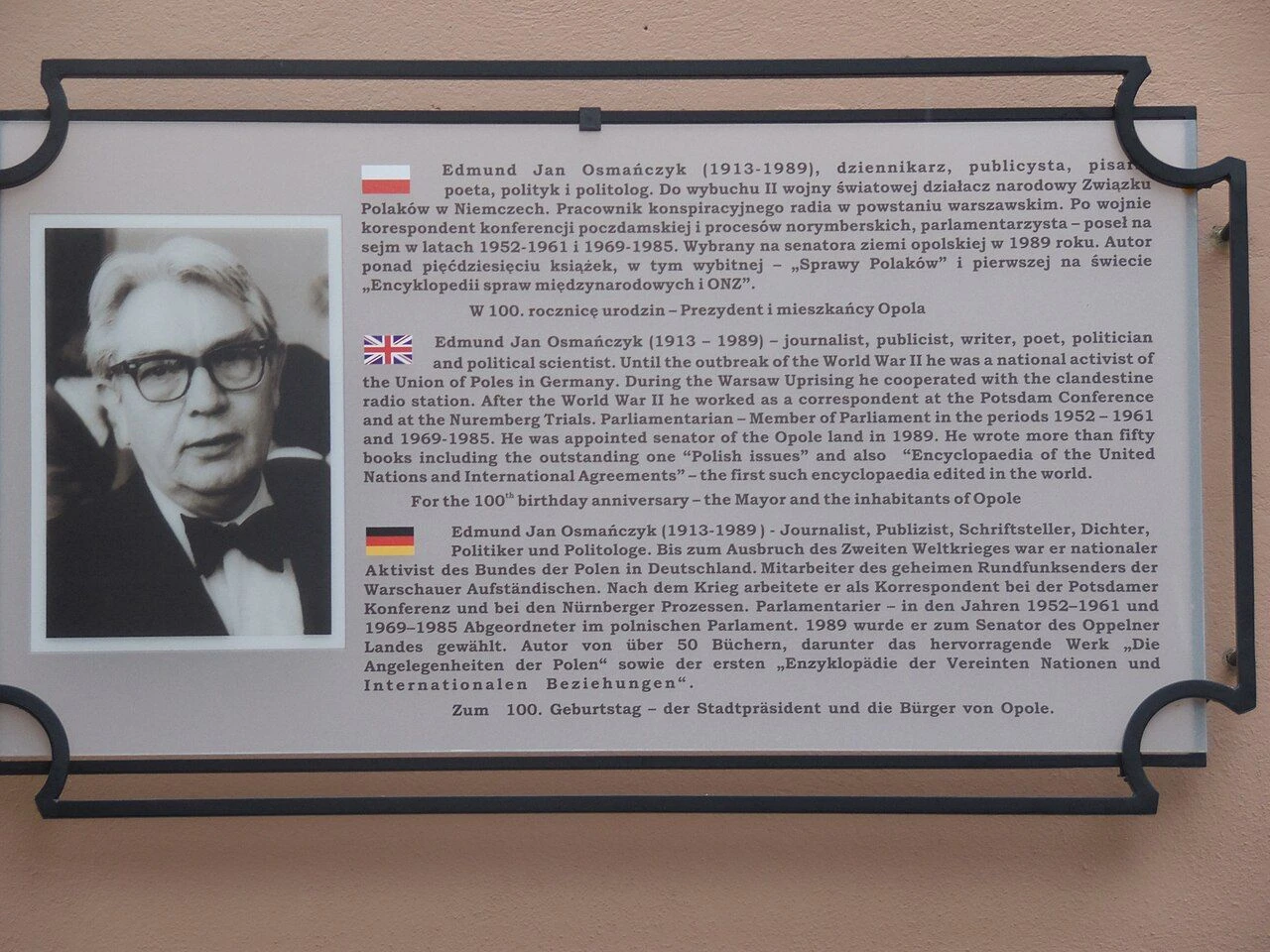
Tiilikainen at Yle — the war microphone
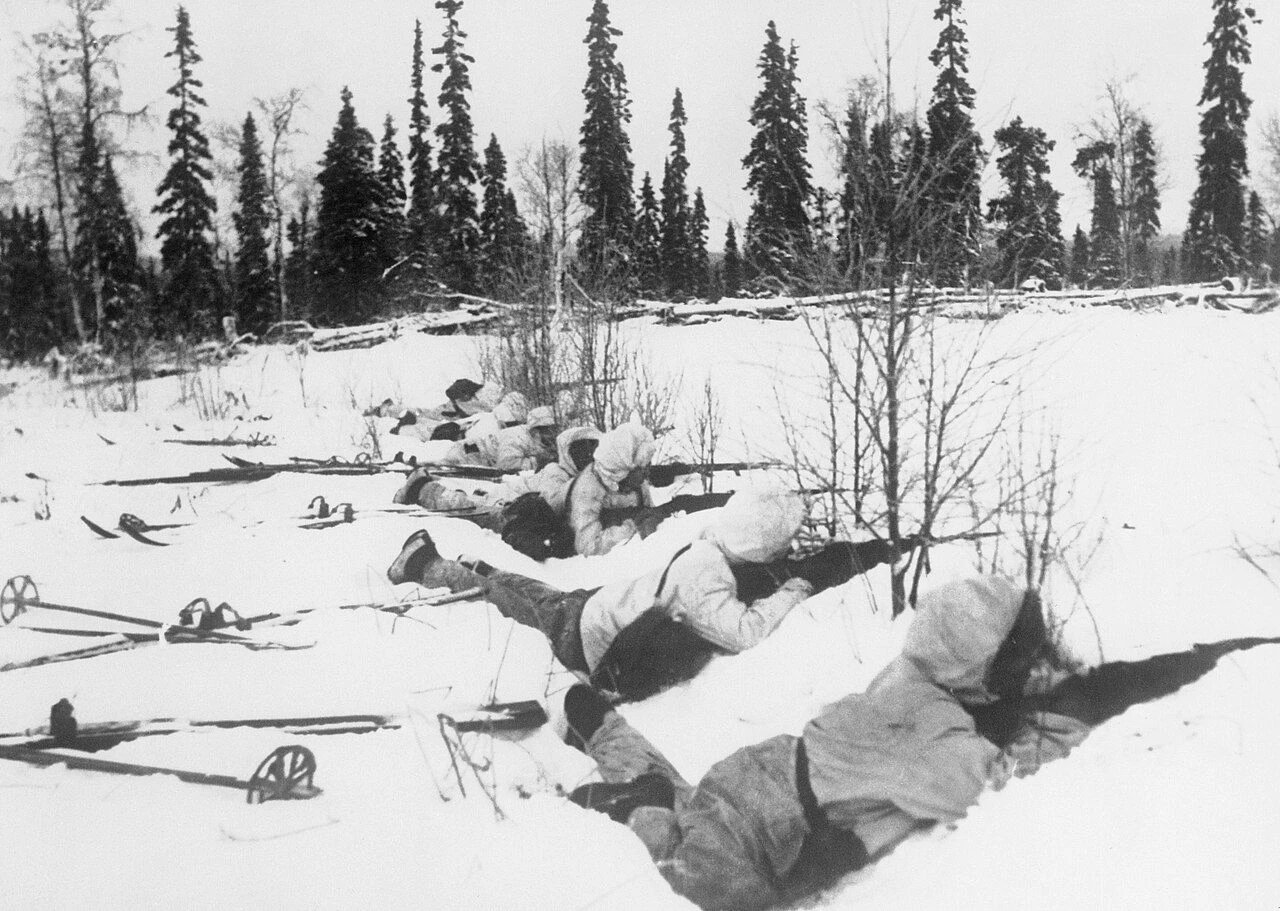
Joulun rauha — Christmas 1939 in the trenches
A Correspondent in Berlin
Czerniaków — the offer of the Judenrat
Erkko — the minister of 1 December
The Evacuation of the Children
Helsinki under the bombs — 30 November
Korczak — facing the siege of Warsaw
The Conscientious Objector
Father Kolbe — the Wehrmacht arrives at Niepokalanów
Tiilikainen at Yle — the war microphone
Joulun rauha — Christmas 1939 in the trenches
A Correspondent in Berlin
Czerniaków — the offer of the Judenrat
Erkko — the minister of 1 December
The Evacuation of the Children
Helsinki under the bombs — 30 November
Korczak — facing the siege of Warsaw
The Conscientious Objector