
In the summer of 1940, Hitler is at the peak of his glory: in six weeks he has struck down France, driven the British from the continent and subdued Western Europe, where Germany had exhausted itself for four years in 1914–1918. Back in Berlin, acclaimed, he enjoys immense prestige among the German people and undivided authority over his generals.
At the height of his power, Hitler must choose what comes next. He can seek an agreement with the United Kingdom, offering it a peace that would enshrine German domination of the continent. He can force the decision against England through invasion or blockade. Or he can turn to the East and his lifelong ideological objective: the crushing of the USSR and the conquest of "living space".
The intoxication of victory and the absence of internal opposition leave his hands free. This choice, made at the apogee of 1940, will determine the trajectory of the whole war — and, ultimately, the fate of the Reich.
At the height of his power, should Hitler seek an agreement with London, force the decision against England, or turn to the East?
Hitler first tries C and then A, before swinging towards B: on 19 July 1940, in the Reichstag, he issues an "appeal to reason" to London (while at the same time promoting twelve generals to the rank of Field Marshal) — rejected by Churchill. He then orders the preparation of the invasion (Sea Lion) and the Battle of Britain, which fails for lack of command of the air. From the autumn of 1940, convinced that he cannot subdue England directly and true to his ideological obsession, he turns his plans to the East: it will be Operation Barbarossa against the USSR in June 1941. The apogee of the summer of 1940 already contains the seed of the over-extension that will doom the Reich. The victory in the West was the summit — and the beginning of the end.
Learn more about this event
Related polls
10
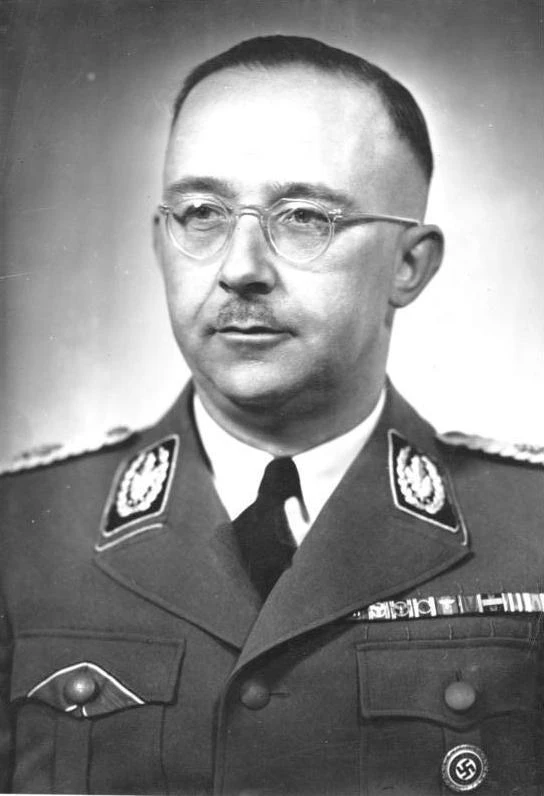
Himmler's memorandum to the Führer
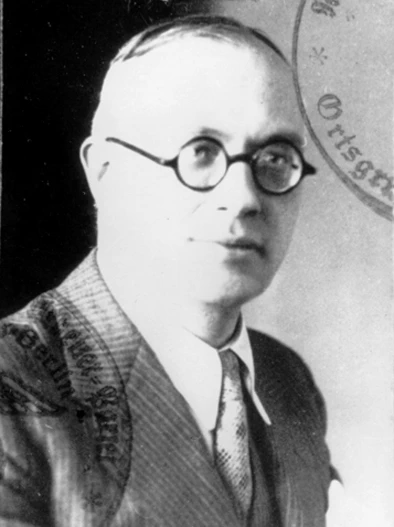
The Madagascar Plan on paper
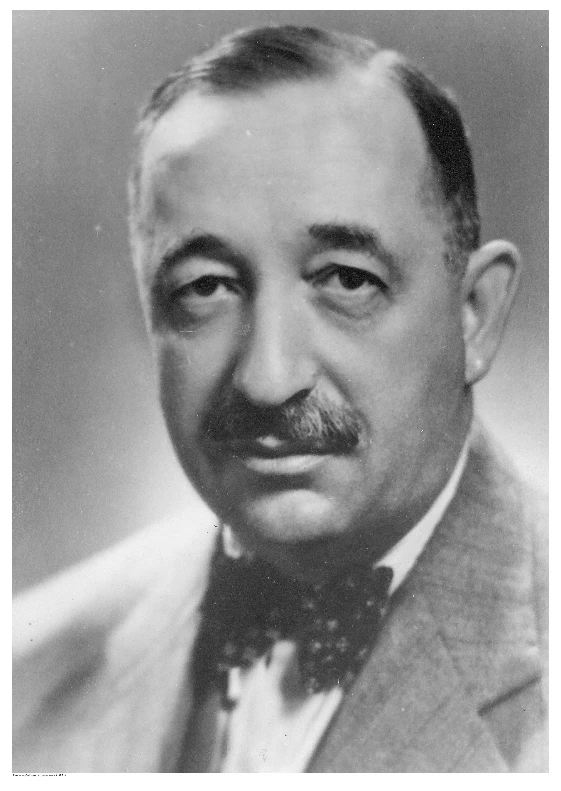
Bulgaria: lock of the Balkans, a price to pay
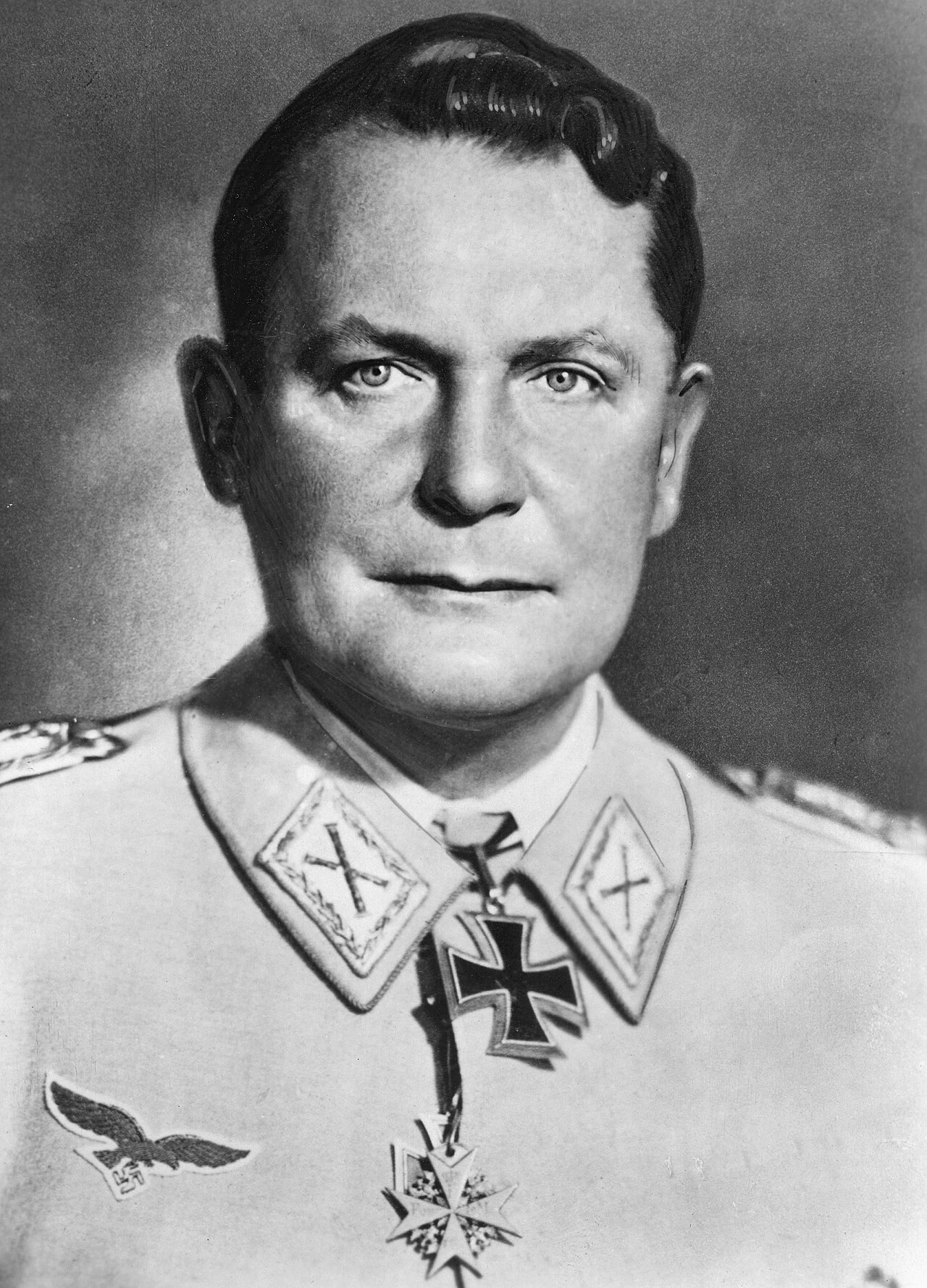
Goering at Carinhall — the promise to Hitler
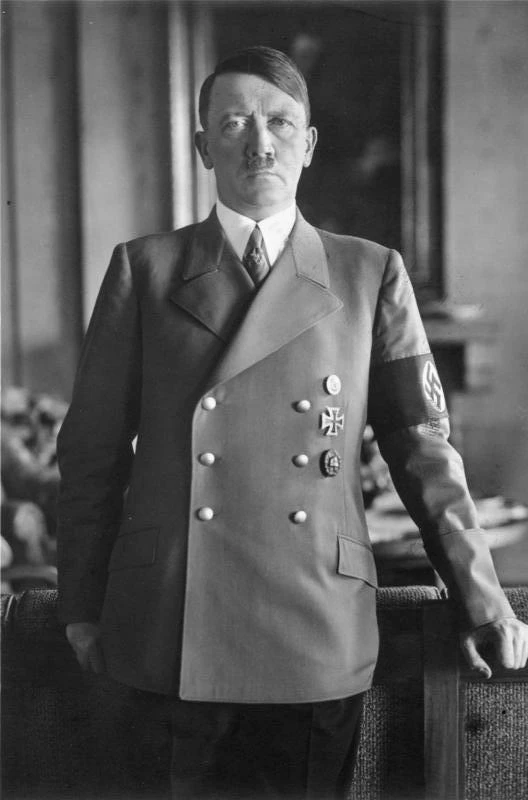
Hitler at Compiègne — 22 June 4:30 p.m.
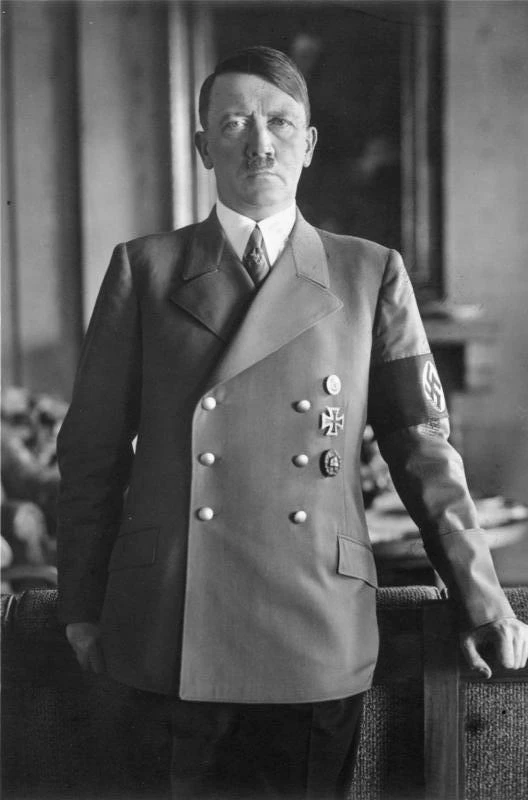
Hitler After Molotov — Berlin, November 1940
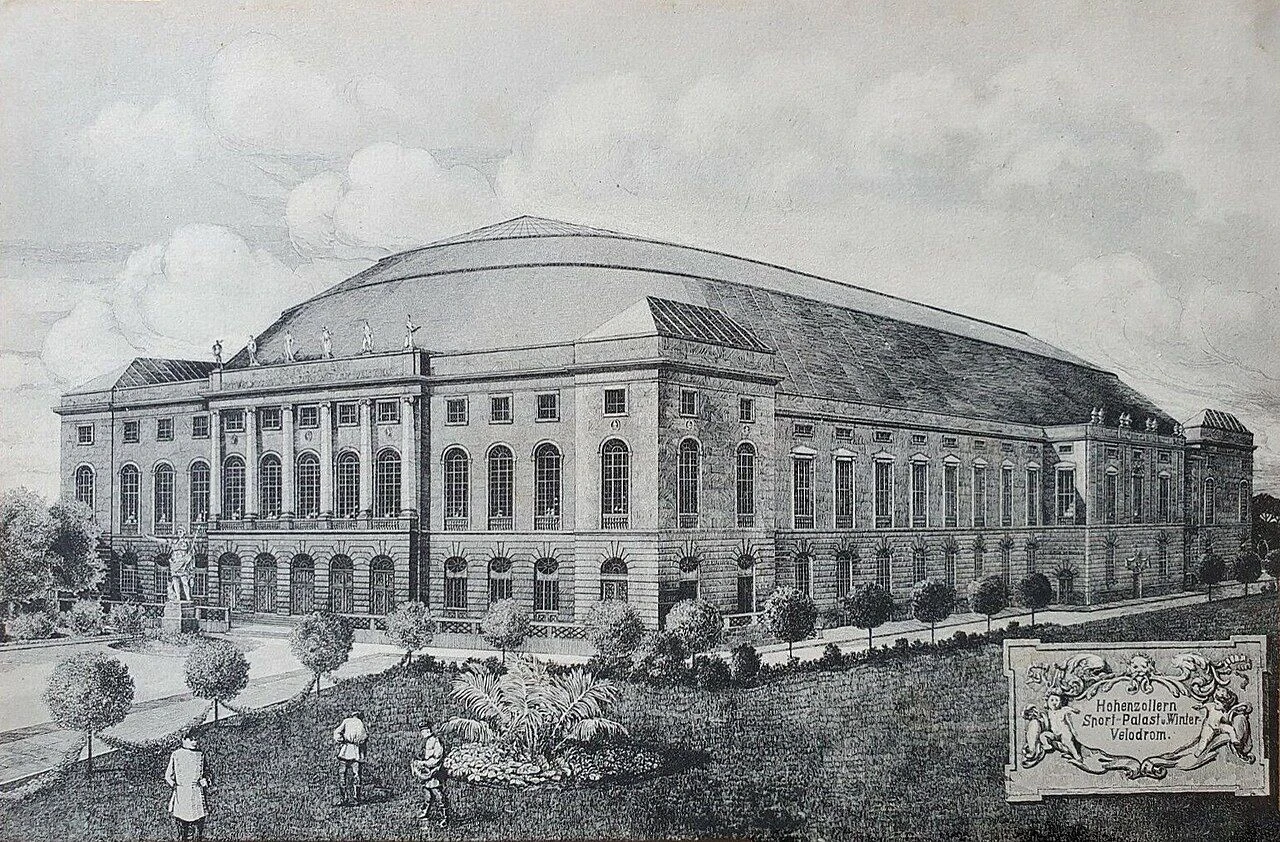
Hitler at the Sportpalast — 30 January, 8 pm
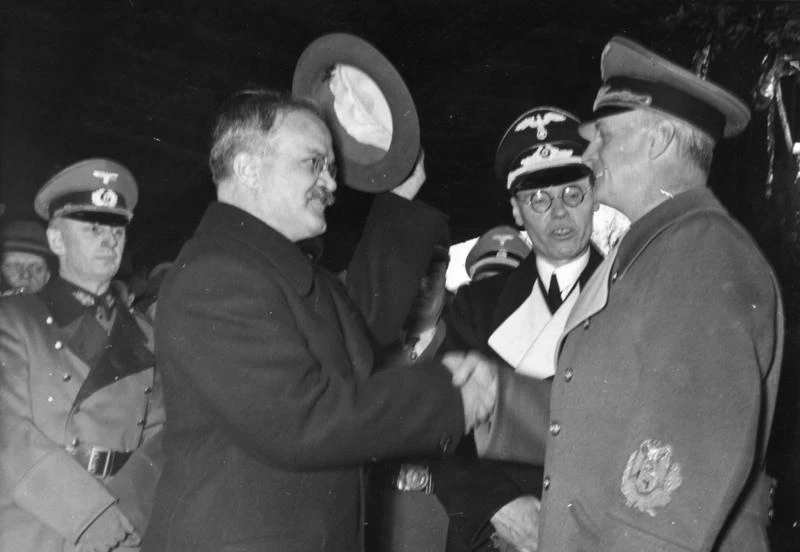
Molotov in Berlin — November 12
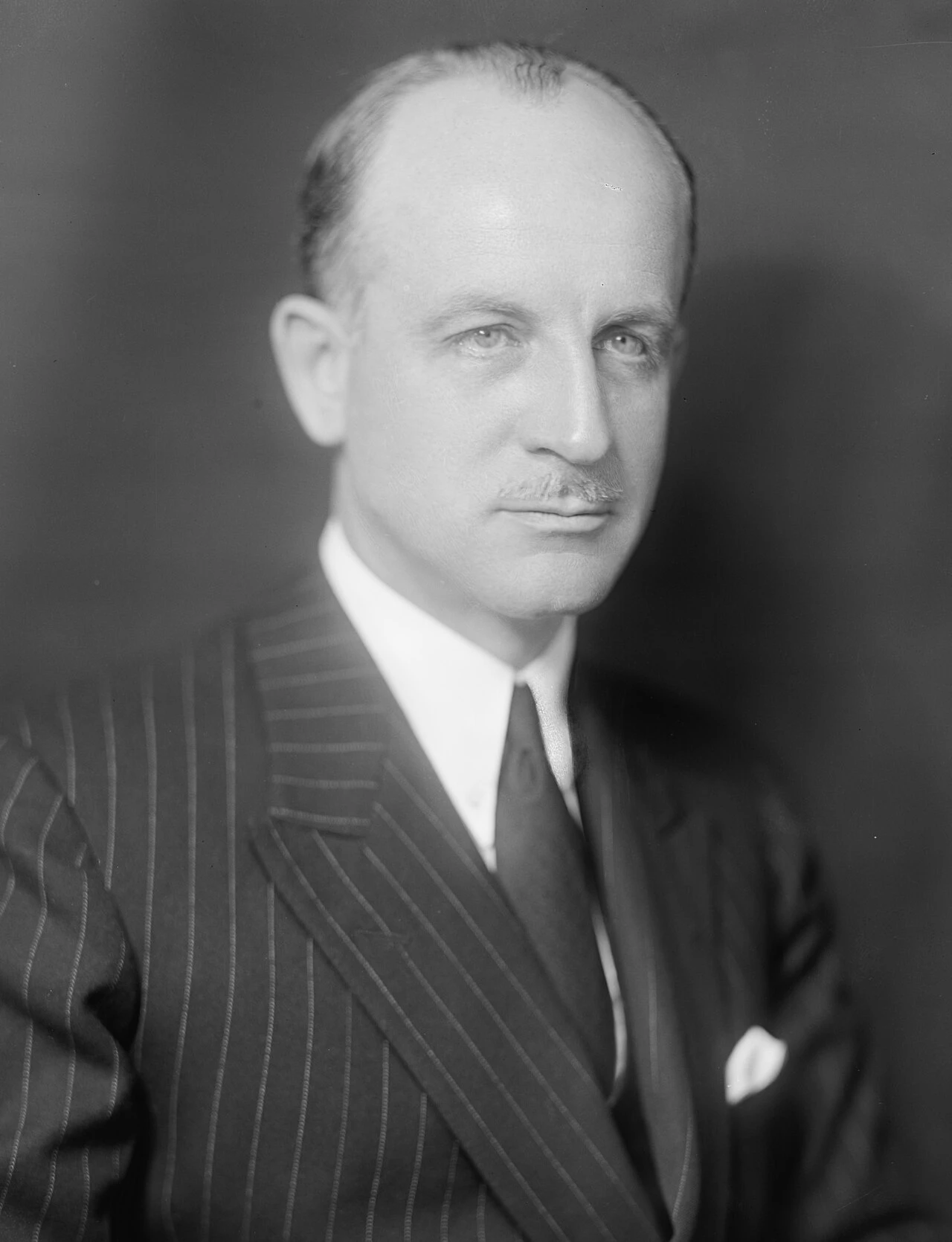
Welles with Hitler — 2 March 11:00
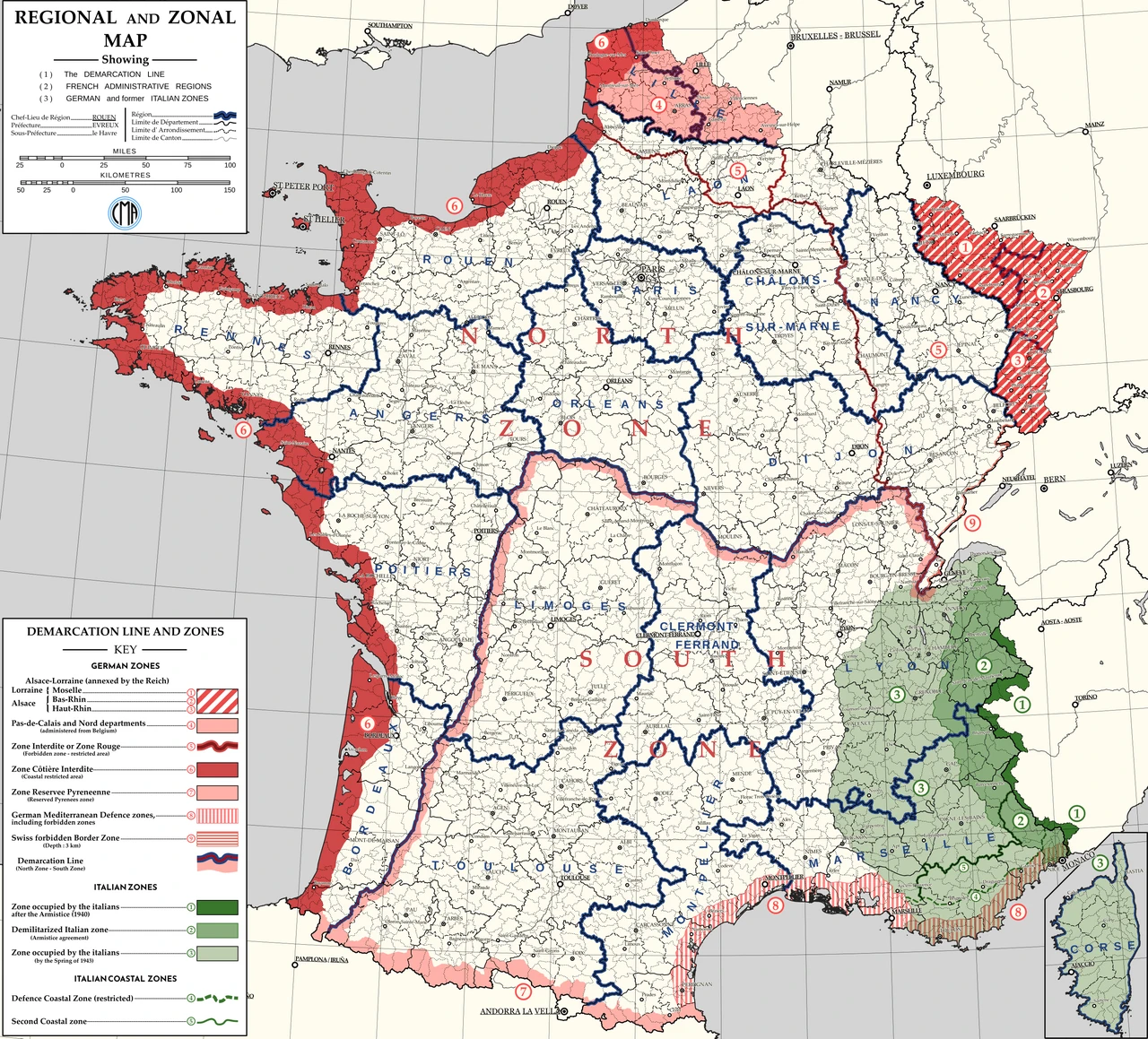
Wiesbaden — Tracing the Demarcation Line
Himmler's memorandum to the Führer
The Madagascar Plan on paper
Bulgaria: lock of the Balkans, a price to pay
Goering at Carinhall — the promise to Hitler
Hitler at Compiègne — 22 June 4:30 p.m.
Hitler After Molotov — Berlin, November 1940
Hitler at the Sportpalast — 30 January, 8 pm
Molotov in Berlin — November 12
Welles with Hitler — 2 March 11:00