
In early 1941, Germany was preparing the invasion of Greece (Operation Marita) and wanted to march its armies through the Balkans. Tsar 's Bulgaria lay across the path: bordering already-occupied Romania, Greece and Yugoslavia, it was being courted by Berlin, which was massing troops in Romania and building bridges across the Danube.
, a cautious and manoeuvring sovereign, feared Germany as much as the reactions of his neighbours and the USSR. Yet he coveted lost territories — Macedonia, an outlet to the Aegean — that Hitler dangled before him. The pressure became irresistible when the first German units crossed the Danube.
The Tsar had to choose between options heavy with consequence: join the Tripartite Pact openly and open his country to the German armies, at the risk of dragging Bulgaria into the war; refuse and face occupation by force, as in Romania; or attempt an untenable armed neutrality, caught between the belligerents. In his dealings with Berlin, the prior entry of German troops and the guarantee of territorial gains were among the conditions under discussion.
Should Boris III bring Bulgaria into the Axis?
chose A. On 1 March 1941, Bulgaria signed its accession to the Tripartite Pact at a ceremony in Vienna, and General List's immediately entered its territory en route to the Greek border. Bulgaria would obtain a share of Macedonia and Thrace at the expense of defeated Yugoslavia and Greece, but avoided committing its own troops against the Soviets. then pursued a balancing act, refusing to deport the Jews of Bulgaria proper — a notable fact — while handing over those of the annexed territories. He died suddenly in August 1943 on returning from a meeting with Hitler, in circumstances that long fuelled suspicions of poisoning.
Learn more about this event
Related polls
10
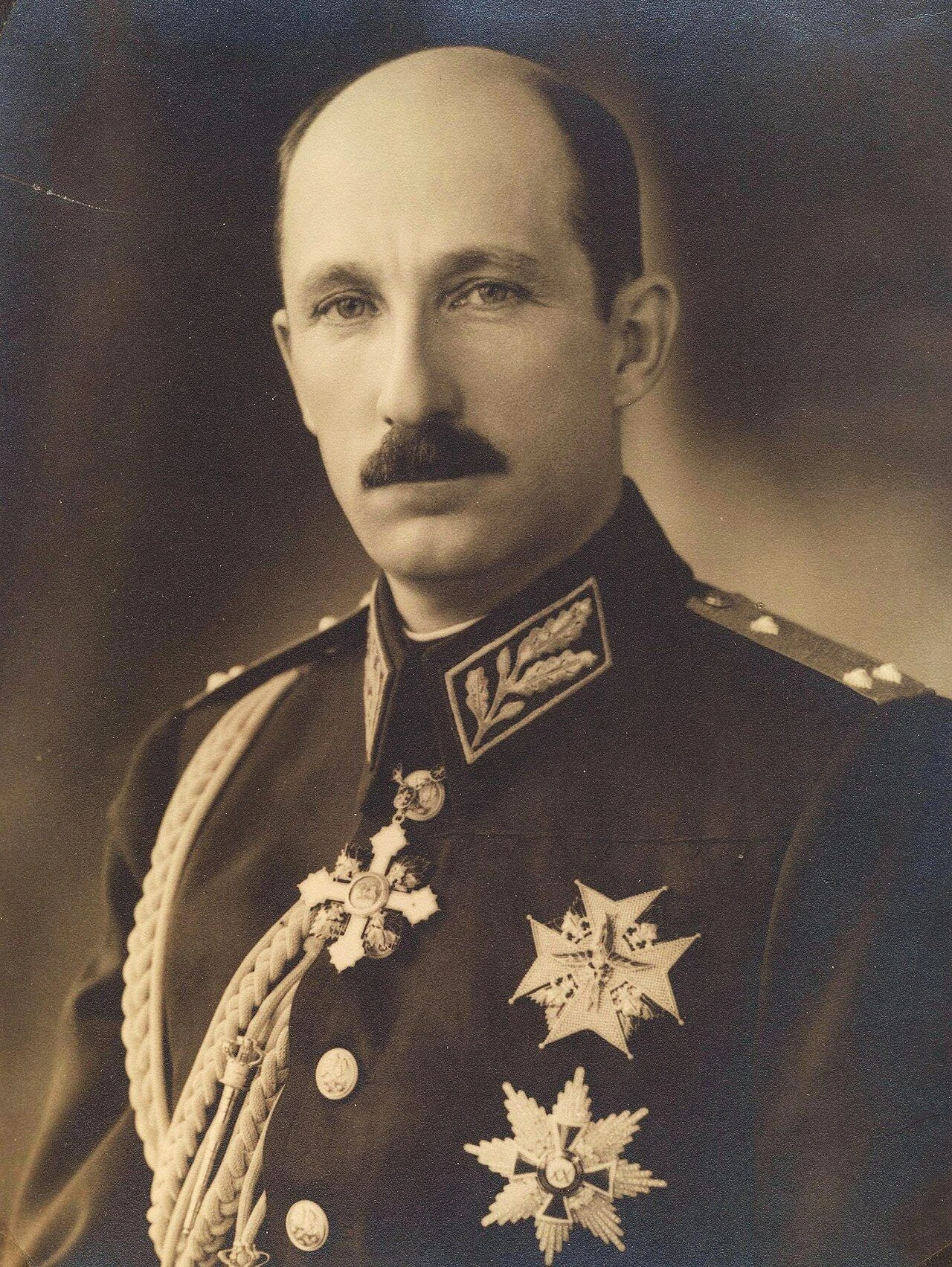
Boris III — the Bulgarian balancing act
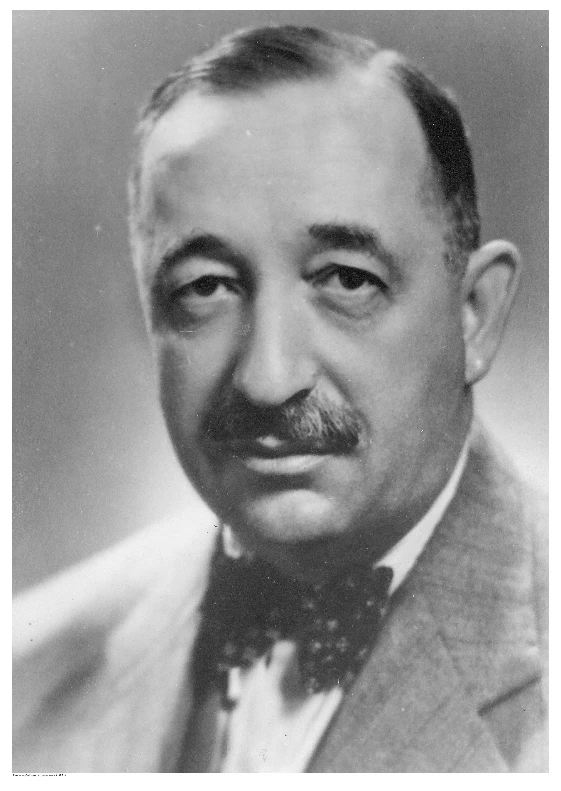
Bulgaria: lock of the Balkans, a price to pay
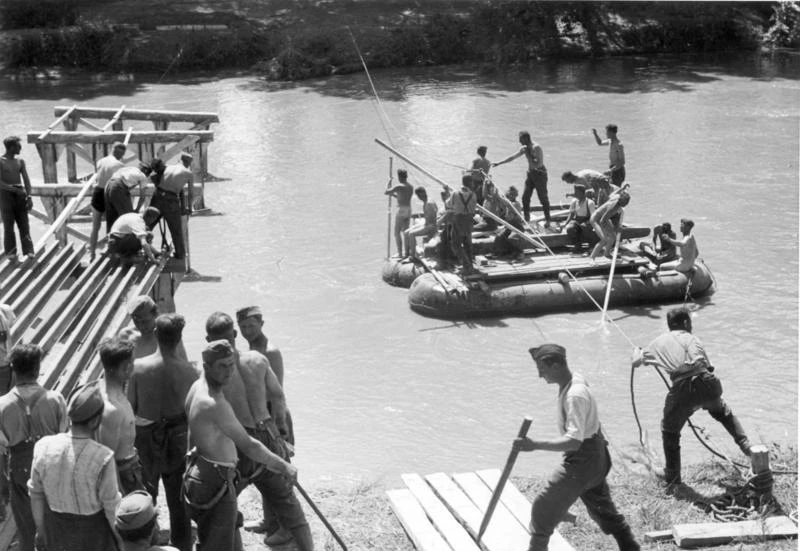
The fall of Athens
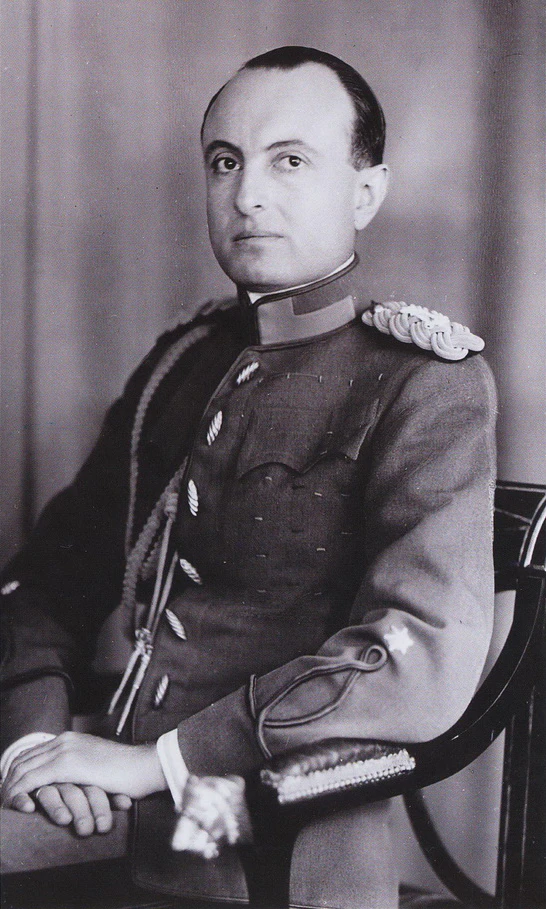
How long to stand up to Berlin
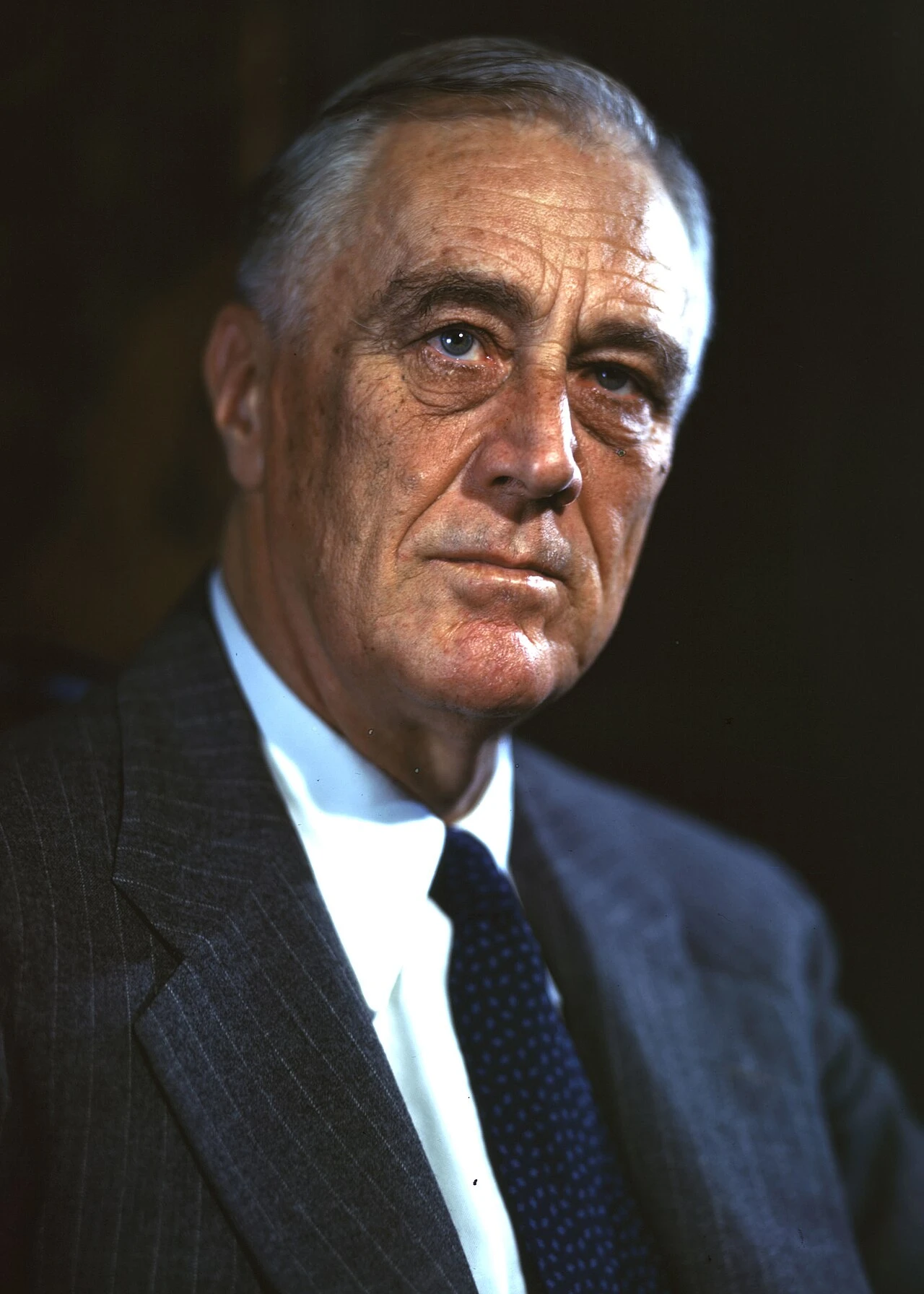
An emissary to judge whether the island will hold
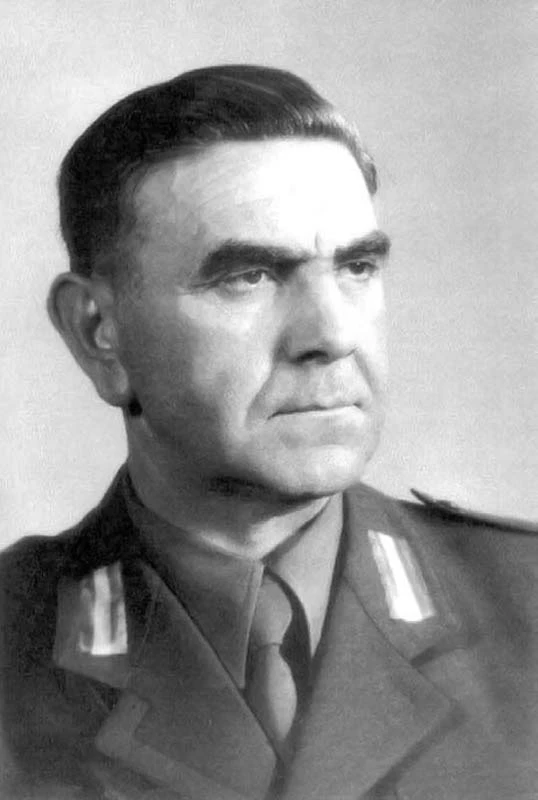
The Ustasha state and the fate of the Serbs
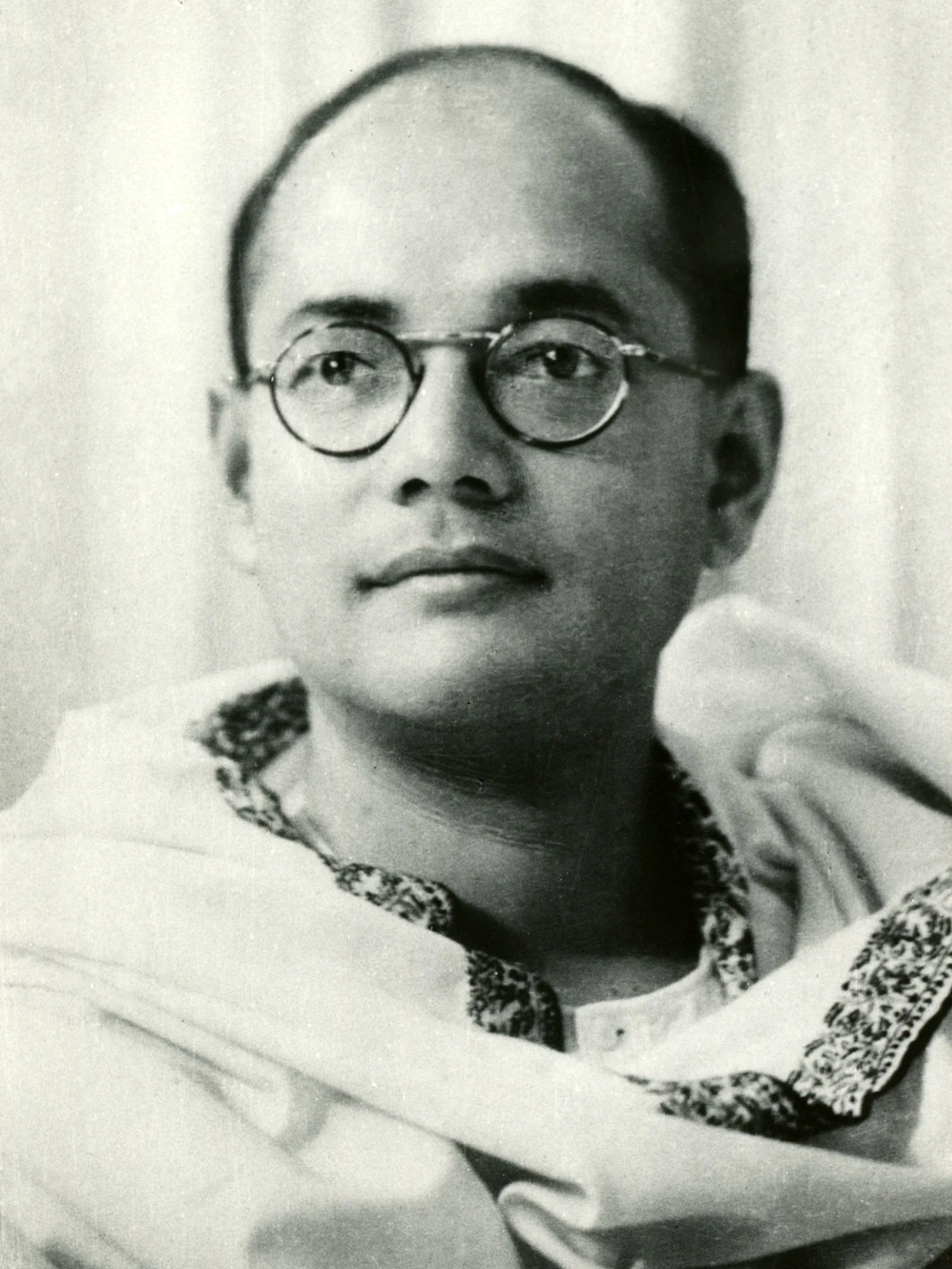
The Indische Legion — Subhas Chandra Bose in Berlin
The death of Metaxas — Athens
Mussolini in the winter of debacle
Above all, do not provoke Berlin
Boris III — the Bulgarian balancing act
Bulgaria: lock of the Balkans, a price to pay
The fall of Athens
How long to stand up to Berlin
An emissary to judge whether the island will hold
The Ustasha state and the fate of the Serbs
The Indische Legion — Subhas Chandra Bose in Berlin
The death of Metaxas — Athens
Mussolini in the winter of debacle