
The Czech Schoolteacher and the Wehrmacht Officer
In the spring of 1940, in Brno, under the Protectorate of Bohemia and Moravia, rationing and surveillance weigh on the daily life of the Czechs. An unmarried schoolteacher is regularly approached by a Wehrmacht officer who speaks a little Czech; he offers her scarce provisions and hints that a relationship would earn her protection.
Throughout the Protectorate, coexistence forces contact between the Czech population and the German occupiers. Some women form relationships with Germans, whether out of calculation, material hardship, or genuine feeling; others refuse out of patriotism or fear of their neighbors' judgment.
The schoolteacher knows that every gesture is being watched, and that the war will one day demand a reckoning.
Faced with the repeated advances of a German officer who offers her food and protection, how does a Czech schoolteacher in Brno respond?
Under the Protectorate, thousands of Czech women carried on relationships with Germans, whether affectionate or self-interested: daily coexistence and shortages drove them to it. At the Liberation, these relationships were stigmatized as "collaboration" and gave rise to mob violence (shaved heads, public humiliations) and then to prosecutions before the extraordinary people's courts (mimořádné lidové soudy), established by the Beneš decrees in 1945. More than 30,000 people were tried before them; the sentences, very harsh in the autumn of 1945, later softened. The documented reality is therefore not an individual act of heroism but a mass coexistence followed by collective retribution.
Learn more about this event
Related polls
10
The Banned Czech University
A Czech under the Protectorate
The Jewish Schoolteacher of Kazimierz
A Schoolteacher of Poznań under the Wartheland
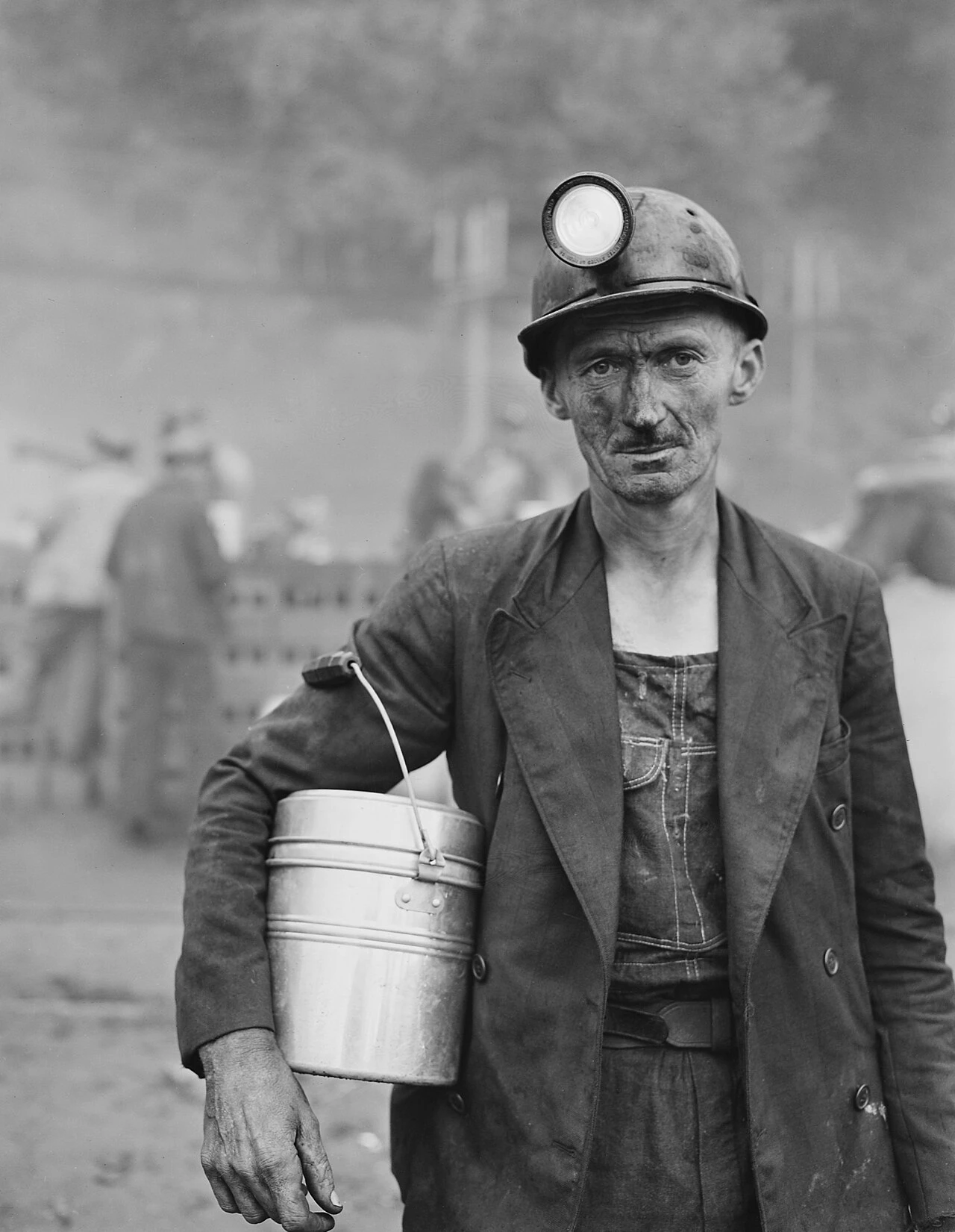
At the Dahomey pit, the morning of team-rate pay
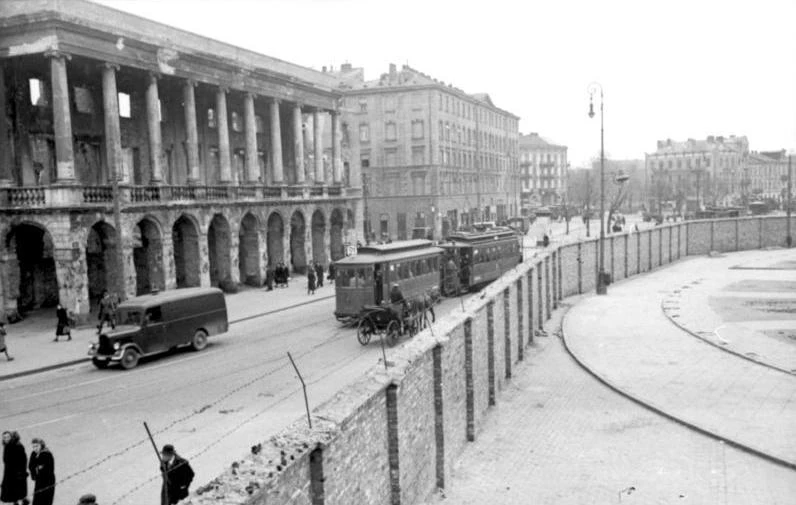
Studying in the Warsaw Ghetto
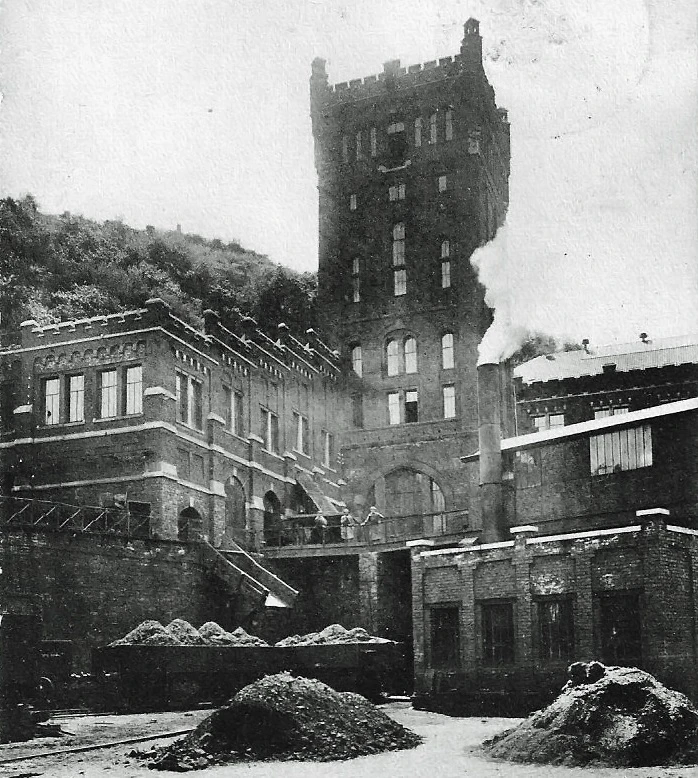
The strike of the '100,000' in Belgium
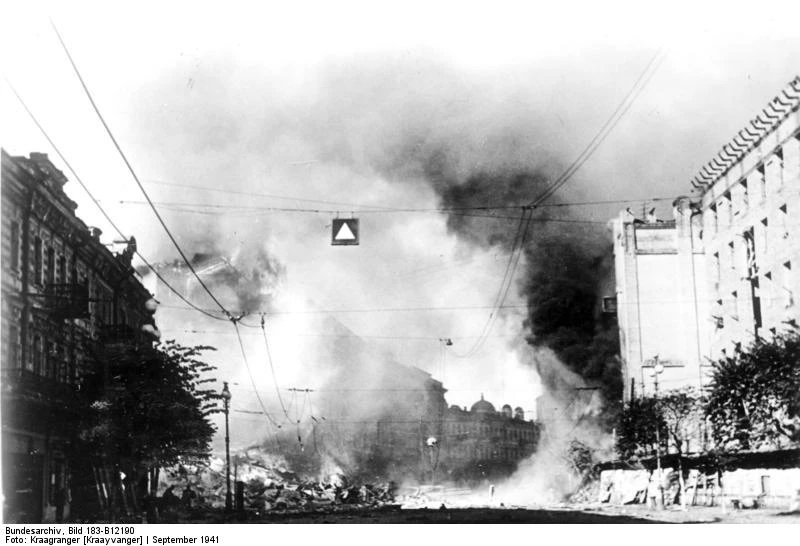
Kiev, September 1941: A Neighbor Facing Babi Yar
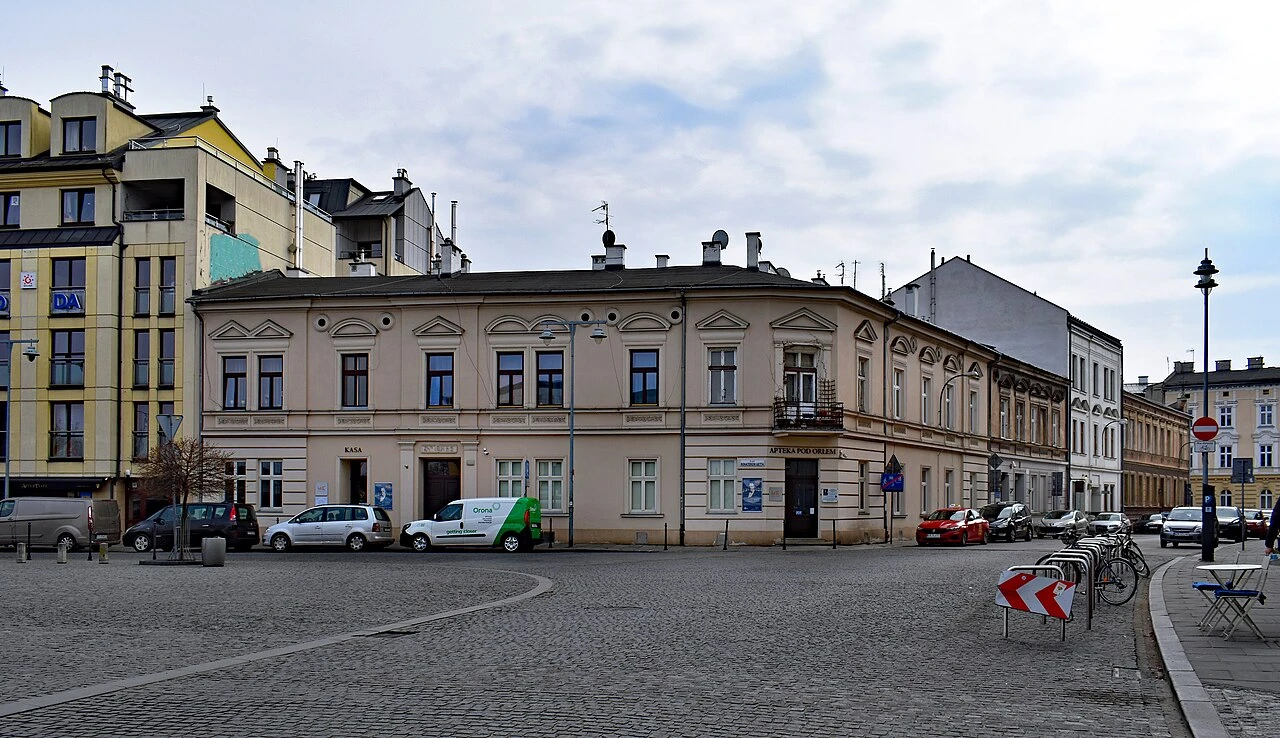
The apothecary of the Kraków Ghetto
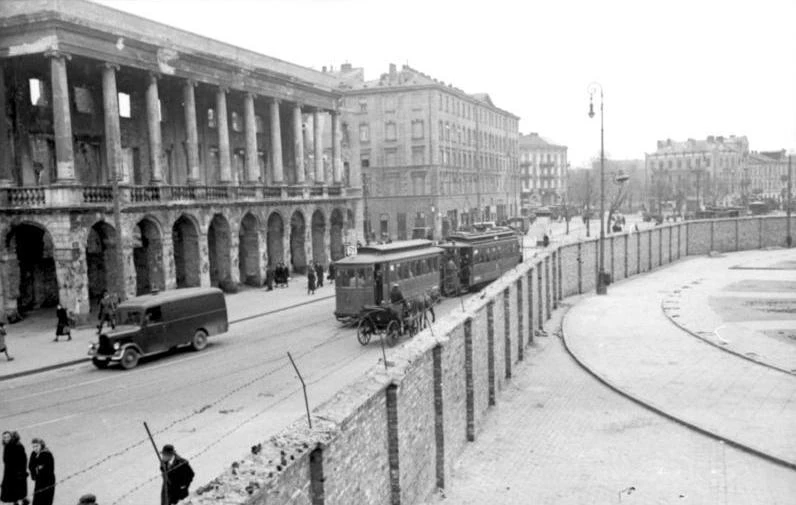
Clandestine teaching in the Warsaw Ghetto
The Banned Czech University
A Czech under the Protectorate
The Jewish Schoolteacher of Kazimierz
A Schoolteacher of Poznań under the Wartheland
At the Dahomey pit, the morning of team-rate pay
Studying in the Warsaw Ghetto
The strike of the '100,000' in Belgium
Kiev, September 1941: A Neighbor Facing Babi Yar
The apothecary of the Kraków Ghetto