
HMS Courageous — Makeig-Jones after the Torpedoes
HMS Courageous is a light aircraft carrier of the Royal Navy of 22,500 tons, built in 1916 as a battlecruiser (Courageous class) and converted to a carrier in 1924-1928. Forty-eight aircraft embarked (Fairey Swordfish and Sea Gladiators), 1,260 crew. At the outbreak of war she is one of the eight operational British carriers.
In the first weeks of September 1939, the British Admiralty adopts an offensive anti-submarine doctrine: send the carriers to hunt the U-boats off the coasts. A controversial idea — a carrier is not designed for ASW hunting, and her destroyer screen is insufficient. , First Lord of the Admiralty since 3 September, backs the idea.
On 5 September, HMS Ark Royal narrowly escapes a U-boat (U-39). The warning is not heeded. On 17 September 1939, HMS Courageous patrols in the Western Approaches south-west of Ireland, escorted by four destroyers (HMS Inglefield, Ivanhoe, Impulsive, Intrepid). At 5 p.m. two destroyers are detached to escort a merchant ship in distress — the screen is reduced to two units.
At 7.45 p.m. the U-29 of Kapitänleutnant , on patrol in the area, spots Courageous at eleven kilometres. The carrier executes a classic aircraft-recovery turn, exposing her starboard side. Schuhart fires three torpedoes. Two find their mark.
How to react at the moment of the impacts (7.47 p.m.) aboard Courageous?
Captain Makeig-Jones attempts B, but the situation deteriorates within minutes. The list of Courageous increases rapidly. The electrical generator is flooded — no internal lighting, communications cut. At 7.57 p.m. the order for general evacuation is given. At 8.05 p.m. Courageous capsizes and sinks. Toll: 519 British sailors dead out of 1,260 (including Makeig-Jones, who remained aboard); 741 survivors picked up by the destroyer escort and a Dutch cargo. It is the first major British loss of the war and the first demonstration of the vulnerability of carriers. Schuhart is decorated with the Iron Cross. The Admiralty at once withdraws the carriers from ASW hunting missions and shifts to the escorted-convoy doctrine, which will become general. The loss of Courageous precipitates Churchill's decision to double the production of escort destroyers. Schuhart survives the war and dies in 1990. The U-29 will be destroyed in 1944.
Learn more about this event
Related polls
10
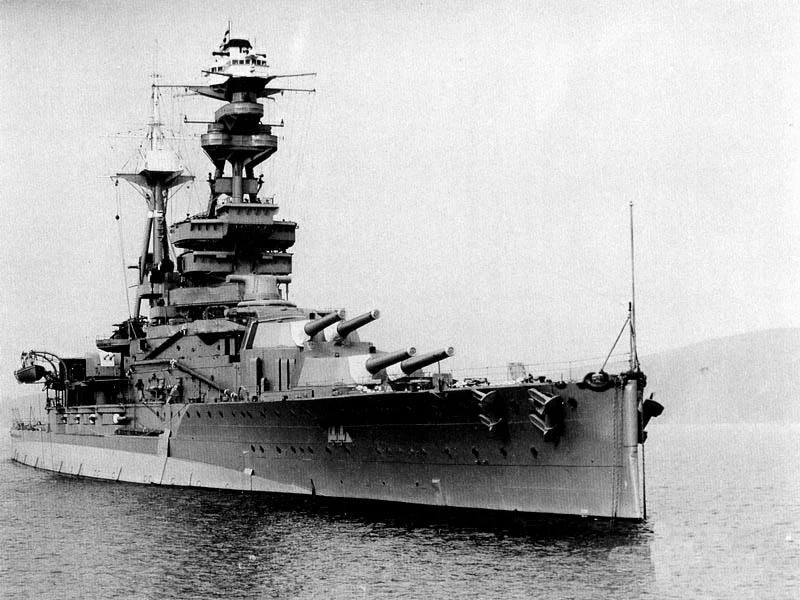
Royal Oak — Prien in Scapa Flow
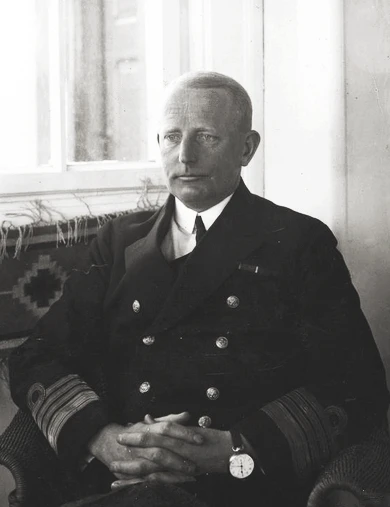
Hel — Unrug faces the German envoy
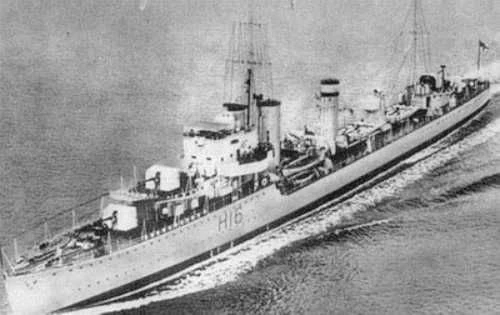
HMS Daring in the Pentland Firth
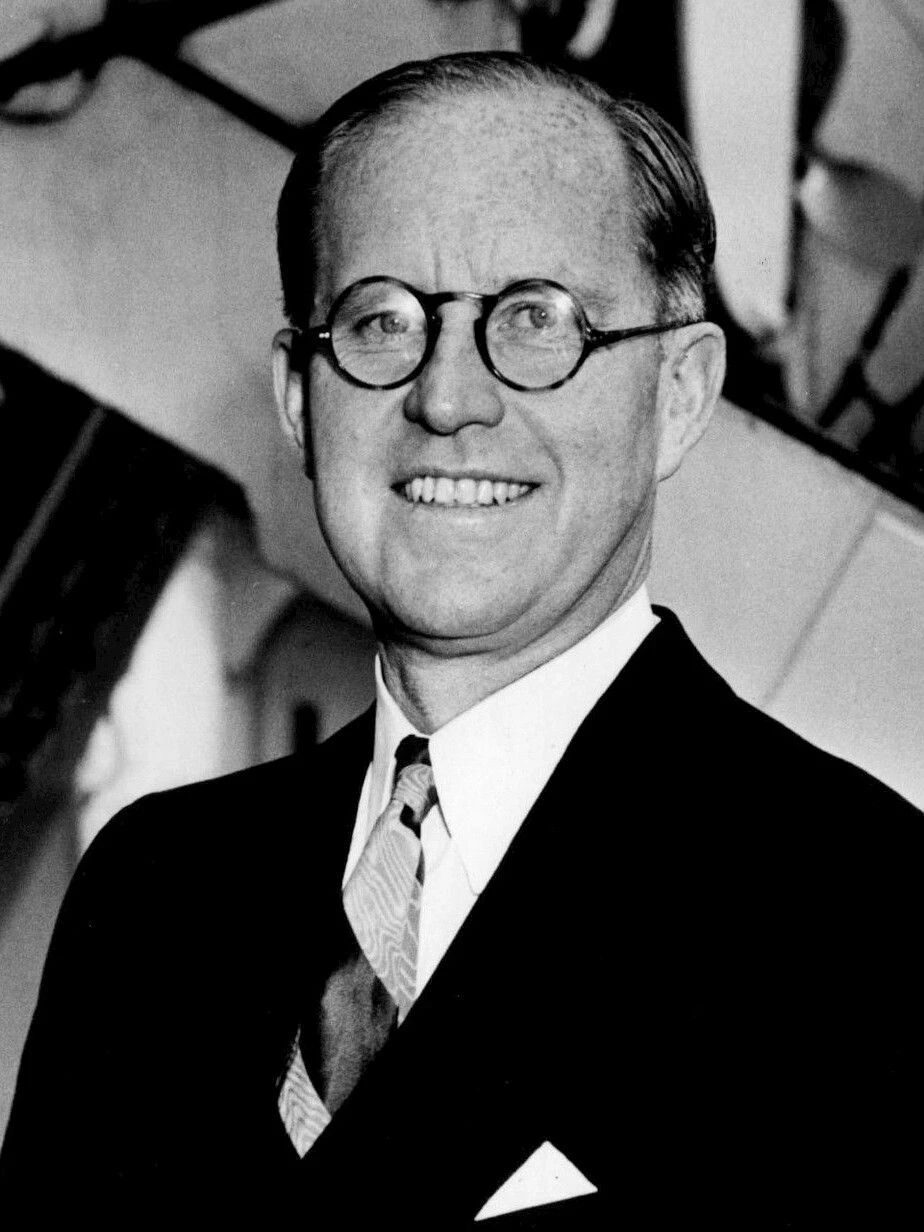
HMS Rawalpindi — Kennedy at 3:47 p.m.
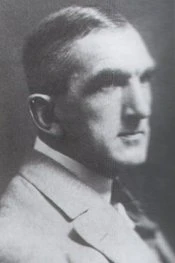
Fegen and the Jervis Bay — convoy HX-84
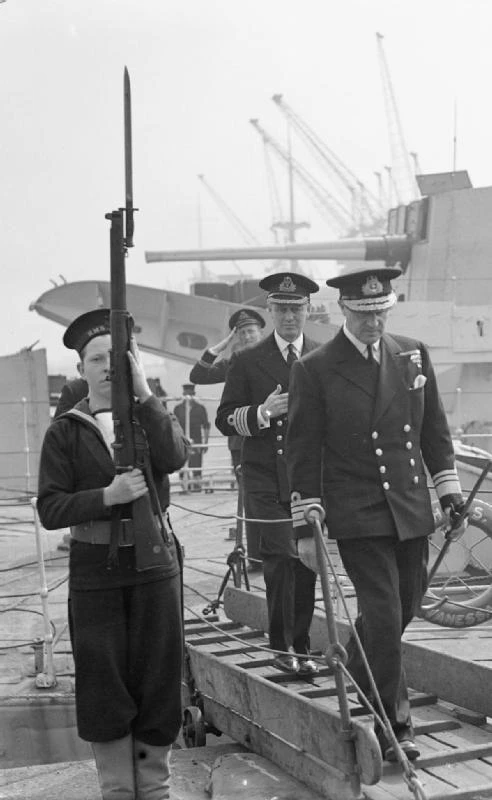
Whitworth and the Warspite — 13 April
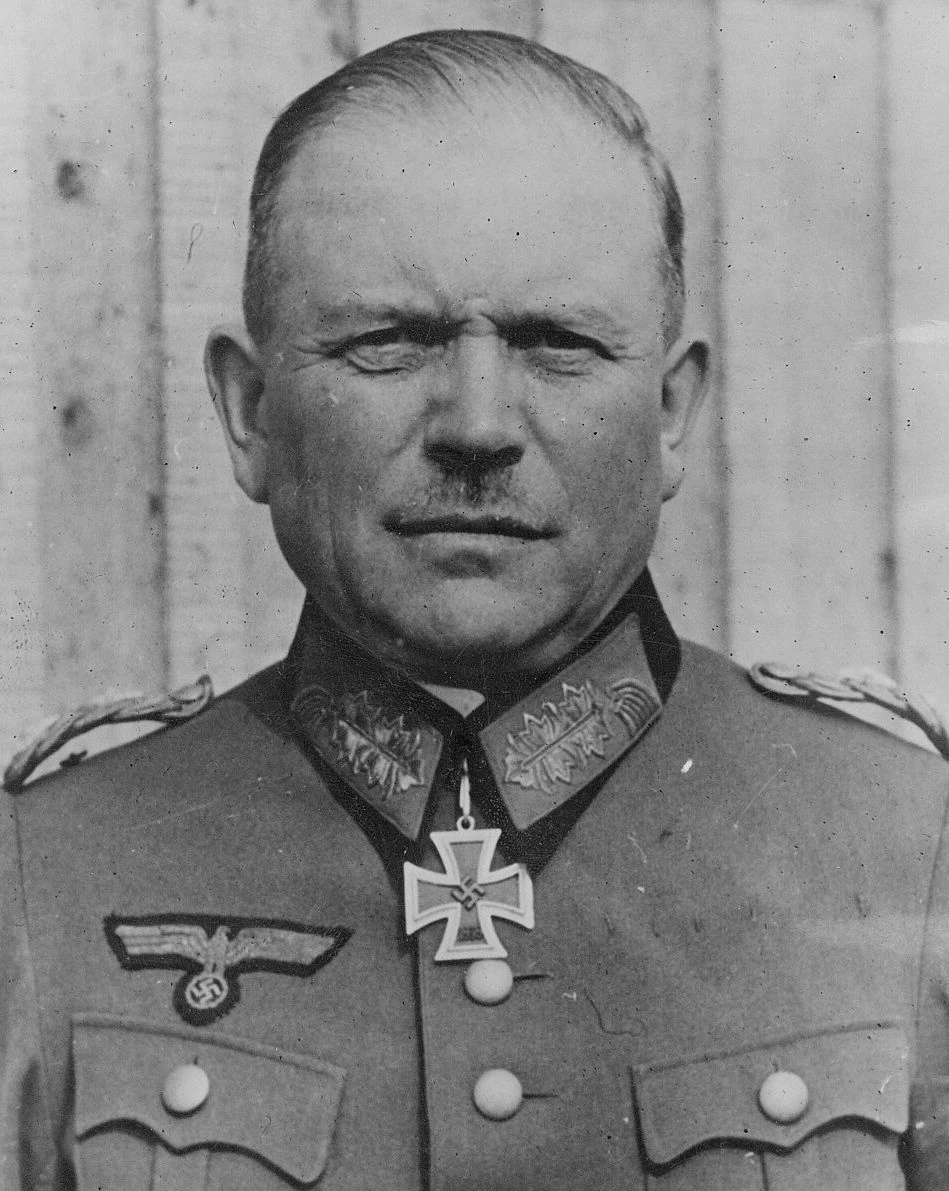
Brześć — Plisowski faces Guderian
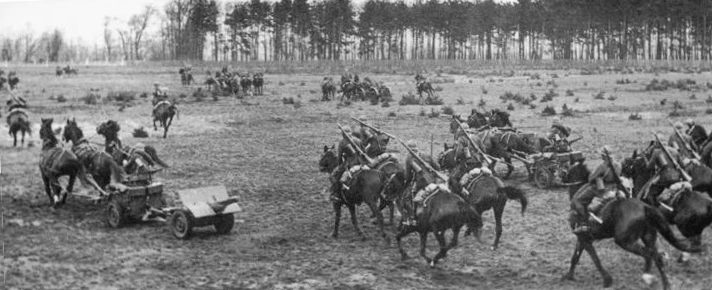
The Bzura — Kutrzeba faces the trap
HMS Sphinx at Kinnaird Head
Lwów — Langner between two occupiers
Royal Oak — Prien in Scapa Flow
Hel — Unrug faces the German envoy
HMS Daring in the Pentland Firth
HMS Rawalpindi — Kennedy at 3:47 p.m.
Fegen and the Jervis Bay — convoy HX-84
Whitworth and the Warspite — 13 April
Brześć — Plisowski faces Guderian
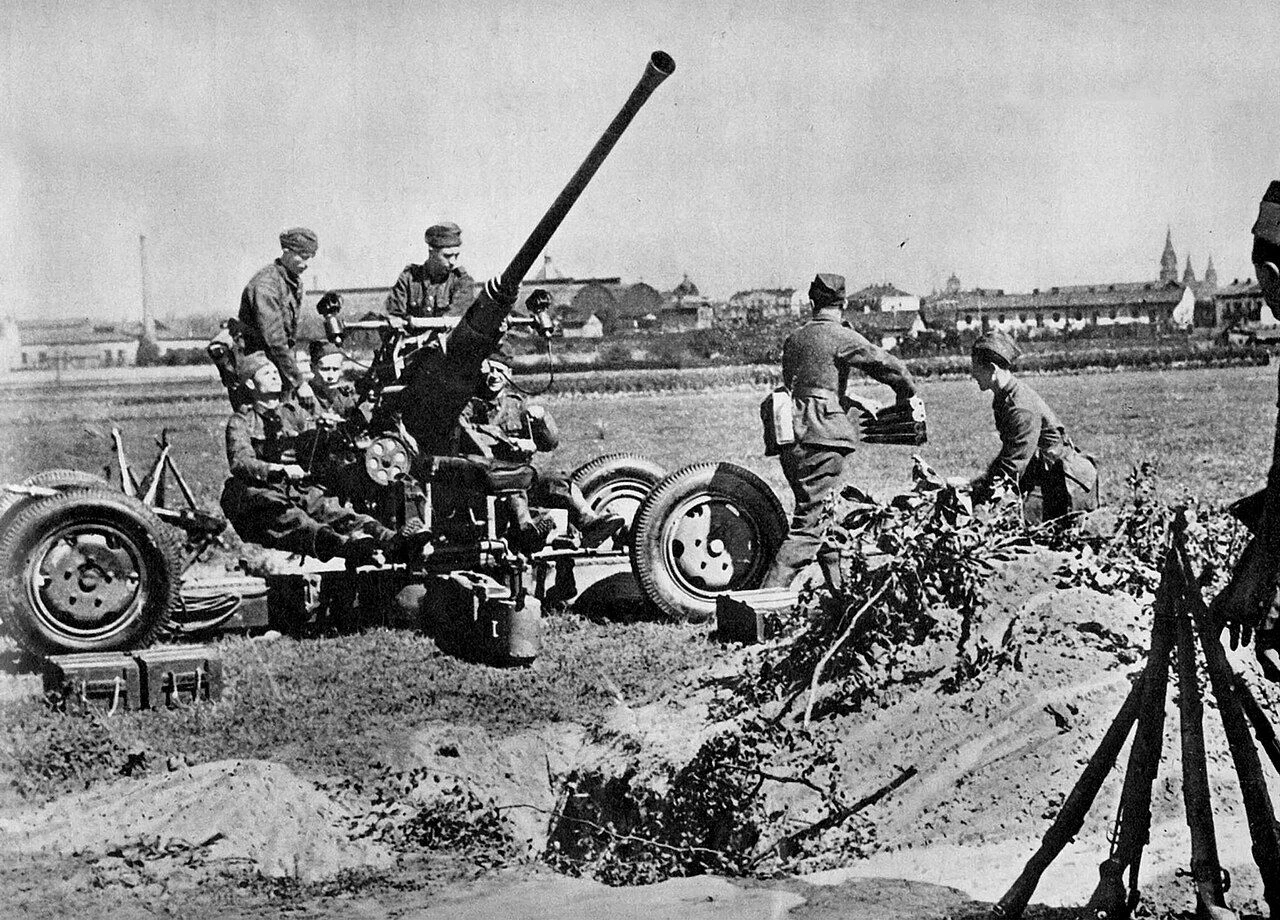
The Bzura — Kutrzeba faces the trap
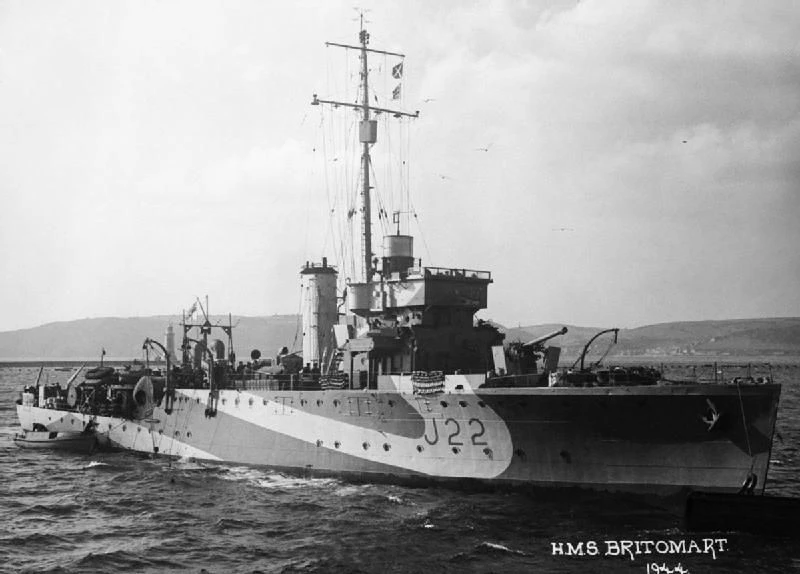
HMS Sphinx at Kinnaird Head