
Autumn 1939. Ball bearings are the invisible component in every war machine: tanks, aircraft, ships, engines. Without them, nothing turns. Yet neutral Sweden is home to SKF, the world's leading producer, which supplies Germany, Britain, and the United States all at once.
Each belligerent knows the other depends on this same source. London threatens commercial reprisals if deliveries to the Reich continue; Berlin threatens to cut off access if the British buy too much. Stockholm is caught in a vice between its revenues, its neutrality, and the pressure coming from both directions.
The leadership of SKF and the Swedish authorities must resolve an impossible equation: preserve national independence without breaking with partners who can all, in various ways, pressure a small exporting country.
How should neutral Sweden manage its ball-bearing exports when both sides depend on them?
Sweden maintained its sales to both sides. SKF continued to supply both Germany and Britain, at the cost of complex logistics imposed by the naval blockade. London negotiated quotas to limit the flows to the Reich, while Germany built up large stockpiles of bearings in anticipation. This fragile balance would be upended by the German invasion of Norway and Denmark in the spring of 1940, which tightened the geographic vice around Sweden. Swedish deliveries to Germany would remain a major issue right up to the Allied pressure of 1943-1944.
Learn more about this event
Related polls
10
British Coal for the Winter of 1939
The metal without which cannons cannot be forged
British rationing — Morrison and the principle
Schnurre in Moscow — the Commercial Agreement
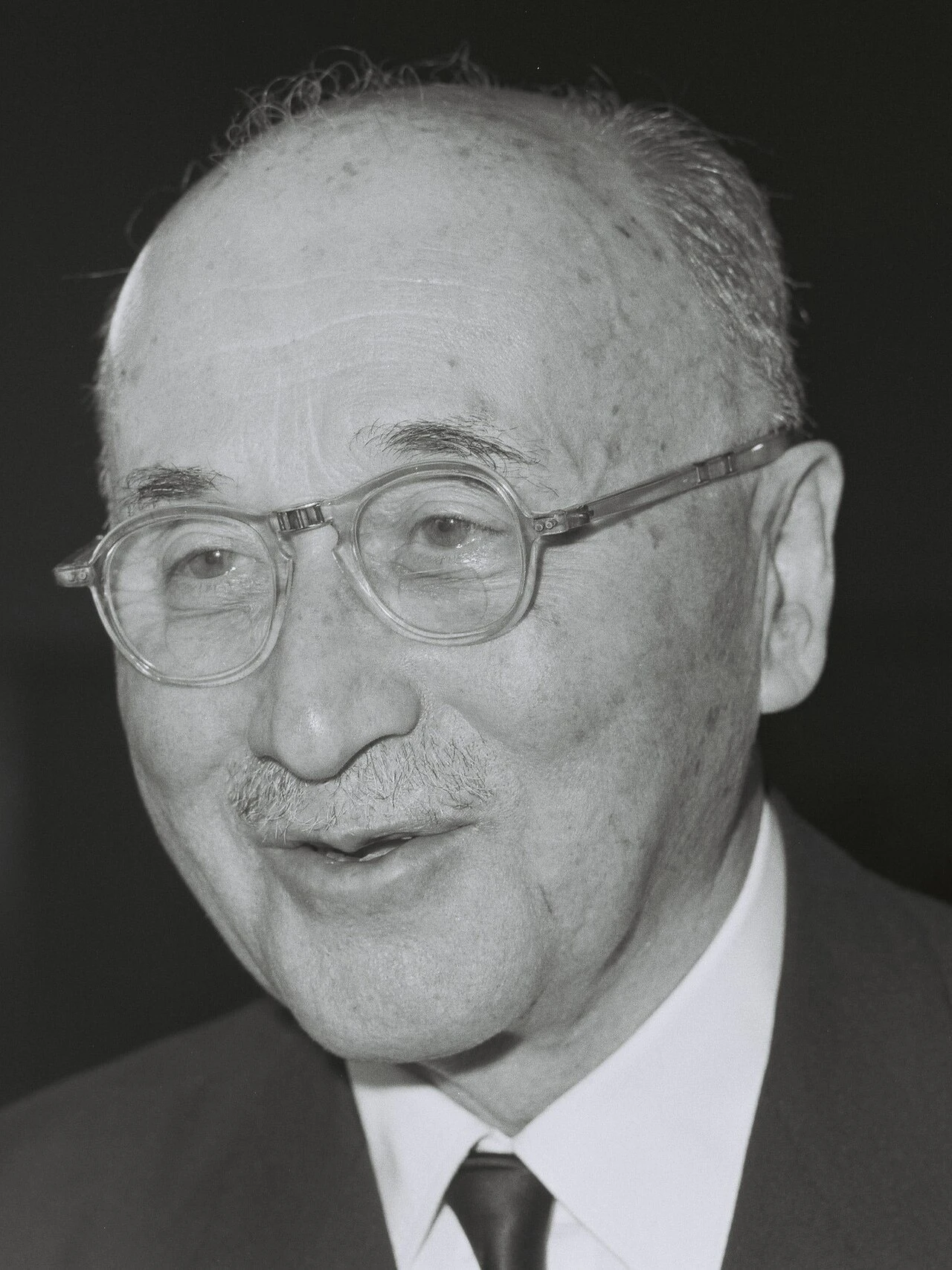
Buy Each for Themselves or with a Single Voice
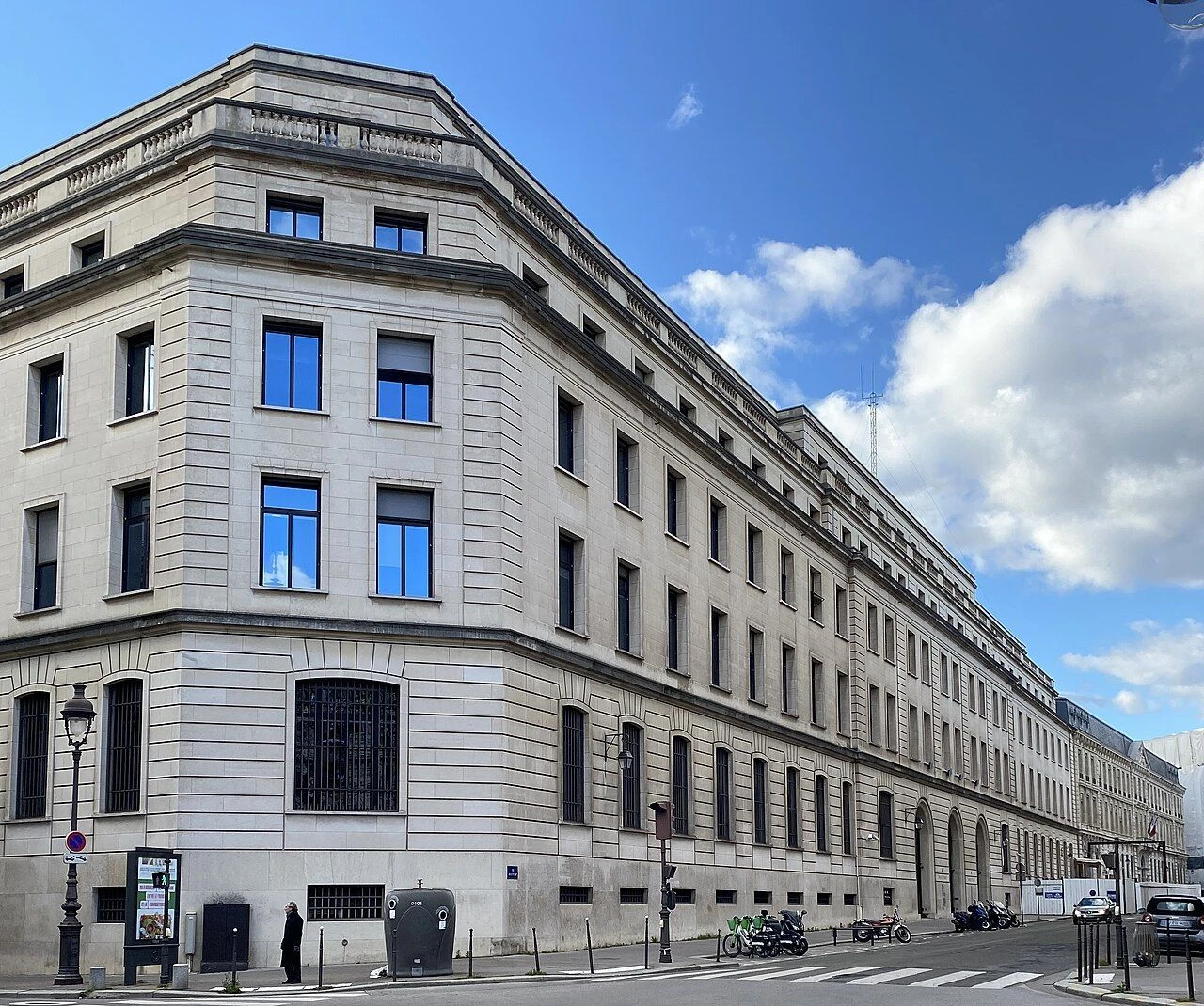
Baumgartner and the gold of the Banque de France
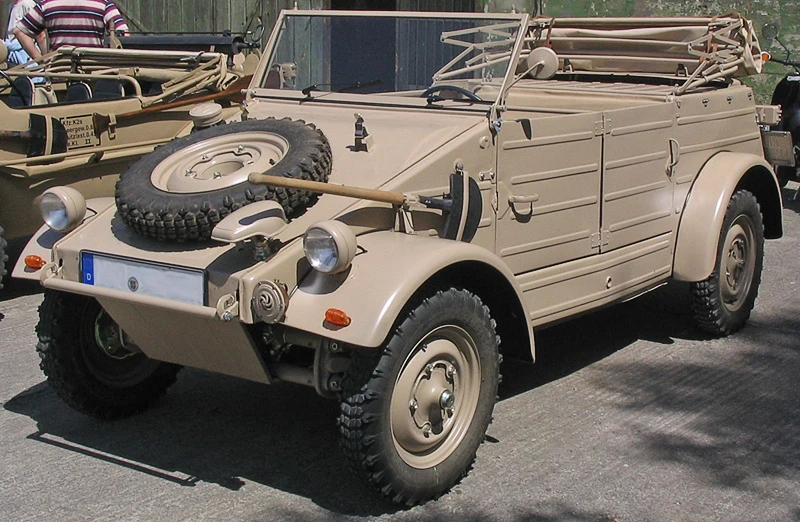
The People's Car Goes to War
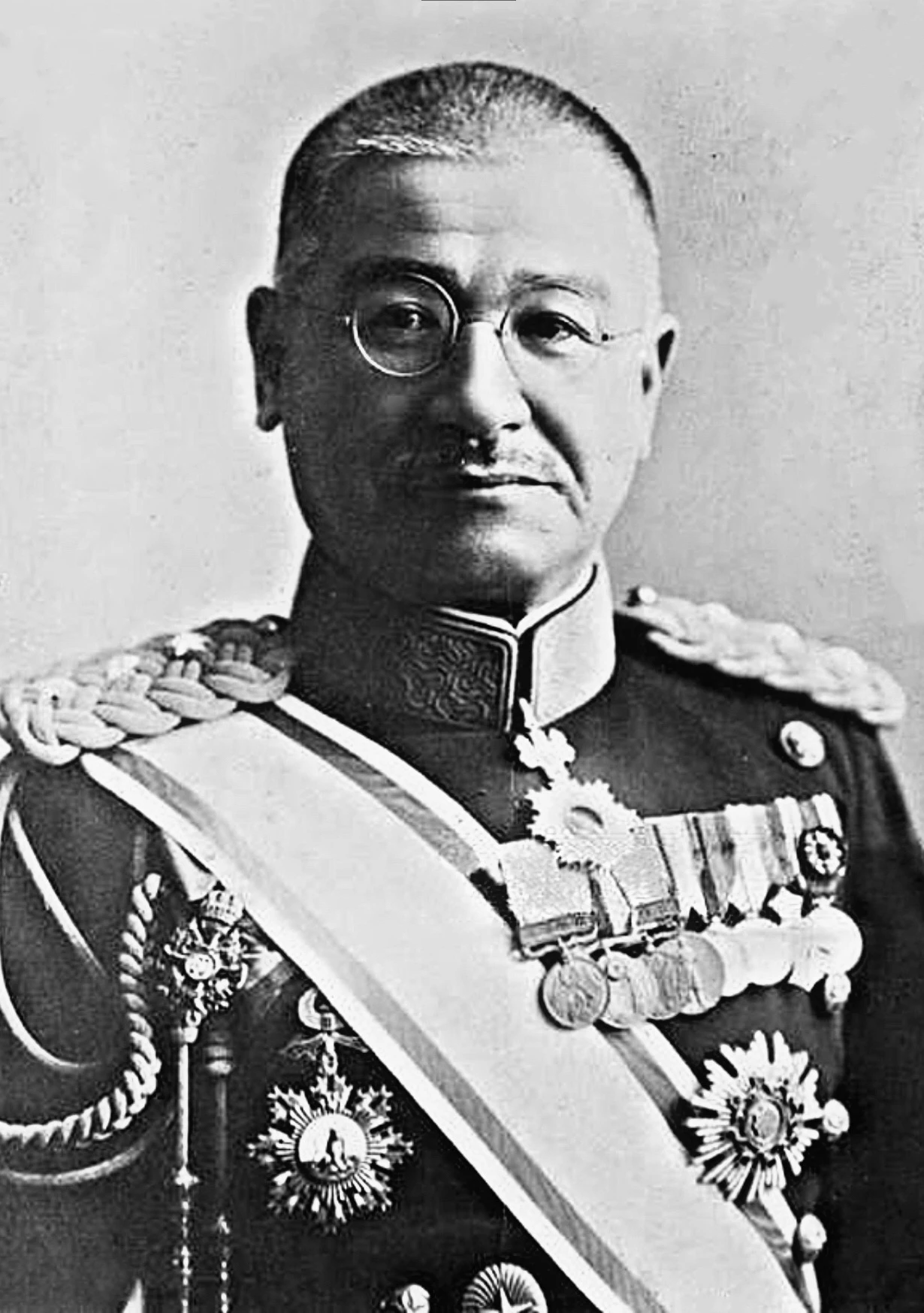
The Shinkolobwe Ore — a Belgian industrialist confronting the Congo's uranium
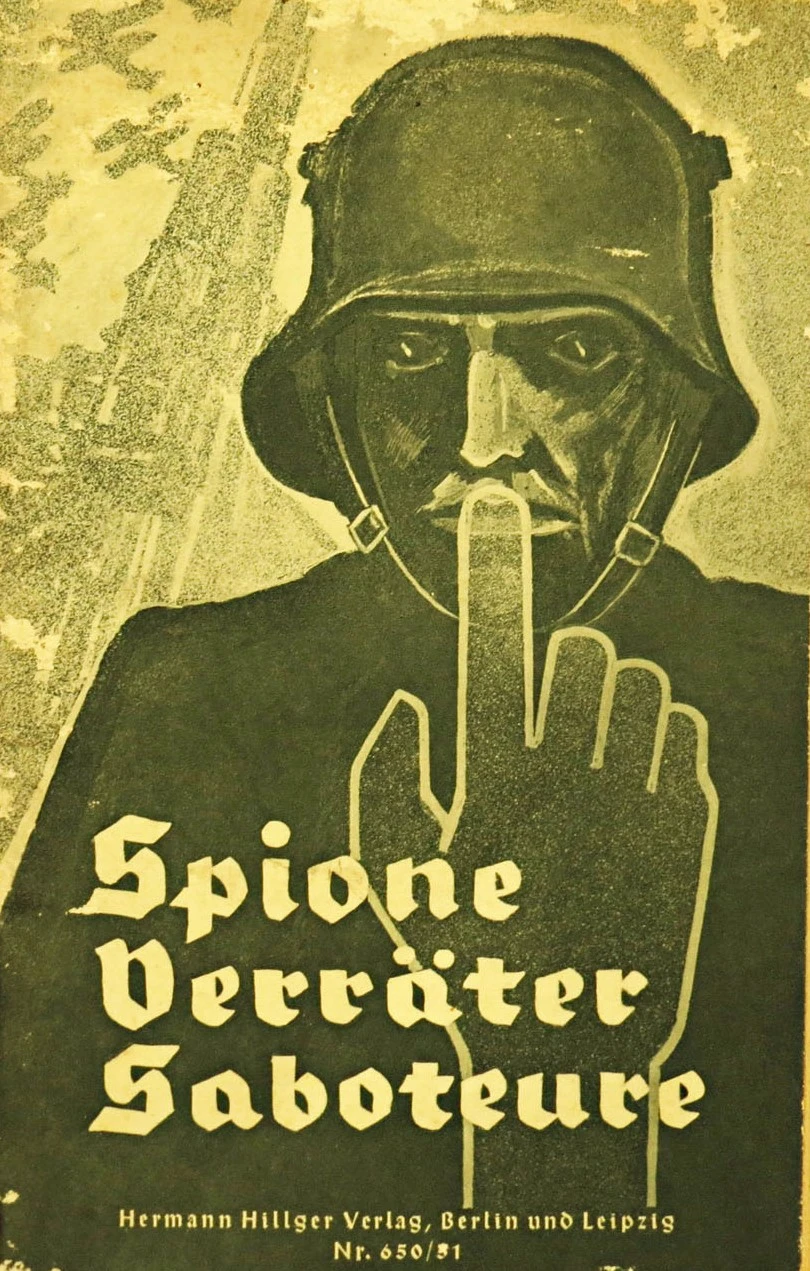
The Karten: Rationing Germany at War
Nogara and the Vatican portfolio
British Coal for the Winter of 1939
The metal without which cannons cannot be forged
British rationing — Morrison and the principle
Schnurre in Moscow — the Commercial Agreement
Buy Each for Themselves or with a Single Voice
Baumgartner and the gold of the Banque de France
The People's Car Goes to War
The Shinkolobwe Ore — a Belgian industrialist confronting the Congo's uranium
The Karten: Rationing Germany at War