
Louis Renault Returns from the United States: Billancourt Under German Control
May 1940: Armaments Minister sends to the United States to speed up tank production. During his absence, the German army surges in. On 24 June, the military command orders the temporary seizure of the factories; on the 26th, three commissioners from Daimler-Benz move into Billancourt and requisition workshops to repair the armored vehicles captured during the Battle of France.
On 23 July 1940, Renault finally returns to Paris. He finds his industrial operation under enemy control: private cars are banned, and the occupier demands trucks and equipment for its logistics. The owner must decide what to do with his workshops, his workers, and his machines.
Faced with factories already requisitioned by the occupier, what attitude does Louis Renault adopt?
chose to resume production and fulfill the German orders (trucks, equipment), while practicing an openly displayed 'ill will': he cited shortages of energy, raw materials, and labor to limit the volumes delivered, which consistently disappointed the Germans. He did, however, refuse to repair their tanks. This coerced economic collaboration would lead, at the Liberation, to his arrest for collaboration; he died in detention in October 1944, and his factories were nationalized by ordinance of 16 January 1945, giving birth to the Régie Renault.
Learn more about this event
Related polls
10
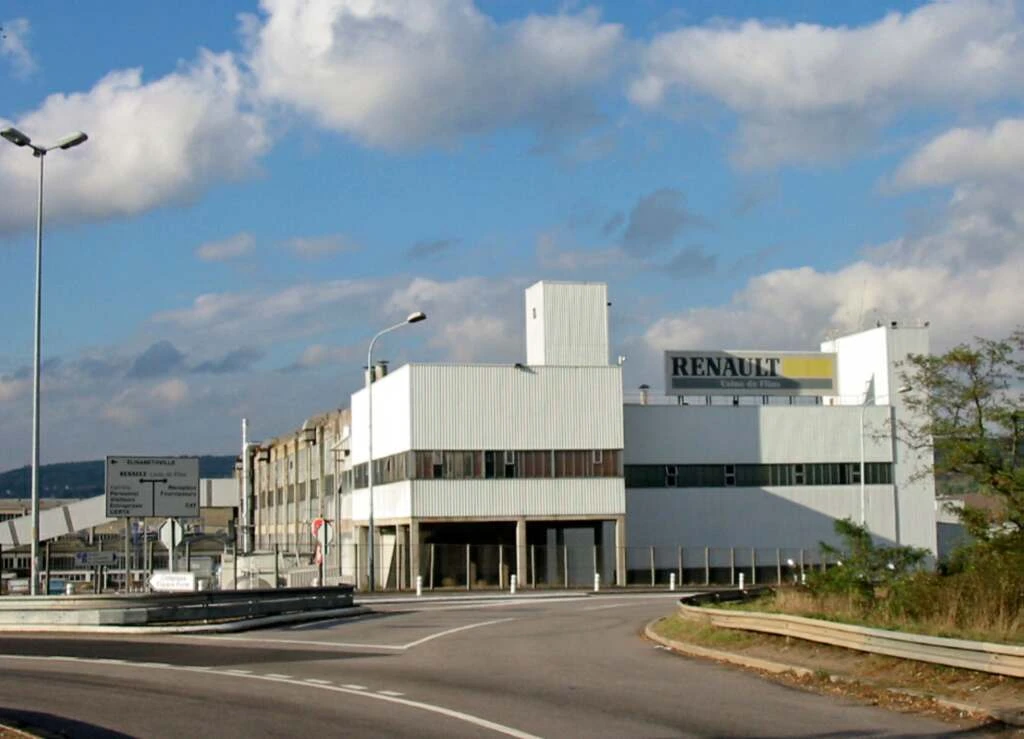
Billancourt under threat: the old boss and his machines

The head of Gnome et Rhône facing the vise of June 1940
Article 13: the SNCF and the occupier
Hermann Röchling and the Lorraine Ironworks
Laval at the Vichy Casino — 10 July
Vincent Badie — Vichy Casino, 10 July
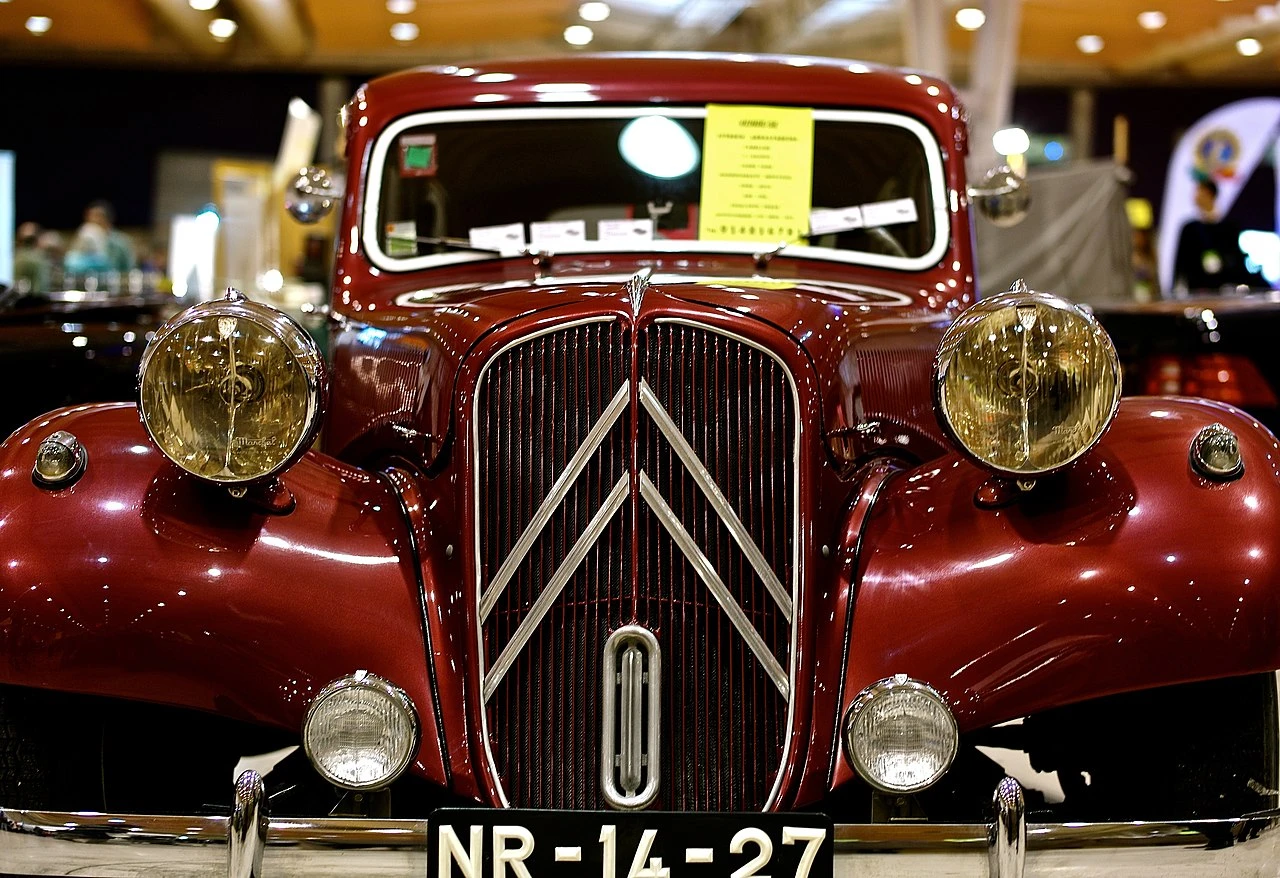
Boulanger and the Reich's trucks
Carol II in Bucharest — the Romanian balance
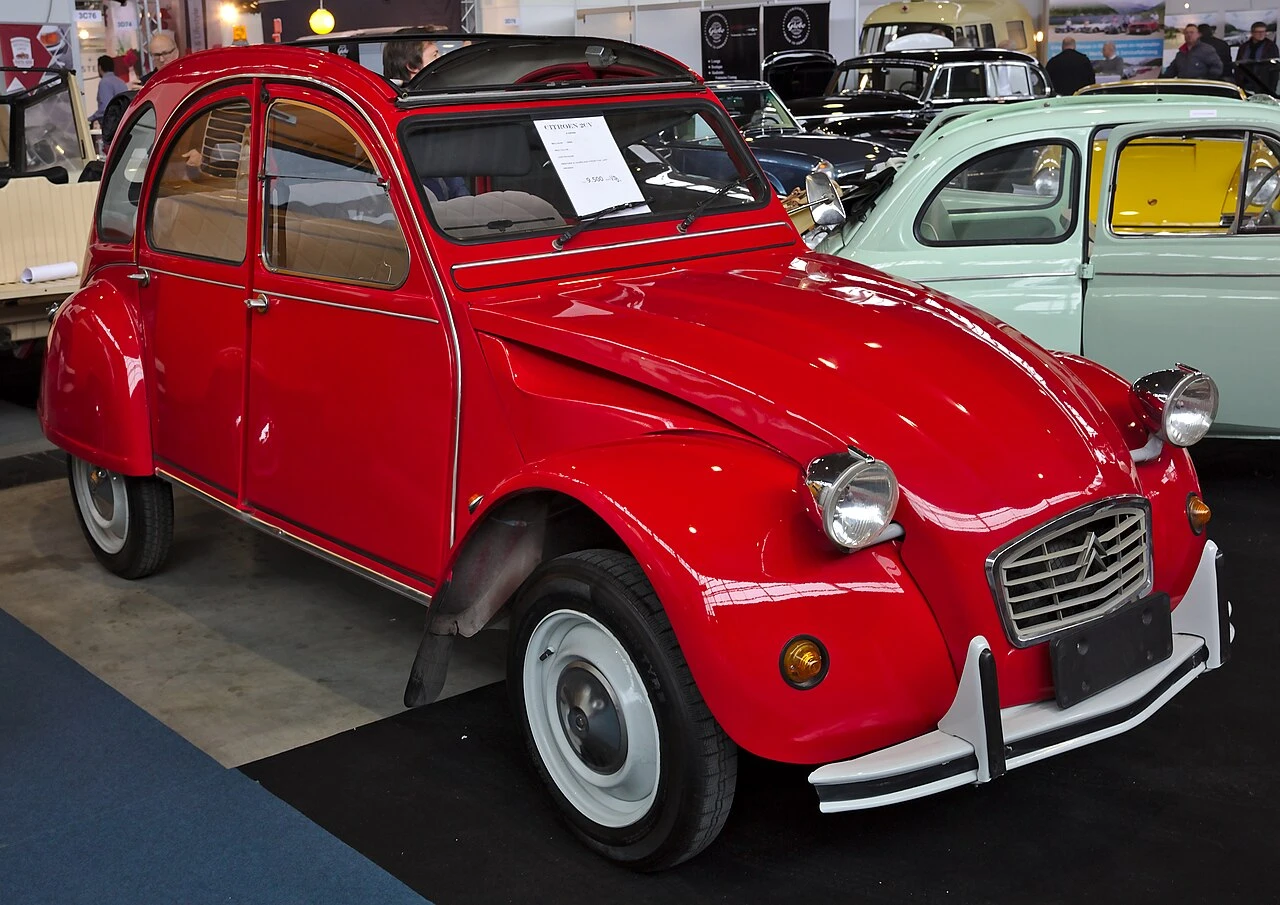
Citroën, the occupier and the secret little car

Citroën under the Occupation: the boss faces German orders
Billancourt under threat: the old boss and his machines
The head of Gnome et Rhône facing the vise of June 1940
Article 13: the SNCF and the occupier
Hermann Röchling and the Lorraine Ironworks
Laval at the Vichy Casino — 10 July
Vincent Badie — Vichy Casino, 10 July
Boulanger and the Reich's trucks
Carol II in Bucharest — the Romanian balance
Citroën, the occupier and the secret little car