
The Deutsche Volksliste — sign, or stay Polish
Our subject is a German-speaking inhabitant of the Reichsgau Wartheland, the 'Warthegau', that part of western Poland directly annexed to the Reich after September 1939, around Posen (Poznań). Like hundreds of thousands of others, he belongs to a family where German and Polish have been spoken for generations, with no clean line between the two.
The Nazi regime wants to 'Germanise' the region. It drives into the General Government Poles judged undesirable and settles in their place Volksdeutsche, 'ethnic Germans'. To sort the population, the occupier sets up the Deutsche Volksliste, the 'German People's List', and classifies the Poles of German descent into four or five categories — from the actively pro-German militant to the 'Polonised' reputed to be hostile.
To register is to gain access to better housing, more food, money — goods often confiscated from other Poles — and to escape deportation. In the spring of 1940, registration remains voluntary: barely under a third of the estimated 2.2 million 'Germans' have come forward. For him, to choose is to disavow one of the two nations he might call his own.
Do you register as 'ethnic German' for the housing, food and security — taken from other Poles — or refuse, at the risk of deportation?
A majority eventually chooses A, but above all once registration ceased to be voluntary. In the summer of 1940, as the period's documentation notes, fewer than a third of the 2.2 million German speakers had registered despite the advantages offered. The regime then tightens the system: in the Warthegau, from 1941, the Volksliste becomes virtually compulsory, refusal exposing one to the camp or to forced labour. In all, more than 2.7 million people were classified in the annexed territories. Those listed in categories 3 and 4 were often subjected to 're-Germanisation' and conscripted into the Wehrmacht. At the Liberation, these Polish Volksdeutsche were in turn suspected of treason, many stripped of rights, interned or expelled — caught a second time in the vice of nationalities.
POINT OF VIGILANCE — [Historiographical note: documented archetype (no proper name). Present the dilemma without overhanging moral judgement; the rising constraint (voluntary in 1940 → compulsory from 1941) is central. Conflicted post-war memory in Poland.]
Learn more about this event
Related polls
10
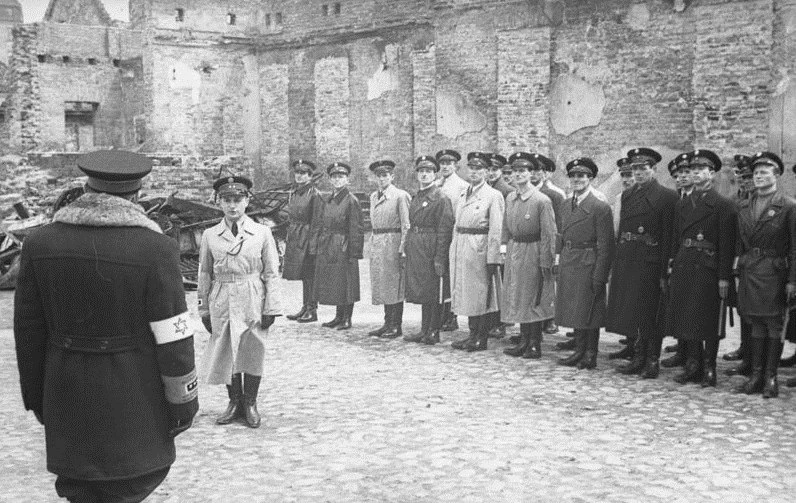
Czerniaków — the Warsaw ghetto sealed
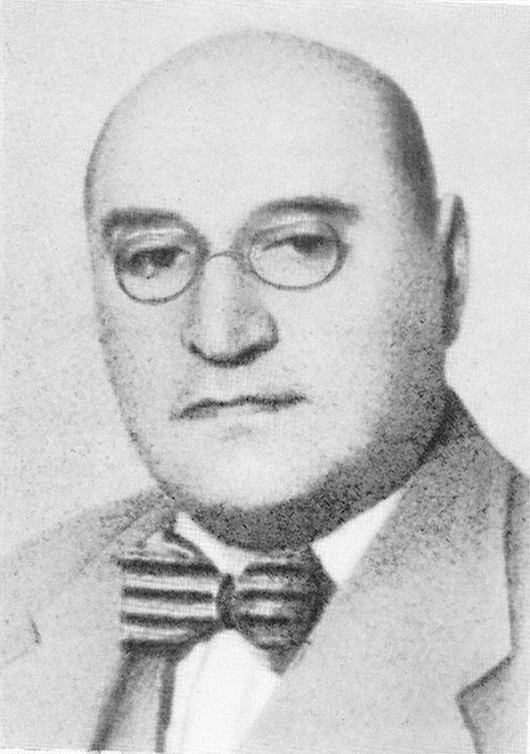
Czerniaków — the offer of the Judenrat
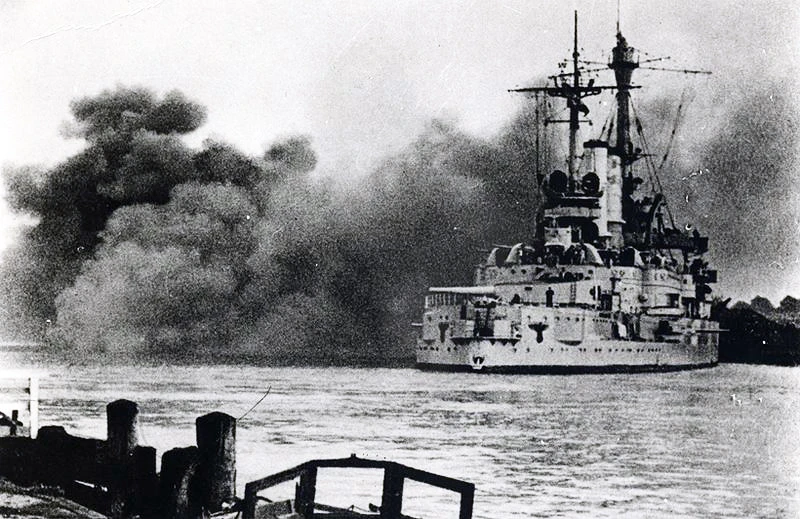
Danzig, September 1939 — the policeman of the Free City
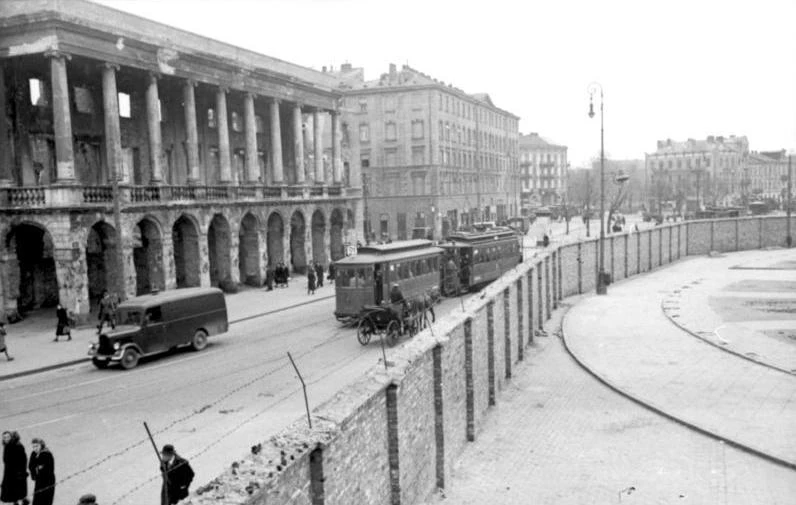
Studying in the Warsaw Ghetto
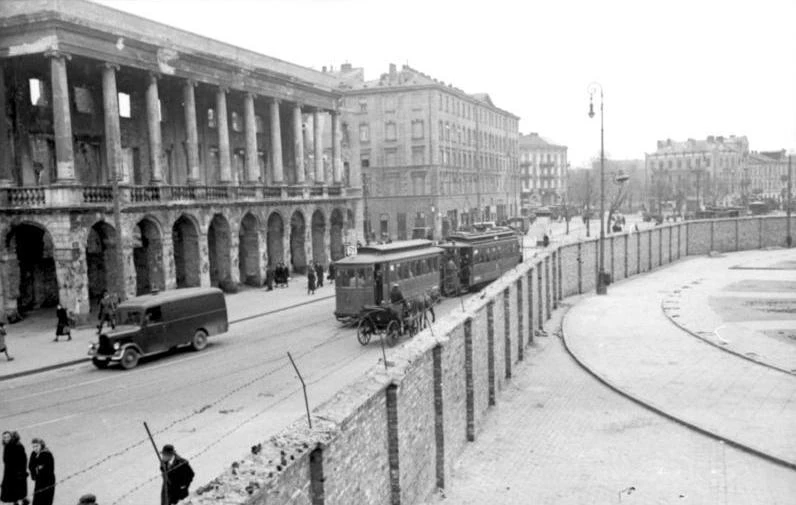
Clandestine teaching in the Warsaw Ghetto
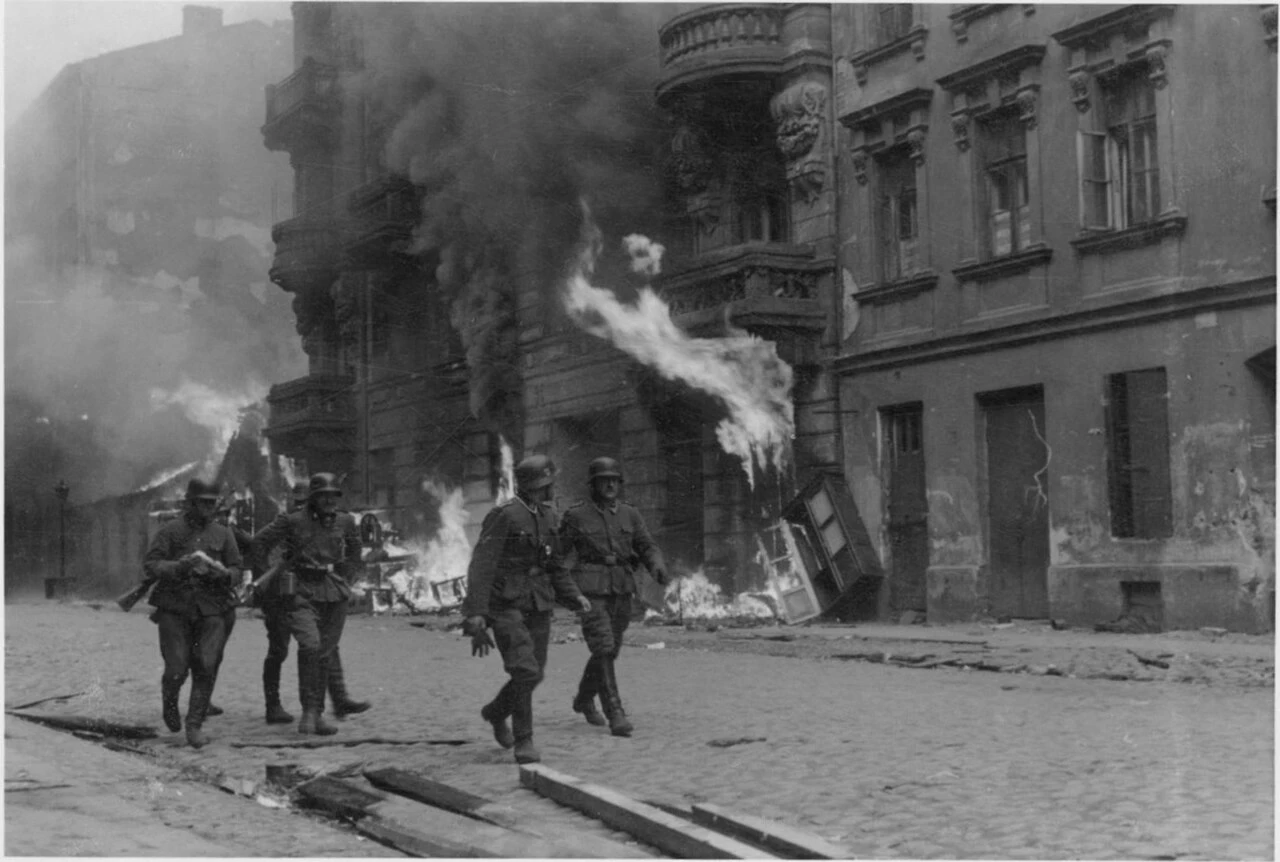
The Jewish Schoolteacher of Kazimierz
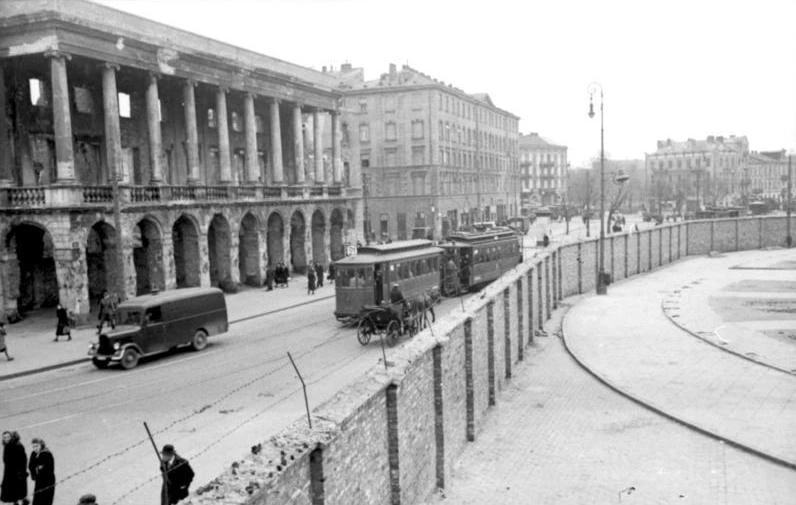
The Warsaw Ghetto — the temptation of informing
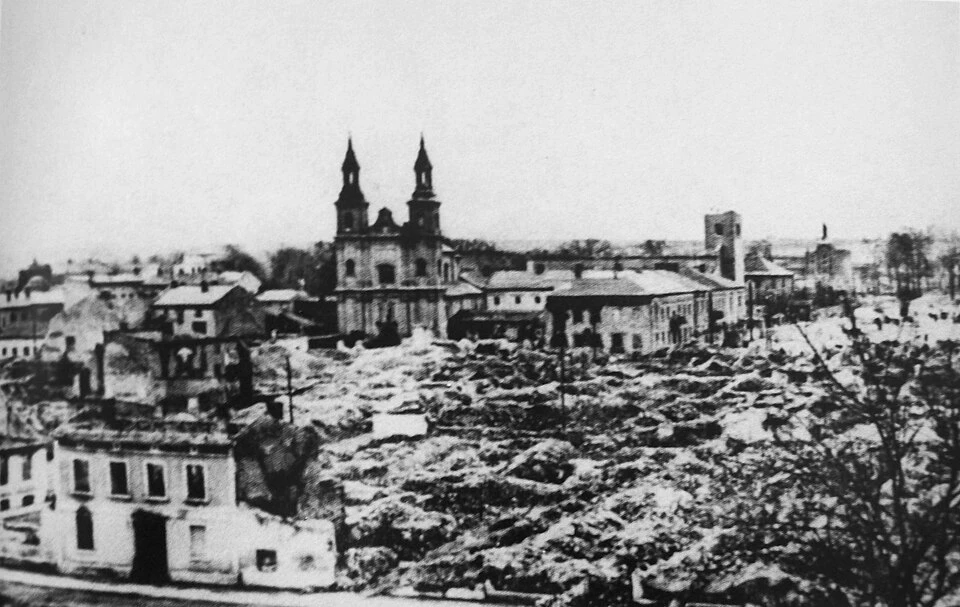
Wieluń at 04:40 — the first air strike
Warsaw Under Siege — Operating Without Morphine
Wieluń, 4:40 a.m. — the first bomb of the war
Czerniaków — the Warsaw ghetto sealed
Czerniaków — the offer of the Judenrat
Danzig, September 1939 — the policeman of the Free City
Studying in the Warsaw Ghetto
Clandestine teaching in the Warsaw Ghetto
The Jewish Schoolteacher of Kazimierz
The Warsaw Ghetto — the temptation of informing
Wieluń at 04:40 — the first air strike
Warsaw Under Siege — Operating Without Morphine