
Peng Dehuai — the Hundred Regiments Offensive
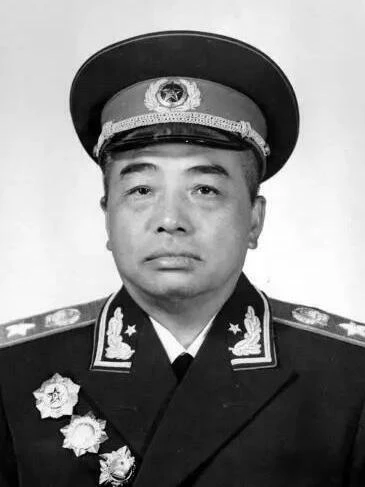
Since 1937, Japan has been occupying the cities and the main routes of northern China, where 's Communists wage a rural guerrilla war. In the summer of 1940, General , deputy commander of the , launches the largest Communist offensive of the war: the Hundred Regiments Offensive. Its first phase has successfully struck Japanese railways, bridges, mines and lines of communication, disrupting the occupation.
Success is intoxicating. The has shown it could coordinate tens of thousands of men and, in places, hold its own against Japanese garrisons. But this visibility comes at a cost: it reveals the true extent of the Communist forces, hitherto concealed, and prompts Japanese detachments to return to thinly held areas.
Peng must choose what comes next. To continue by moving on to frontal assaults against Japanese blockhouses and strongholds would tip the guerrilla war into a costly positional struggle; returning to harassment would preserve his forces but lose momentum. Another consideration weighs in: Mao, anxious to husband Communist potential for the postwar, looks with suspicion on so exposed an offensive.
Should Peng Dehuai intensify the offensive or return to a guerrilla war of attrition?
Peng opts for A and broadens the offensive to Japanese strongpoints. The first months are spectacular, but the Japanese retaliate with a reprisal campaign of extreme brutality — the "Three Alls" policy (kill all, burn all, loot all) — that devastates the Communist bases and causes enormous civilian losses. The Hundred Regiments Offensive, ending in late 1940, will have proven Communist combativeness but at a very heavy price. Mao will later reproach Peng for having too exposed his forces and revealed his strength; this grievance will resurface in the purges of later decades. The episode illustrates the strategic tensions within the Chinese resistance, torn between striking the occupier and preserving its means.
Learn more about this event
Related polls
10
Peng Dehuai — leaving guerrilla war behind?
Wavell Against the 150,000 Italians — Egypt, September 1940
Platt before Kassala — January 1941
Crusader: The Generals' Doubt
Changsha 1941: Xue Yue Faces the Japanese Offensive
"Cromwell" — England, 7 September 1940
Arras — the Matildas against Rommel's flank

Cunningham toward Mogadishu
De Gaulle at Abbeville
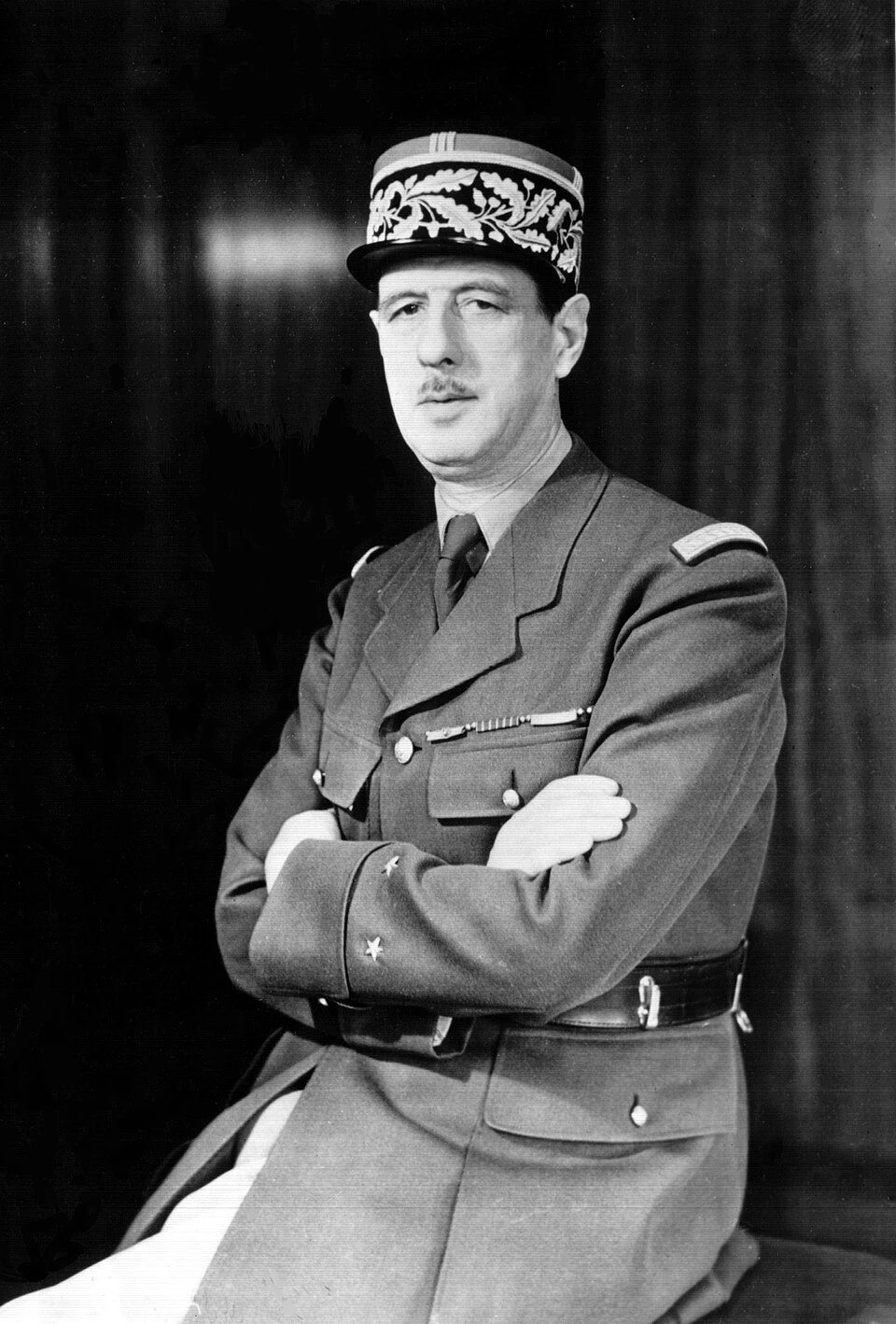
De Gaulle at Montcornet — 17 May
Peng Dehuai — leaving guerrilla war behind?
Wavell Against the 150,000 Italians — Egypt, September 1940
Platt before Kassala — January 1941
Crusader: The Generals' Doubt
Changsha 1941: Xue Yue Faces the Japanese Offensive
"Cromwell" — England, 7 September 1940
Arras — the Matildas against Rommel's flank
Cunningham toward Mogadishu
De Gaulle at Abbeville