
Koh Chang — the Franco-Thai War
France's defeat has whetted the appetites of her neighbors in Asia. Marshal Phibun's Thailand, encouraged by Japan, demands the return of Laotian and Cambodian territories once ceded to French Indochina and, in late 1940, attacks those frontiers. Admiral Decoux, isolated Governor-General and cut off from any reinforcement, has only meager means against a Thai army and air force superior on the ground.
One asset remains: at sea, the small French squadron is the better trained. Capitaine de vaisseau Bérenger has the old cruiser Lamotte-Picquet and a few sloops. Intelligence reports a concentration of the Thai fleet — including two modern coastal defense ships — anchored near the island of Koh Chang, in the Gulf of Thailand.
Bérenger must decide what stance to take: risk an offensive raid against a fleet at anchor, with an old ship and no support, to restore morale and slow the adversary; stay on the defensive to cover Saigon; or wait for instructions from a distant and powerless Vichy. Boldness might offset the general French weakness in Indochina.
Should Bérenger launch a raid against the Thai fleet at Koh Chang?
Bérenger chose A. At dawn on 17 January 1941 the Lamotte-Picquet and her sloops surprised the Thai fleet off Koh Chang: in an hour's action they sank or disabled several ships, including two coastal defense vessels and a torpedo boat, without suffering any serious loss. It was a clear French naval victory — one of the few of the period — but it changed nothing in the land balance. Above all, Japan at once imposed itself as 'mediator': in May 1941 it dictated a treaty forcing Vichy Indochina to cede Laotian and Cambodian territories to Thailand. Koh Chang illustrates the paradox of Indochina in 1940-1941: a tactical victory without strategic effect, in a space now under Tokyo's sway.
Learn more about this event
Related polls
10
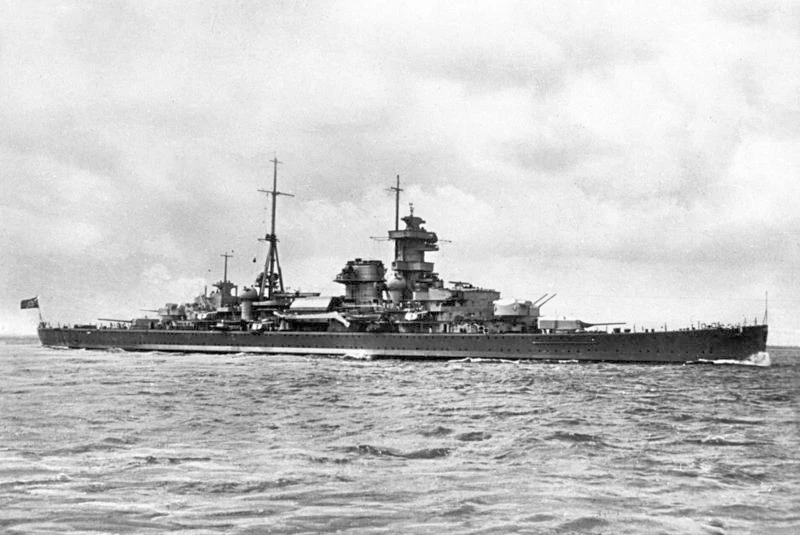
An unescorted convoy in the grey morning
Striking the neighbouring fleet to break the incursions
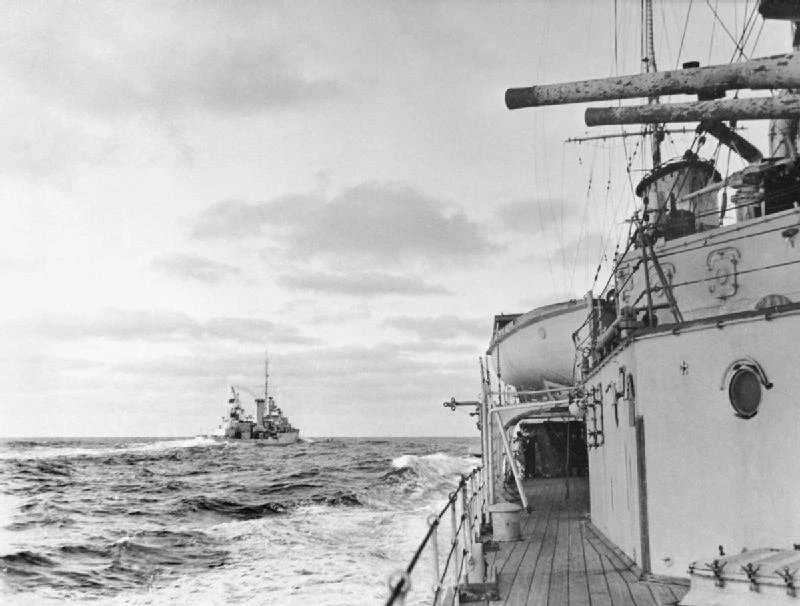
Harwood against the Graf Spee
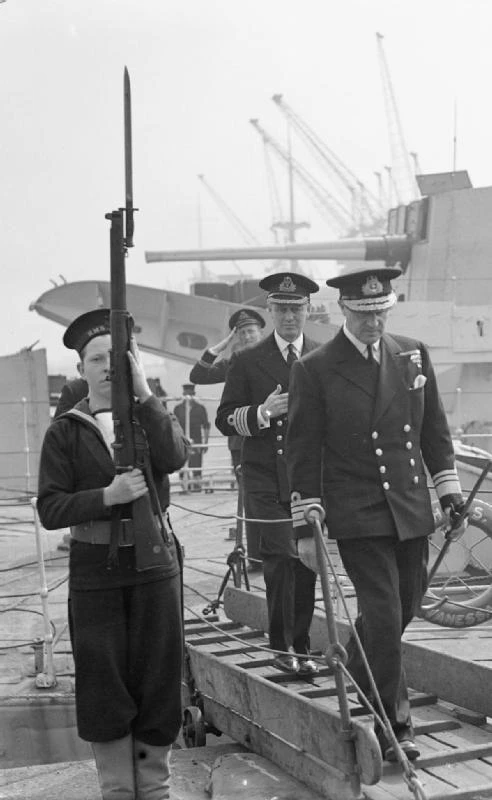
Whitworth and the Warspite — 13 April
The Greeks at the Klisura Pass
Mackay before Tobruk — the assault
An escort battleship on the convoy's route
The Regia Marina against Force H — Cape Spartivento

Force H — a raid in Italian waters
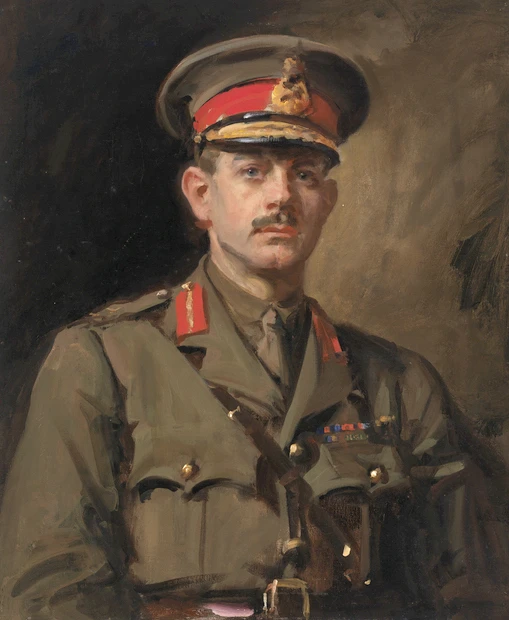
Mackay and the Australians at Bardia
An unescorted convoy in the grey morning
Striking the neighbouring fleet to break the incursions
Harwood against the Graf Spee
Whitworth and the Warspite — 13 April
The Greeks at the Klisura Pass
Mackay before Tobruk — the assault
An escort battleship on the convoy's route
The Regia Marina against Force H — Cape Spartivento
Force H — a raid in Italian waters