
Narvik — too senior an admiral
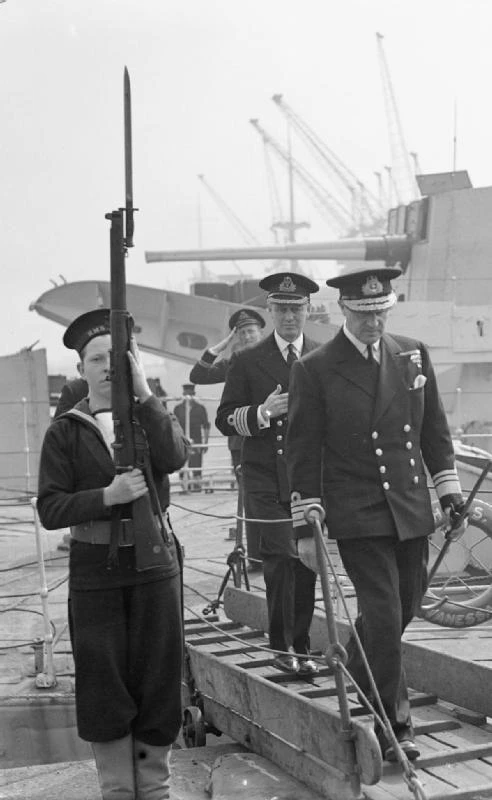
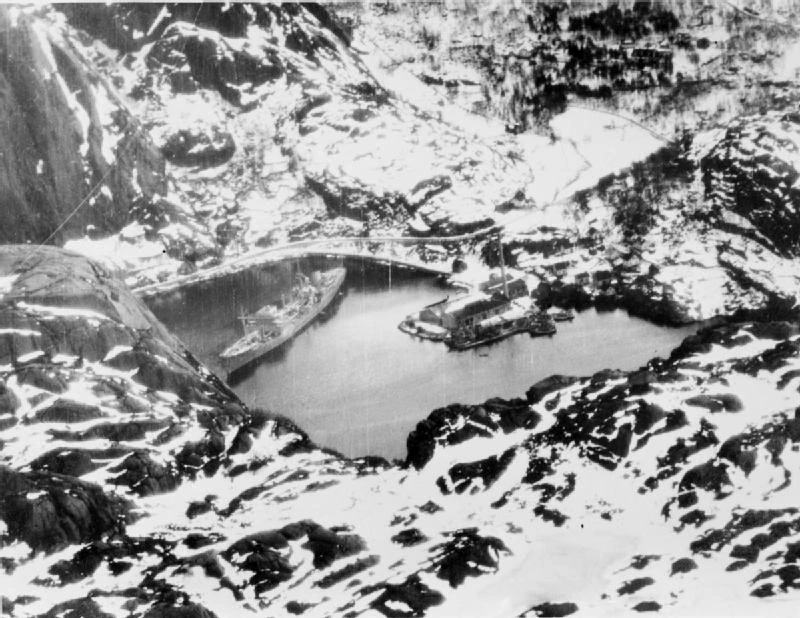
The Admiral of the Fleet Lord Cork and Orrery, a veteran recalled to active service by , commands in late April 1940 the Allied forces charged with retaking Narvik, the port of Norway's far north. Narvik is the central stake: it is through it that, in winter, transits the Swedish iron ore from Gällivare on which German war industry depends. The German general holds the place with his mountain troops and sailors rescued from the destroyers sunk in the fjord.
In the sector, the Allies have assets: nearly total naval supremacy, out of reach of most German aviation, and the support of the , the only one fully mobilised. But the command is badly arranged. Lord Cork has seniority over the admiral commanding the Home Fleet and over the land commanders, paralysing coordination: his peers hesitate to impose their views on a more senior officer. Churchill and the staff have not clarified the chain of command.
On 27 April 1940, Lord Cork wants to force the decision. He must choose how to break Dietl's resistance, while the cold, snow and absence of unified command complicate everything.
Will you bombard Narvik to force surrender, or wait for a true coordinated land-sea command?
Lord Cork tried A. On 27 April 1940, he had Narvik bombarded by the battleship Warspite, a heavy cruiser and three light cruisers, hoping Dietl's garrison would surrender under the fire. The operation failed: the Germans, entrenched in the snow and on the heights, held firm. The seniority problem and the absence of unified command continued to gum up Allied operations in the sector. Narvik would finally be retaken by the Allies at the end of May 1940 — the first great city reconquered from the Axis — but would be at once re-evacuated, the French collapse making the Norwegian theatre secondary. The episode has remained the textbook example of the ravages of a badly defined chain of command, where rank takes precedence over efficiency.
Learn more about this event
Related polls
10
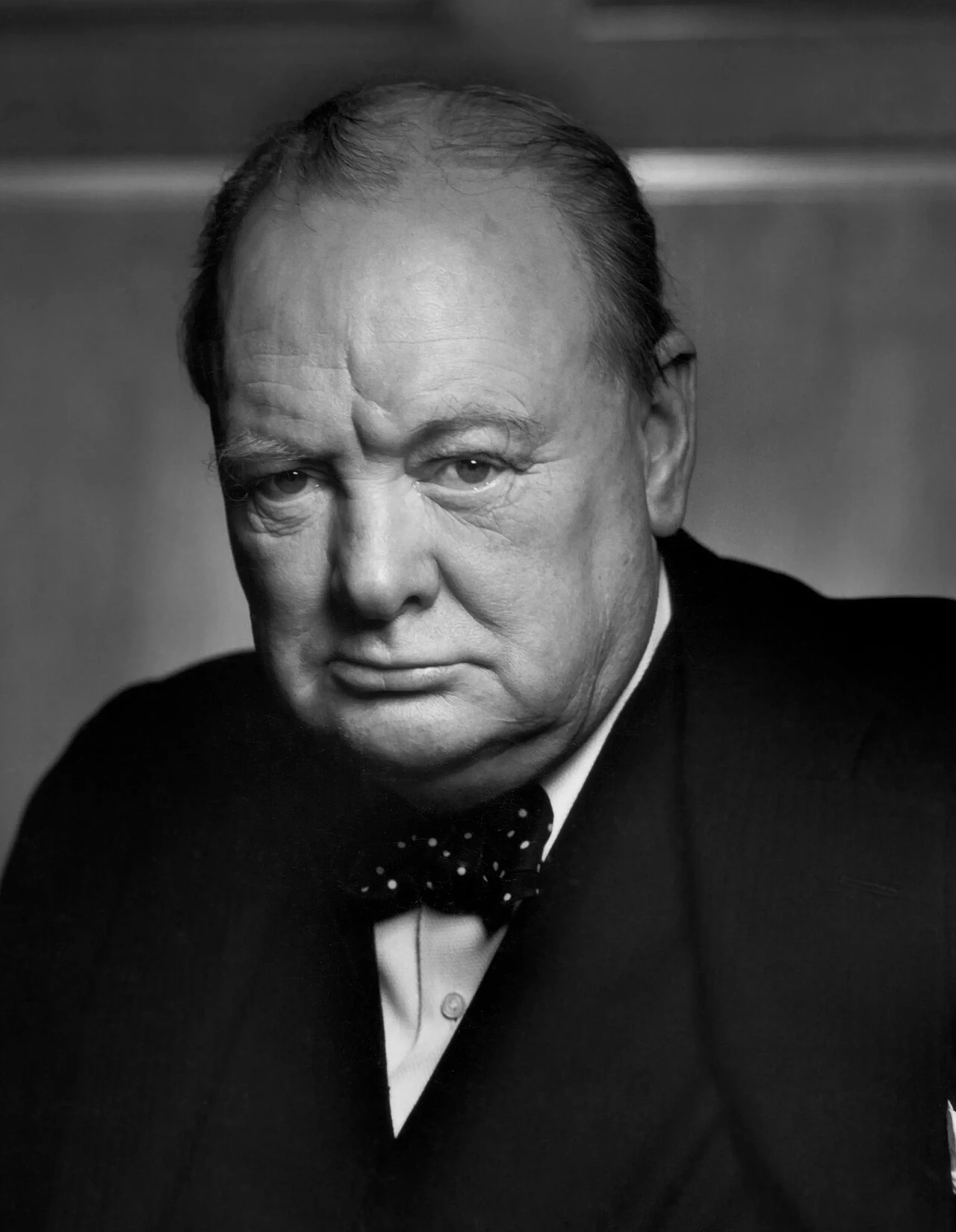
The Cabinet and Operation Catapult — 1 July
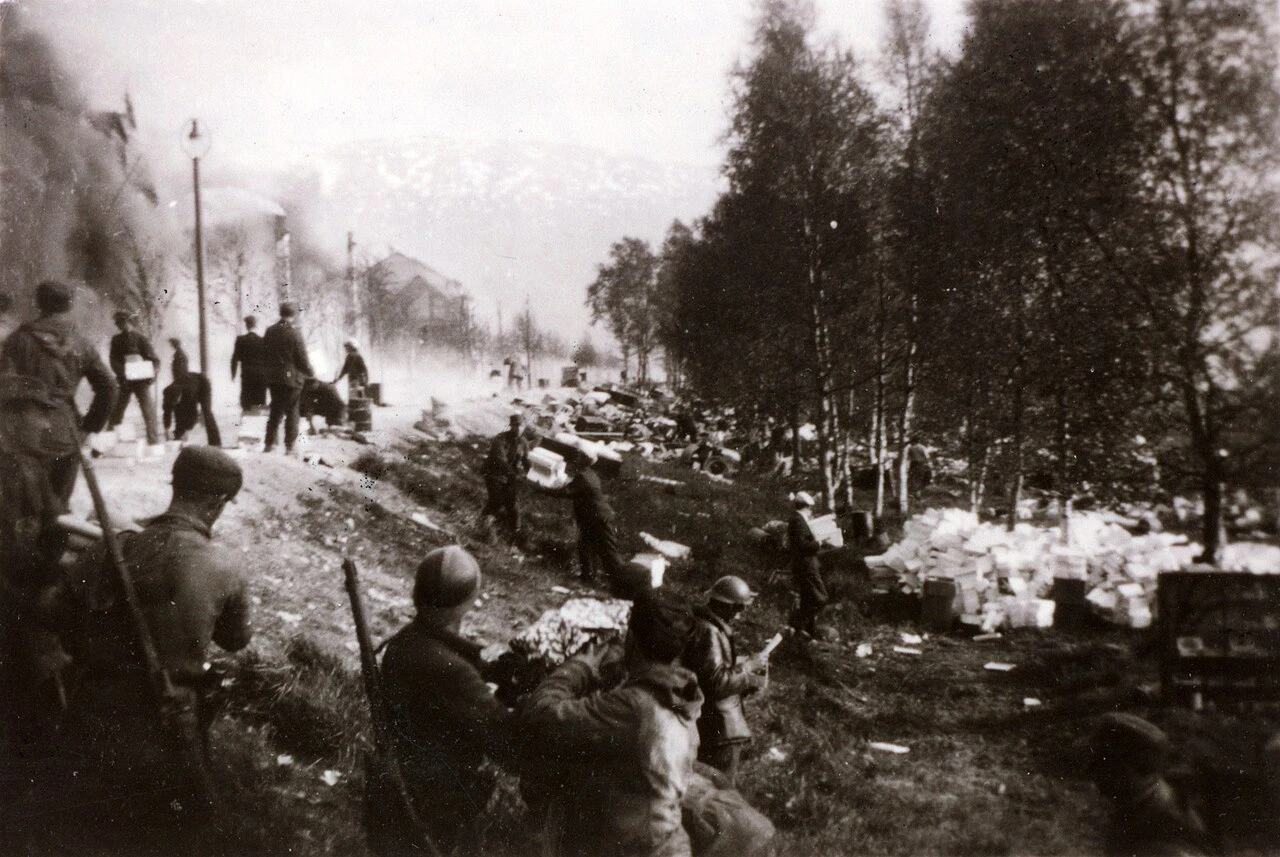
Narvik — the Allied withdrawal
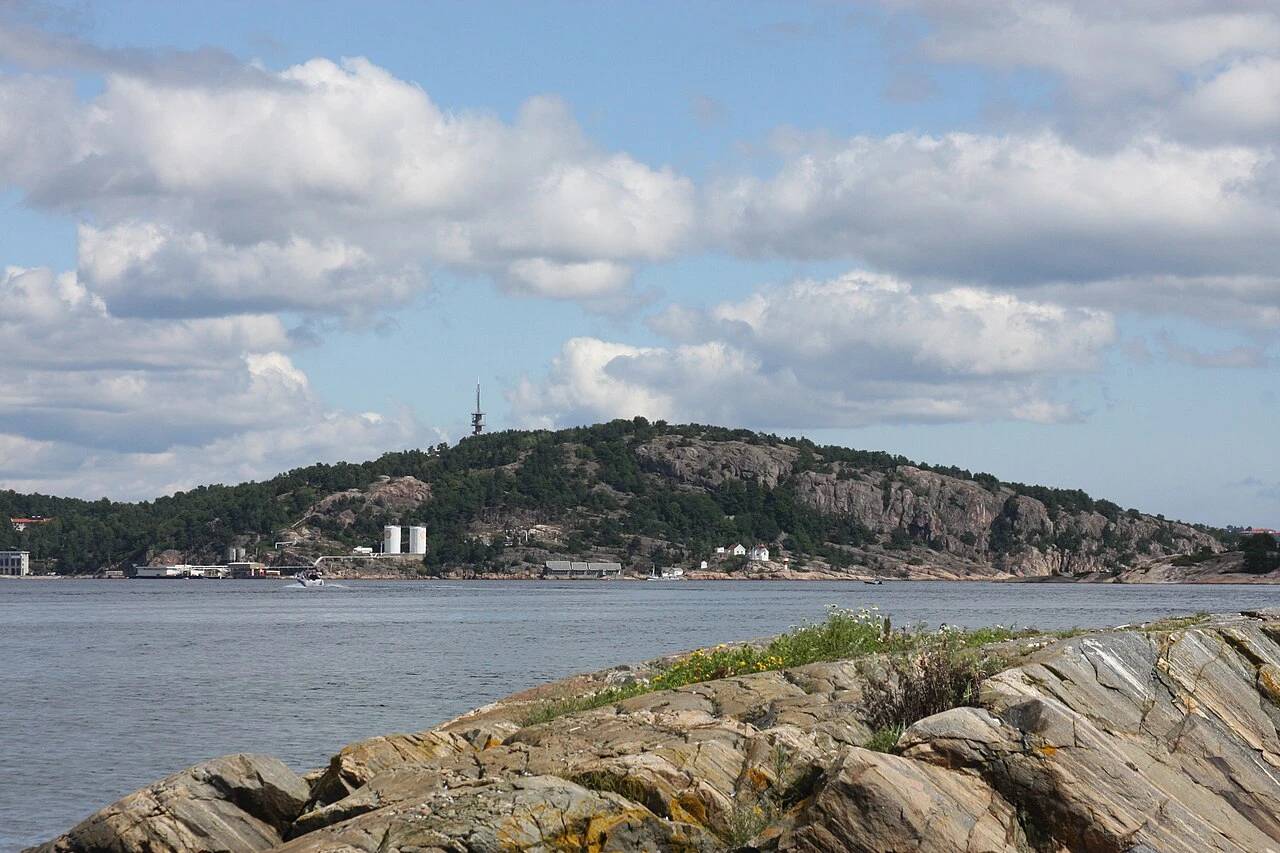
Odderoya — an identity in the mist
Oscarsborg — the intruder in the Oslofjord
Whitworth and the Warspite — 13 April
The Altmark affair
Boulogne — Fox-Pitt and the Guards facing the port
The French navy disperses
Rethondes — Article 8 on the Fleet
Touchon on the Aisne — Fall Rot
The Cabinet and Operation Catapult — 1 July
Narvik — the Allied withdrawal
Odderoya — an identity in the mist
Oscarsborg — the intruder in the Oslofjord
Whitworth and the Warspite — 13 April
The Altmark affair
Boulogne — Fox-Pitt and the Guards facing the port
The French navy disperses
Rethondes — Article 8 on the Fleet